Contents (14 sections)
Finding your unique style as an artist can be one of the most fulfilling journeys in your creative life. In a saturated market, where trends come and go, establishing a distinct artistic identity can set you apart. This article provides ten essential tips for new artists looking to develop their unique style. Throughout this guide, we will explore various strategies that can help you refine your artistic voice and express your creativity authentically.
1. Explore Diverse Mediums
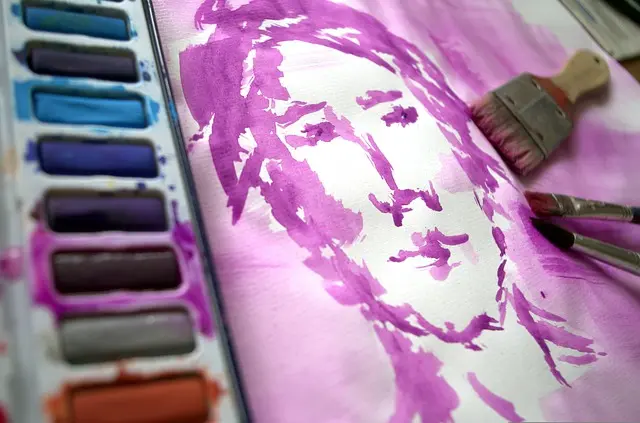
Before settling on a specific style, experiment with multiple artistic mediums. Painting, digital art, sculpture, and mixed media can all offer unique insights and techniques that can influence your style. For instance, an artist who predominantly paints might discover that they enjoy the instant gratification of digital art apps, leading them to incorporate digital elements into their traditional works. Exploring various approaches not only enhances your skill set but also broadens your creative perspective.
2. Study Influential Artists
Understanding the influence of established artists can provide you with inspiration and direction. Spend time studying different artistic movements and notable figures within these spheres. Take the time to analyse what you admire in their work. For example, consider how Van Gogh's brushwork evokes emotion, or how Picasso's use of colour alters perception. By breaking down these elements, you can identify aspects that resonate with you and integrate them into your growing style.
3. Maintain an Art Journal
Document your artistic processes, sketches, and thoughts in an art journal. This practice allows you to reflect on your progression and understand the ideas that inspire you. You might discover patterns or recurring themes over time. For instance, a series of sketches of urban landscapes could hint at a burgeoning interest in city life, prompting you to develop that theme further. An art journal also serves as a personal archive of your evolution, showcasing your unique journey.
4. Embrace Your Environment
Your surroundings can significantly influence your artistic development. Pay attention to the colours, textures, and moods in your immediate environment. For example, an artist living in a bustling city might be drawn to vibrant cityscapes or the dynamic interplay of light and shadow. Engaging with your environment can offer fresh perspectives, helping you to create works that feel authentic and deeply personal.
5. Attend Workshops and Classes
Participating in workshops can introduce you to new techniques and concepts that you may not encounter in self-directed learning. Workshops hosted by professional artists or institutions can provide valuable feedback on your work, allowing you to refine your style further. For example, learning about abstract techniques might inspire you to incorporate geometric patterns in your artwork, thus contributing to your unique aesthetic.
6. Develop a Signature Technique
Identifying and honing a signature technique can help solidify your distinct style. This might be a specific brushstroke, a unique use of colour, or even a particular subject matter you often depict. For example, Frida Kahlo is known for her distinctive self-portraits that blend symbolism and personal narrative. A signature technique can become your hallmark and resonate with your audience, creating a connection through your artistic identity.
7. Collaborate with Other Artists
Collaborations can be enlightening and may lead to the emergence of new ideas for your individual style. Working with fellow creatives allows for the blending of skill sets and perspectives, pushing artistic boundaries. For example, a collaboration between a painter and a photographer might lead to a series of mixed-media works that combine both artists' strengths, enriching both styles in the process.
8. Seek Constructive Criticism
Feedback from peers and mentors can be invaluable in your artistic journey. Constructive criticism helps you identify strengths and areas for improvement. Participating in critique sessions or sharing your work online can present opportunities for growth. Feedback can often illuminate aspects of your work that resonate with others, guiding you toward what might become central to your unique artistic voice.
9. Analyse Trends, But Stay Authentic
While it can be tempting to follow the latest trends, staying true to yourself is crucial. Trends come and go, but authenticity can forge lasting connections with your audience. Instead of imitating popular styles, incorporate elements of current trends in ways that align with your vision. Strive for a balance where you can remain relevant yet personal.
10. Embrace Imperfection
Finally, don't shy away from imperfection. Embracing flaws and uncertainties in your work can lead to unexpected discoveries and unique expressions. Artists like Jean-Michel Basquiat achieved remarkable recognition by integrating a raw, unrefined quality in their work, showcasing that beauty often lies in the imperfect. Accepting imperfection encourages innovation and often becomes a pivotal element of your unique style.
📺 For further exploration:
Watch "How Some Artists Develop Their Unique Style" on YouTube to see practical examples and insightful tips.
Checklist for Developing Your Unique Style
- [ ] Explore at least three different artistic mediums
- [ ] Study at least five influential artists
- [ ] Maintain a regular art journal
- [ ] Engage with your environment creatively
- [ ] Attend workshops to learn new techniques
- [ ] Develop and practice a signature technique
- [ ] Collaborate with fellow artists
- [ ] Seek constructive feedback on your work
- [ ] Stay authentic amidst trends
- [ ] Embrace imperfections in your creative process
Glossary
| Term | Definition |
|---|---|
| Signature Technique | A distinctive method or style unique to an artist's work. |
| Constructive Criticism | Positive feedback aimed to improve someone's work. |
| Mixed Media | The combination of different artistic mediums in one artwork. |
---
📺 Pour aller plus loin : Develop your own artistic style - acrylic painting - 5 key steps sur YouTube