Contents (13 sections)
Finding and honing a unique artistic style can be an exhilarating yet daunting journey for new artists. In a world overflowing with diverse artistic expressions, defining an individual style not only sets an artist apart but is crucial for personal satisfaction and professional success. This article presents ten essential tips that will guide you on your path to discovering and cultivating your own unique artistic style.
1. Explore Different Mediums
Experimentation is key. Begin your journey by experimenting with various artistic mediums — from painting and drawing to digital art and sculpture. This exploration allows you to discover which materials resonate with you most deeply. For example, if you find joy in the vibrant colours of acrylics, you might gravitate towards them consistently. Studies show that artists who diversify their techniques develop broader perspectives, which can ultimately enhance their originality. By encountering different textures, tools, and materials, you'll be able to identify your preferences and strengths.
2. Draw Inspiration from Nature
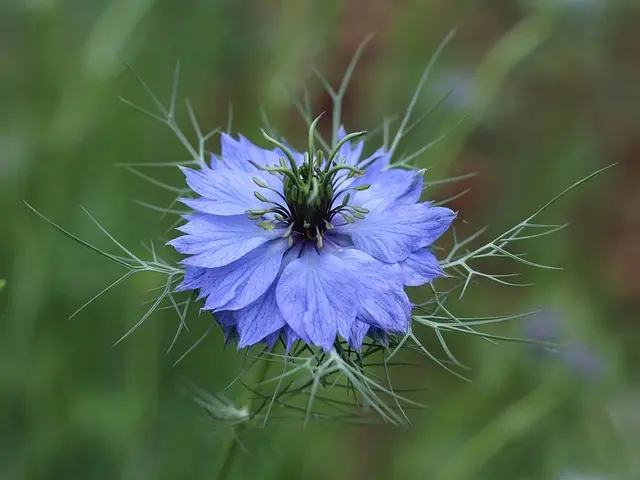
Connecting with nature can greatly influence your artistic style. Take a walk in the park, visit botanical gardens, or simply observe the colours and shapes around you. Nature is rich with intricate details and colour schemes that can inspire your artwork deeply. Try recreating what you see or translating it into your own style by adjusting colours or forms. Incorporating natural elements into your art can invoke a sense of vitality and authenticity, as many celebrated artists have done throughout history.


Ivy Bronx Rachna 5-head 60cm LED Integrated Semi Flush Mount Ceiling Light Black 8cm H X 60cm W X 60cm D
wayfair.co.uk
3. Maintain a Sketchbook
A sketchbook is an artist's best friend. Consistently drawing and jotting down ideas can sharpen your skills and help externalise your thoughts. This practice not only serves as a creative outlet but also tracks your artistic evolution. Try to dedicate at least a few minutes each day to sketching. Whether it’s doodles of objects around you, studies of human figures, or abstract forms, this habit contributes significantly to the formation of your unique artistic style. You might even find older sketches can reignite inspiration for future projects.
4. Understand the Importance of Art History
Familiarising yourself with art history allows for a contextual understanding of various artistic styles. Study different movements — from the bold strokes of Impressionism to the emotional depth of Expressionism. Knowing the techniques and philosophies behind past and present artists can inspire and inform your own work. Additionally, you may discover artists with techniques that resonate with you and influence your style. Art historical knowledge provides a foundation that can help you innovate within existing paradigms while developing a distinctive flair.
5. Embrace Your Unique Personality
Your artistic style should be a reflection of who you are. Embrace your experiences, emotions, and perspectives. Consider journals or personal essays as a guide for expressing concepts that matter to you. The best artwork often arises from genuine emotional expression or commentary on personal experiences. By remaining true to yourself, your artwork will naturally exhibit characteristics that make it uniquely yours, resonating with viewers on a personal level.
6. Influence of Current Trends
While developing a unique artistic style, don’t shy away from contemporary trends. Explore what’s popular in the art world today. Sometimes, blending current trends with your personal aesthetic can lead to an innovative, hybrid style. Stay updated by following art journals, social media trends, or exhibitions. However, tread carefully; whilst trends can provide insights and inspiration, rely less on them for originality and focus more on integrating your identity into your art.


7. Weekly Challenges
Participating in art challenges is a fun and effective way to push your creative boundaries. Many communities host themed challenges that encourage participants to create a piece within a particular timeframe. These challenges can promote experimentation with styles and ideas outside your comfort zone, helping to hone your unique approach. Challenges teach valuable lessons in discipline and innovation, as you'll need to think quickly and creatively to meet deadlines.
8. Seek Constructive Feedback
Feedback from peers, mentors, or online art communities is invaluable. Engaging with other artists can provide perspectives that may enhance your approach to your work. Be open to criticism and question how it may impact your artistic style. Remember, constructive feedback helps you view your art through a new lens, potentially revealing strengths or encouraging you to refine certain elements. Remember to identify feedback that resonates with your vision, using it to bolster your unique style rather than detract from it.
9. Create a Signature Technique
Developing a signature technique can set you apart from other artists and create memorability in your work. This could mean utilising a particular brushstroke, a unique way of layering colours, or a specific composition style. Whatever it may be, aim for consistency in certain elements that can relate various pieces of your artwork to one another without losing originality. Consider the likes of Banksy or Van Gogh, who are recognised for their distinct approaches.
10. Keep an Open Mind
As you evolve, so may your artistic style. Regularly re-evaluate your tastes and practices; embrace change rather than fear it. Continuously learn from new experiences and stay curious about different aspects of the art world. This openness not only fosters growth but also keeps your art feeling fresh and innovative. Your artistic style is not a fixed trait but rather a continuous journey, evolving alongside you.
Glossary
| Terme | Définition |
|---|
| Artistic Style | The distinct characteristics and techniques that define an artist's work.
| Medium | The materials used to create art, such as paint, ink, or digital tools.
| Sketchbook | A book of paper for drawing, used for practice or recording ideas.
Checklist before your art adventure
- [ ] Explore different artistic mediums
- [ ] Connect with nature for inspiration
- [ ] Maintain a daily sketchbook
- [ ] Study art history
- [ ] Embrace personal experiences
- [ ] Stay updated on trends
- [ ] Participate in art challenges
- [ ] Seek feedback from others
- [ ] Develop your signature technique
- [ ] Keep an open mind about artistic growth
🧠 Quiz rapide : What is essential for defining your unique artistic style?
- A) Copying famous artists
- B) Personal experiences and experimentation
- C) Following the latest trends
Réponse : B — Your unique voice comes from your journey and exploration in art.
📺 Pour aller plus loin : Discovering Your Artistic Style, an in-depth guide to developing your uniqueness as an artist. Search on YouTube: "develop unique artistic style 2026".
📺 Pour aller plus loin : develop unique artistic style 2026 sur YouTube
Recommended products
Selected by our experts


2019 New Arrivals Unique Slim Soft Protective Anti-Shock Real Wood Case for iPhone XS Max
Alibaba UK