Contents (13 sections)
Understanding Unique Artistic Style
Defining a unique artistic style is essential for any emerging artist looking to make a mark in the creative world. It is not just a visual representation; it embodies your thoughts, experiences, and emotions. According to art experts, a distinctive style can be developed through a combination of experimentation, observation, and self-reflection. This is why it is crucial to start by understanding what makes your perspective different from others. Ask yourself: what themes resonate with you? What stories do you want your art to tell? Reflecting on these questions can help forge a clear path toward developing a uniquely personal style that stands out among your peers.
Exploring Different Mediums
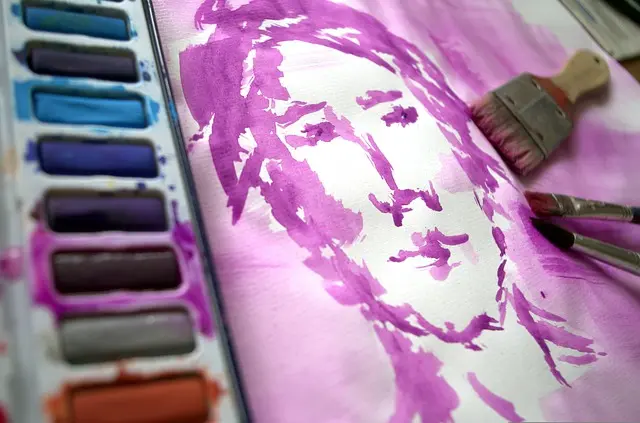
One of the most effective ways to discover your unique artistic style is by exploring various mediums. Whether it's painting, sculpture, digital art, or mixed media, each medium offers different expressive capabilities. For instance, digital artists often use software like Adobe Photoshop or Procreate, while traditional artists might rely on oils, acrylics, or watercolours. Try dedicating a month to each medium. This will not only diversify your skill set but also help you identify which medium best expresses your creative vision. Additionally, consider engaging in workshops to learn from professionals and gather insights on different techniques.
Building a Visual Library
Creating a visual library is an invaluable resource for any artist. This can be a physical scrapbook or a digital collection of images, sketches, or textures that inspire you. Collect pieces from various genres, time periods, and artists to get a sense of what has been done and what resonates with you. When categorising your visuals, think about motifs, patterns, and colour palettes that attract you. This aids in cultivating your style, guiding you in combining influences into something uniquely your own.
Experimenting with Techniques
To develop a unique artistic style, experimentation is key. Try mixing techniques and styles from different artists you admire or even from various art movements. For example, if you enjoy the expressive brushwork of Impressionism, consider integrating it with the precision of Realism. This interplay can yield unexpected and novel artistic outcomes. It's advisable to dedicate time each week to experimentation without the pressure of creating a final product. This enjoyable process can yield surprising insights into your capabilities and preferences that contribute to your unique style.
Seeking Feedback
Feedback is a critical component in an artist's development. Engaging with other artists, teachers, or mentors can provide perspectives that you might overlook. Constructive criticism helps you refine your work and encourages you to push your artistic boundaries. Platforms like Instagram and Behance can be great places for sharing your work and receiving feedback from a wider audience. Remember, while feedback is important, ensure you stay true to your vision; not every suggestion needs to be incorporated into your work.
Documenting Your Progress
Keeping track of your artistic journey is beneficial not only for personal reflection but also for identifying the evolution of your unique artistic style. Maintain a sketchbook or digital portfolio to document your processes, thoughts, and variations of your work over time. Not only does this record help in seeing how far you've come, but it can also highlight patterns in your artistic choices. Artists such as Frida Kahlo and Vincent van Gogh were known to have kept records of their creative processes, providing insight into their artistic choices.
Staying Inspired
Every artist faces periods of inspiration drought, but maintaining a flow of creativity is essential. To combat this, routinely expose yourself to new ideas and different art forms. Attend art shows, visit galleries, or explore nature. Sometimes inspiration comes from unexpected places. For instance, listening to music can evoke emotions that can translate into your artwork. Additionally, platforms like Pinterest and Instagram can provide a constant influx of creativity from various artists around the world. Curating your feeds to include artists who inspire you can help you stay engaged with your own creative processes.
Defining Your Artistic Voice
Defining your artistic voice is an ongoing journey. It involves understanding the themes and concepts that matter most to you. Consider the message or feeling you want to convey through your work. Reflect upon past projects—what unites them? You might find common threads in your subject matter or technique that resonate with your values. As you refine your voice, ensure it’s a true representation of who you are as an artist. Invite friends and peers who know you well to offer insights into what they perceive as your voice.
Creating a Cohesive Portfolio
A cohesive portfolio is vital when presenting your work, especially for exhibitions or galleries. Aim for a selection of pieces that reflect your unique artistic style. This will not only demonstrate your skills but also provide insight into your artistic journey. Focus on works that showcase your signature techniques and themes. Ensure that your portfolio has a consistent visual narrative, allowing viewers to gain a comprehensive understanding of your work’s evolution.
Networking with Other Artists
Building relationships with other artists can open doors and provide you with valuable insights into the industry. Attend local art events, exhibitions, or art fairs to meet like-minded individuals—these connections can lead to collaborative opportunities and stimulate creative growth. Online platforms like LinkedIn or Facebook groups dedicated to artists can also foster connections that contribute towards refining your unique style by sharing resources, tips, and critiques.
Checklist Before Kickstarting Your Artistic Journey
- [ ] Identify your influences and inspirations
- [ ] Explore various artistic mediums
- [ ] Build a visual library for reference
- [ ] Dedicate time for artistic experimentation
- [ ] Seek and embrace constructive feedback
- [ ] Document your artistic progress weekly
- [ ] Stay engaged with fresh ideas and inspirations
- [ ] Define your artistic voice clearly
- [ ] Create a cohesive portfolio of your best work
- [ ] Network actively with other artists
Glossary
| Term | Definition |
|---|---|
| Artistic Style | A distinctive manner of expression in art, defined by techniques, subject matter, and emotional approach. |
| Visual Library | A collection of images, sketches, or pieces that inspire and inform an artist's work. |
| Artistic Voice | The unique point of view or perspective conveyed through an artist's works, encompassing themes and styles. |
> 💡 Expert Insight: In my experience, the path to defining your unique artistic style requires openness and patience. Over time, consistency and a willingness to evolve are key.
📺 For further exploration: Discover how to enhance your artistic practices by searching for videos on YouTube:
developing unique artistic style for beginners.
📺 Pour aller plus loin : developing unique artistic style for beginners sur YouTube