Contents (9 sections)
Navigating the early steps of your artistic journey can be an exhilarating yet daunting experience. Whether you are contemplating taking your first strokes on canvas or diving into digital media, setting a solid foundation is crucial. This guide aims to equip you with the necessary insights and tools to ensure your journey is both enriching and sustainable.
1. Understanding Your Motivation
Before embarking on your journey, it is essential to understand what drives you towards art. Are you motivated by a desire for self-expression, the hope of connecting with others, or the aspiration to make a living from your craft? Taking the time to reflect on your motivations can provide clarity and fuel your passion as you move forward. Research indicates that artists with a clear motivational framework tend to stay committed to their craft longer, as they can revisit their reasons during challenging times.
Writing down your motivations can create a personal manifesto, serving as a source of inspiration and guidance. Support from communities and mentors can also enhance your understanding of what you wish to achieve. Remember, art is as much about the journey as it is about the destination.
2. Choosing Your Medium
The next step in your artistic journey is deciding which medium suits your vision and style best. This decision can greatly shape your techniques, influences, and even your artistic identity. Some common media to explore include:
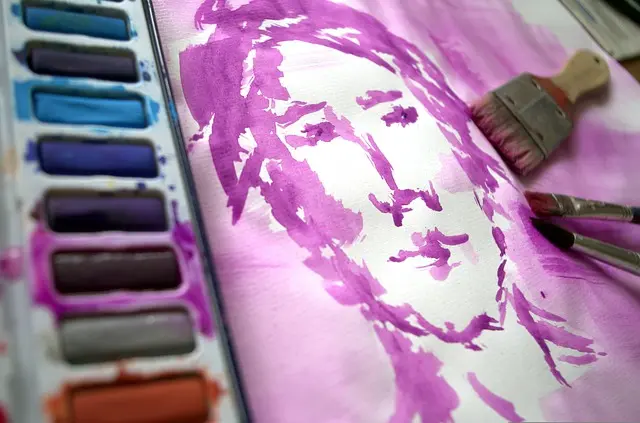
- Painting (oil, acrylic, watercolour): Offers a broad spectrum of expression; consider starting with basic sets to understand the nuances of mixing and layering.
- Drawing (pencil, charcoal, ink): A fundamental skill, ideal for developing observation and composition skills.
- Digital Art: Has become increasingly popular; tools like graphic tablets can revolutionise your approach.
To guide your choice, consider taking a few introductory classes or experimenting with different media before committing. Engaging in community workshops or local art classes can expose you to various techniques and materials. It also allows you to connect with fellow artists who can provide insights and guidance.
💡 Expert Tip: Don’t hesitate to mix mediums; many renowned artists have combined techniques for a unique result.


3. Setting Up Your Creative Space
Creating an inspiring and functional studio space can significantly influence your productivity and creativity. Here are several key considerations:
- Lighting: Natural light is ideal, but ensure you have good artificial light sources for night-time work.
- Storage: Invest in storage solutions that keep your materials organised yet easily accessible.
- Comfort: Your workspace should allow for long hours of creativity; ergonomic furniture can enhance comfort.
Creating an environment that fosters creativity is paramount. Many artists find inspiration in their surroundings, so consider incorporating elements that resonate with you, be they colours, inspirational quotes, or nature. Your space should be a reflection of you, conducive to both focus and exploration.
4. Building Skills through Practice
Skill development is a continuous process in your artistic journey. Dedicate time each week to practice, experimenting with new techniques and styles. Here are effective strategies for skill enhancement:
- Regular Sketching: Daily sketching enhances your observational drawing skills, leading to improved creativity.
- Online Courses: Numerous platforms offer structured courses on different mediums and techniques, allowing you to learn at your own pace.
- Art Challenges: Participate in monthly art challenges on social platforms to keep your motivation high.
Remember, artistry is an evolving skill; mastery comes gradually. Embrace experimentation, and don’t be afraid of making mistakes—they often lead to the best learning opportunities.
5. Networking and Community Engagement
Collaboration and networking are vital aspects of your artistic journey. Engaging with fellow artists can provide support, inspiration, and collaboration opportunities. Consider the following:
- Art Groups: Join local or online art groups to connect with like-minded individuals.
- Exhibitions and Workshops: Attend or participate in art exhibitions and workshops to showcase your work and learn from others.
- Online Platforms: Websites like Instagram or Behance allow for broader visibility and networking with artists globally.
A strong network can open doors to opportunities such as exhibitions, collaborative projects, and potential clients. Building relationships within the art community can also provide vital feedback, encouraging growth and development.
6. Gaining Exposure and Selling Your Work
Once you feel confident in your creations, exploring avenues to gain exposure is the next step. To effectively navigate this:
- Create an Online Portfolio: Showcase your work on a personal website or online platforms. Keep it updated with new pieces.
- Social Media: Use platforms like Instagram to share your journey, processes, and finished works, engaging your audience effectively.
- Art Fairs: Participate in local art fairs or markets to sell your work and connect with potential buyers.
The journey of selling art often involves learning about the business side, including pricing strategies and marketing. Researching and learning from successful artists can provide insight into navigating this aspect professionally.


Glossary
| Term | Definition |
|---|---|
| Artistic Medium | The materials or techniques used by an artist to create their work. |
| Portfolio | A collection of an artist's work, showcasing their skills and style. |
| Networking | Building relationships for professional growth and opportunities in the artistic field. |
Checklist before embarking on your artistic journey
- [ ] Define your artistic motivation.
- [ ] Experiment with different artistic mediums.
- [ ] Set up a dedicated creative workspace.
- [ ] Schedule regular practice sessions.
- [ ] Join art communities for support and feedback.
- [ ] Create an online portfolio and engage on social media.
🧠 Quick Quiz: What is the most important factor in starting your artistic journey?
- A) Choosing a medium
- B) Understanding your motivation
- C) Networking with other artists
Answer: B — Understanding your motivation lays the foundation for your artistic journey.
📺 For further exploration: Discovering Various Art Mediums, a comprehensive analysis of different artistic techniques. Search on YouTube: artistic mediums and their usage.
📺 Pour aller plus loin : artistic mediums and their usage sur YouTube
Recommended products
Selected by our experts