Contents (11 sections)
Starting your journey as an artist can be both thrilling and daunting. With numerous avenues to explore, it's vital to equip yourself with the right skills and knowledge. Here, we present essential tips that will help new artists effectively navigate the art scene and establish their presence, ensuring a fulfilling artistic career.
1. Understand Your Medium
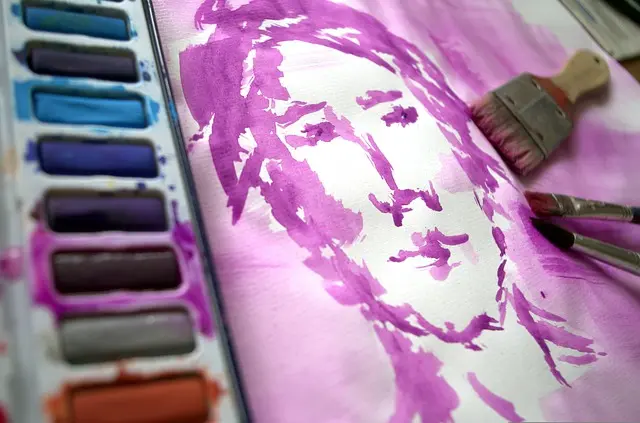
Understanding the medium you wish to work with is fundamental to your growth as an artist. Whether you choose painting, sculpting, or digital art, expertise in your chosen medium will make your work stand out. Take the time to experiment with different tools and materials to find what resonates with you. For example, an oil painter may spend time mastering different brush techniques to develop their unique style.
Moreover, as art evolves, staying updated with trends in your medium can provide fresh perspectives that could enhance your creative expression. Many artists find that continuous learning, through workshops or online tutorials, can significantly boost their ability to innovate and create impactful art.
2. Build Your Brand
Creating an identity as an artist is essential in today's saturated market. Your brand extends beyond just the art you create; it encompasses your personal story, style, and the message you wish to convey through your art.
Start by examining what makes your work unique. Think about your influences, motivations, and what inspires you to create. This self-reflection can help shape your artistic voice. Consistently using social media platforms to showcase your work, sharing insights into your process, and connecting with followers can cultivate a loyal audience.
A distinct and consistent visual theme across your portfolio and social media can further solidify your brand identity, making it easier for potential clients and galleries to recognise your work.
3. Network with Other Artists
In the art world, relationships matter. Networking can open doors to exhibitions, collaborations, and commissions that are crucial for artistic growth. Attend local art events, exhibitions, and workshops where you can meet fellow artists and art enthusiasts.
Consider joining artist collectives or online communities to share experiences, receive feedback, and gain support. Collaborations can also enhance your visibility and introduce you to wider audiences. One successful partnership can turn into multiple opportunities, amplifying your reach and credentials in the industry.
4. Create an Online Presence
In the digital age, an online presence is not an option—it’s a necessity. Building a professional website showcasing your portfolio can serve as your digital shopfront. This platform allows you to display your work, share your story, and provide contact information for inquiries.
Social media can complement your website by engaging followers through regular updates about your work and process. Platforms like Instagram are excellent for visual storytelling, while platforms like TikTok can offer insights into your creative journey. Always remember to engage with your audience through comments and messages; this interaction fosters community, making followers feel valued and more likely to support your work.
5. Seek Constructive Feedback
Receiving feedback can help refine your skills and expand your artistic vision. Seek out mentors, peers, or online platforms where you can share your work and receive constructive criticism. Remember, feedback is a tool for growth, not judgment.
Be open to different perspectives, as they can shed light on aspects of your work you may have overlooked. Joining critique groups or attending workshops where feedback is a key focus can also help you improve your work significantly. Ultimately, the goal is to make your artwork more impactful and resonate with your audience.
6. Stay Authentically Inspired
Artistic blocks happen to all artists. To maintain your motivation, identify what inspires you and actively seek it out. It might be nature, history, or even the works of other artists. To break through creative ruts, engage in diverse activities—visit exhibitions, read, or travel.
Keeping a journal of ideas, sketches, and reflections can serve as a reservoir of inspiration for the future. Whether you're looking for a new subject to explore in your artwork or simply trying to capture a fleeting thought, having a documented source of inspiration at your fingertips is invaluable.
7. Maintain a Professional Attitude
Being a successful artist involves not just creating art but also managing your career like a business. Respond to inquiries promptly, meet deadlines, and be organised in managing your sales and exhibitions. Developing professionalism in your interactions can lead to long-term relationships with galleries, clients, and collaborators.
Additionally, consider investing time in learning about contracts and art laws, as they play a significant role in protecting your work and ensuring fair compensation. A professional approach can set you apart and build a reputation that attracts new opportunities.
8. Showcase Your Work
Participating in local exhibitions or online showcases is crucial in getting seen. Apply to show your artwork in galleries, community centres, or art fairs. Many of these venues provide great visibility and can lead to sales or commissions.
Don't shy away from virtual exhibitions, especially since the pandemic has expanded their prevalence. Create a comprehensive portfolio and submit it to galleries or art competitions. Remember, if your work is not out there, it cannot be appreciated.
Checklist Before You Start
- [ ] Understand your chosen medium.
- [ ] Build and refine your brand identity.
- [ ] Network with other artists and art lovers.
- [ ] Create a professional online presence.
- [ ] Seek and be open to constructive feedback.
- [ ] Maintain a record of inspiration.
- [ ] Develop a professional attitude.
- [ ] Actively showcase your work in exhibitions.
Glossary
| Term | Definition |
|---|---|
| Medium | The materials used to create artwork such as paint, clay, etc. |
| Branding | The process of creating a unique identity or image for your art. |
| Networking | Building relationships with other professionals in the art world. |
> 📺 For further insights: Look for videos about how to establish your artistic career. Search on YouTube:
tips for new artists 2026.
📺 Pour aller plus loin : 10 EASY WAYS to Improve Your Art In 2026 (beginner friendly) sur YouTube
Recommended products
Selected by our experts

Wacom Cintiq 24 Touch graphic tablet Black 5080 lpi 527 x 296 mm USB
Quzo UK
This graphic tablet is essential for digital artists wanting to enhance their skills and create high-quality digital art.

Montana : Gold : 400ml : Mystic Black : Transparent
craftyarts.co.uk
The Montana spray paint is ideal for artists interested in experimenting with street art techniques or large canvas pieces.

Montana : Gold : 400ml : Vanilla : Opaque
craftyarts.co.uk
This versatile makeup course is perfect for artists who want to expand their skills into character design and theatrical makeup.