Contents (16 sections)
In the world of art, collaboration can serve as a powerful catalyst for innovation, creativity, and professional growth. Effective collaboration for artists not only broadens their horizons but also enriches their artistic expression. In this article, we’ll explore essential strategies that artists can employ to collaborate successfully, elevating their creative projects.
What is Collaboration for Artists?
Collaboration for artists involves working together with other creatives to achieve a common goal or a shared vision. This can take many forms, from joint exhibitions and mural projects to music collaborations and community art initiatives. The essence of collaboration lies in cooperation, communication, and the blending of distinct artistic practices to create something greater than the sum of its parts. According to a survey by the Arts Council, 65% of artists reported that collaborations significantly enhanced their creative output, demonstrating the potential benefits.
Understand Your Collaborators
Before you embark on any collaborative project, it is crucial to have a solid understanding of your collaborators. This involves recognising their individual strengths, weaknesses, and artistic styles. Take time to discuss ideas, expectations, and artistic visions before starting. For example, if you are a painter planning to work with a musician, having a shared understanding of how sound influences visual art can lead to a more cohesive piece. Informed collaboration enhances respect and reduces the likelihood of conflict during the creative process.
Set Clear Goals and Expectations
To avoid confusion and miscommunication, artists should establish clear goals and expectations at the beginning of their collaboration. Setting specific, measurable objectives helps keep the project on track. For instance, you might agree on deadlines, roles, and responsibilities – such as who handles marketing, logistics, and production. Establishing these parameters will provide a framework that can guide the partnership and make it more productive.
Embrace Open Communication
Regular communication is the backbone of successful collaboration. Artists should foster an environment where feedback and suggestions are freely exchanged. This openness not only promotes creativity but also builds trust among collaborators. Choose tools that suit your communication style, whether it’s weekly meetings, shared documents, or collaborative platforms like Slack or Trello. For example, during the creation of a public mural, constant dialogue between all artists involved ensures that each person's input is valued and incorporated into the final artwork.
Leverage Each Other's Strengths
Every artist brings unique skills to a collaboration. Effective partnerships harness these strengths to elevate the project. For example, if one artist excels in digital design while another has a background in traditional painting, their combined talents can create vibrant, multi-dimensional works. Identify areas where each collaborator can shine and delegate tasks accordingly. This not only plays to individual skills but also fosters interdependence, leading to quality outcomes.
Create a Flexible Workspace
A creative working environment can influence the success of a collaboration. Having a flexible workspace where artists feel comfortable expressing their ideas is essential. This could mean meeting in different locations or allowing for a non-traditional physical setup. Spaces that feature inspirational materials, such as art supplies and tools that cater to various practices, encourage spontaneous creativity and innovative thinking among collaborators.
Document the Process
Keeping a record of the collaboration process can be extremely beneficial. This documentation allows artists to reflect on their progress, successes, and challenges. It also serves as a resource for future projects, informing what worked well and what could be improved. Whether it's taking photographs, writing blog posts, or making video diaries, documenting the creative journey can provide insights and inspire others in the art community.
Celebrate Achievements Together
Recognising and celebrating milestones can strengthen a collaborative relationship. Whether it’s the completion of a project, the launch of a new exhibition, or even small achievements along the way, celebrating together fosters a sense of community and accomplishment. Such practices enhance camaraderie and morale among artists. For instance, hosting an opening party or creating a behind-the-scenes video to share the collaborative experience can amplify the excitement and engagement.
Common Challenges in Collaboration
While collaboration is rewarding, it can also present challenges, such as conflicting visions or work habits. By anticipating these potential difficulties, artists can implement strategies to address them constructively. It's essential to discuss areas of concern openly, and negotiate differences before they escalate. Having a mediator or agreeing to a third-party review of project decisions can also facilitate smoother collaboration.
Check Your Compatibility
Not every potential collaborator will be a good fit. It’s important to seek out partners whose values and work ethics align with yours. Consider trial projects or informal meetups before committing to a long-term collaboration. This can save time, energy, and resources if you find that your artistic visions do not mesh effectively.
Learning from Each Other
Collaboration allows artists to step outside their comfort zones and learn from diverse practices. Participating in projects with artists from different disciplines or styles can enhance one's own creative skill set. For example, a sculptor collaborating with a photographer might learn how to incorporate different perspectives into their artwork. This cross-pollination of ideas can lead to the evolution of styles and new artistic languages.
Checklist for Successful Collaboration
- [ ] Understand your collaborators’ strengths.
- [ ] Set clear goals and expectations.
- [ ] Embrace open communication throughout the process.
- [ ] Leverage each other’s strengths in the project.
- [ ] Create a flexible and creative workspace.
- [ ] Document the collaboration process for future reference.
- [ ] Celebrate achievements together to build camaraderie.
- [ ] Be aware of and prepared for common challenges.
- [ ] Check compatibility with potential collaborators.
- [ ] Use collaboration as a learning opportunity for growth.
📺 For further insights: The Power of Collaborative Art, a discussion on the significance of teamwork in creativity. Search on YouTube: "collaboration for artists".
Glossary
| Terme | Définition |
|---|---|
| Collaboration | Process of working with others to produce something. |
| Interdependence | Mutual reliance between groups or individuals. |
| Multi-disciplinary | Involving two or more academic disciplines. |


Royal Talens : Rembrandt Soft Pastel : Portrait Wooden Box Set of 45
craftyarts.co.uk
Recommended products
Selected by our experts
Wacom Movink 13 graphic tablet Black 294 x 165 mm USB
Quzo UK
A graphic tablet can significantly enhance the digital art workflow for collaborative projects.
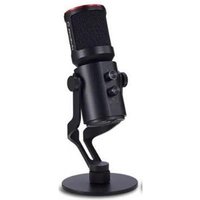
AVerMedia 40AAAM350AWD microphone Black Table microphone
Quzo UK
A quality microphone is essential for capturing clear audio during discussions and feedback sessions in collaborative environments.
Royal Talens : Rembrandt Soft Pastel : Portrait Wooden Box Set of 45
craftyarts.co.uk
Professional soft pastels can be shared among artists for collaborative drawings or illustrations, showcasing different styles.