Contents (10 sections)
Creating a home art studio setup can be a thrilling venture for artists at any level. Whether you’re a seasoned professional or just starting out, having a dedicated space can significantly enhance your creative process. This step-by-step guide will help you design an inspiring and functional art studio that caters to your artistic needs.
Step 1: Identify Your Space
First, it's crucial to select the right location for your home art studio. A quiet corner, spare room, or even a garage can serve as an ideal space. Assess the room based on factors like accessibility, lighting, and ambient noise. For instance, natural light is vital as it helps showcase true colours in your artwork and reduces eye strain. If the chosen room lacks sufficient light, consider adding some artificial lighting options. Also, ensure that the space is well-ventilated to allow for airflow, especially when using materials like paints and solvents.
Things to look for:
- Natural light availability
- Temperature control
- Space for storage and equipment
Step 2: Plan Your Layout
Once you’ve identified your space, the next step is to plan your studio layout. This involves thinking about how you will work; do you paint, draw, or create digital art? Assess your workflow, and arrange your furniture and tools accordingly. You might want to keep frequently used items within reach, while less-used items can go into cabinets or shelving.
Consider these aspects while planning:
- Working area: Have a large, sturdy table or easel that fits your style of work.
- Storage: Use shelves, cabinets, or carts to organise supplies and art materials.
- Zones: Create distinct areas for different tasks. For example, a painting corner, a digital area with a computer, or a drawing nook with a comfortable chair. This structured layout can boost productivity by streamlining your creative processes.
Step 3: Invest in Essential Gear
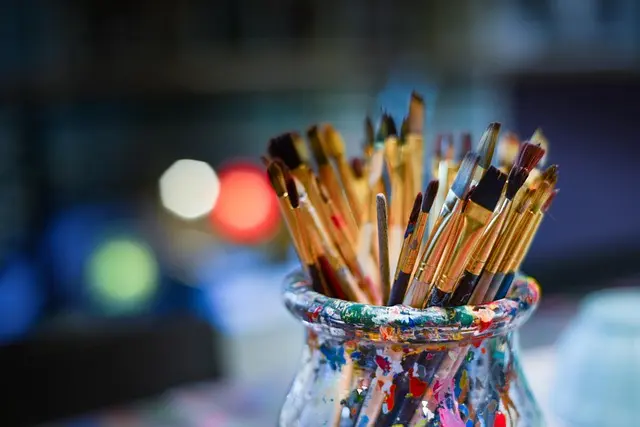
No art studio is complete without the right tools. Assess what materials are essential for your art practice and invest in quality supplies that will last. Basic equipment may include a good set of brushes, paints, canvases, drawing materials, and tools specific to your medium.
When it comes to furniture, don't overlook the importance of comfort and ergonomics. An adjustable chair, a sturdy table, and adequate lighting are essential for long hours in the studio. Additionally, you may consider investing in an art station or cart to move supplies easily.
Step 4: Create an Inspiring Atmosphere
An inspiring atmosphere can significantly influence your creativity. Personalise your studio with art that you admire, images that inspire you, and plants that can liven up the space. Pay attention to colour schemes; calming blues or energising yellows can boost creativity.
Consider the following to enhance your studio:
- Consider an inspirational mood board with images or quotes.
- Use soft lighting or fairy lights to create a warm atmosphere.
- Keep your workspace tidy; a cluttered space can hamper creativity and productivity.
Step 5: Establish a Routine
Having a regular creative routine can help you get into the flow of working in your art studio. Designate specific hours for your art practice. It might include time for planning, creating, and evaluating your work. Moreover, consider setting aside a few minutes each day to clean and organise your space; this helps maintain a conducive environment for creativity.
Tools to help establish routine:
- Digital calendars or planners to schedule art sessions.
- Timers to keep you accountable; using methods like the Pomodoro Technique can keep you focused.
- Regular breaks to refresh your mind and avoid burnout.
Step 6: Stay Connected with the Art Community
Lastly, connecting with other artists can significantly enrich your creative journey. Join local art groups, social media communities, or online forums. Sharing your work and receiving feedback is invaluable for growth. Furthermore, consider attending workshops to learn new skills and techniques that can enhance your artistic abilities.
Ways to connect:
- Follow art enthusiasts and influencers on social platforms.
- Participate in local exhibitions or craft fairs to showcase your work.
- Engage with peers through online platforms such as Zoom meetings or webinars.
Checklist Before You Get Started
- [ ] Select your ideal space
- [ ] Plan your studio layout
- [ ] Purchase essential art materials
- [ ] Personalise your creative environment
- [ ] Establish a consistent routine
- [ ] Connect with the art community
Glossary
| Term | Definition |
|---|
| Art Studio | A designated space for creating art, tailored with essential tools and comfort.
| Workspace Layout | The arrangement of furniture and equipment within the studio to maximise productivity.
| Creative Routine | A set schedule that encourages artistic practice and productivity.
📺 Resource Video
For further insights: [How to Create the Perfect Art Studio], an analysis of effective studio setups. Search on YouTube: how to set up an art studio 2026.
🧠 Quick Quiz: What is the most important factor in choosing a space for your art studio?
- A) Quietness
- B) Size
- C) Location
Answer: A — A quiet space allows for focus, reducing distractions during creative work.
📺 Pour aller plus loin : how to set up an art studio 2026 sur YouTube
Recommended products
Selected by our experts

ASUS TUF Gaming A15 FA507NV-LP025W AMD Ryzen™ 5 7535HS Laptop 39.6 cm (15.6") Full HD 16 GB DDR5-SDRAM 512 GB SSD NVIDIA GeForce RTX 4060 Wi-Fi 6
Back to the Office


HP Sprocket Studio Plus Printer- Print, Copy, Scan & Fax~~Printers & Copiers~~Printers~~Photo Printers
parkcameras.com

MSI Prestige 16 AI STUDIO B1VGG-040UK Intel Core Ultra 7 155H Laptop 40.6 cm (16") Quad HD+ 32 GB LPDDR5-SDRAM 1 TB SSD NVIDIA GeForce RTX 4070 Wi-Fi
Back to the Office


MSI Prestige 16 AI Studio B1VFG-034UK Intel Core Ultra 7 155H Laptop 40.6 cm (16") Quad HD+ 32 GB LPDDR5-SDRAM 1 TB SSD NVIDIA GeForce RTX 4060 Wi-Fi
Back to the Office