Contents (12 sections)
Every artist embarks on a journey to discover their unique artistic style. This process is vital as it not only defines your work but also connects you with art lovers who resonate with your vision. In this guide, we will break down the steps to help you uncover and refine your artistic identity.
1. Understand What a Unique Artistic Style Is
Before diving into the practical steps, it’s crucial to grasp what a unique artistic style entails. Essentially, your artistic style encompasses the techniques, themes, and personal elements that characterise your artwork. It can be influenced by various factors including your interests, experiences, and the art movements that inspire you. Understanding this definition will help lay a solid foundation for your exploration.
Why is it Important?
Your artistic style is not just about aesthetics; it’s about expressing who you are as an artist. According to a study by The Artist's Magazine, artists with distinct styles tend to have more recognition in galleries and online platforms. This recognition can translate into opportunities, commissions, and a solid following. Thus, identifying your style is essential for both your personal satisfaction and career progression.
2. Explore Various Art Forms and Movements
Now that you understand the concept of a unique artistic style, it’s time to explore different art forms. Visit galleries, attend art exhibitions, or explore platforms like Instagram or Pinterest. Look for styles and techniques that resonate with you personally.
Consider the Following Art Movements:
- Impressionism: Focus on capturing the essence of a moment.
- Cubism: Deconstructing subjects into geometric forms.
- Abstract Art: Using shapes and colours to evoke emotions rather than represent reality.
Exploring these movements can broaden your perspective and help you identify elements that you might want to incorporate into your own work. Keep a sketchbook handy to jot down thoughts and ideas as you explore. It’s also helpful to take note of why certain pieces resonate with you. Mistake to Avoid: Don’t copy other styles directly; instead, let them inspire you.
3. Experiment with Different Mediums
Once you’ve identified a few styles that intrigue you, it’s time to experiment with various mediums. Each medium can produce vastly different effects and can greatly influence your artistic style.
Try out:
- Acrylics: Fast-drying and versatile, suitable for vibrant colours.
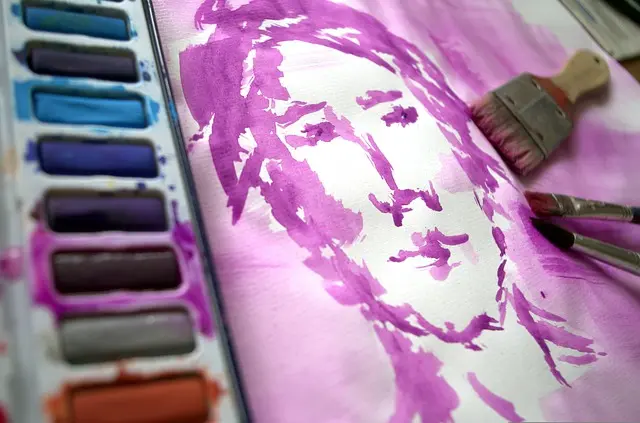
- Watercolours: Great for soft wash effects and transparency.
- Digital Art: Offers endless possibilities and ease of experimentation.
By experimenting, you’ll begin to discover the tools and techniques that align with your vision and comfort level. Pro Tip: Set aside a dedicated time each week to focus on experimenting without the pressure of producing a final piece.
4. Create and Reflect on Your Artwork
As you create more artwork, take time to reflect on your pieces. What common themes are emerging? Which techniques do you enjoy using? This reflection can be done through a journal or by discussing your work with fellow artists and mentors.
Ask Yourself:
- What feelings do I wish to evoke in the audience?
- Are there specific subjects I continuously gravitate towards?
- How do my emotions influence my work?
Expert Insight: “Reflection is key in the artistic process. It helps you align your work with your intentions,” says Dr. Amanda Rivers, an art educator. Keeping a regular practice of reflection can significantly enhance your understanding of your evolving style.
5. Seek Feedback and Collaborate
Don’t shy away from seeking feedback on your work. Subjective views can enrich your understanding and highlight strengths or areas for improvement. Collaborating with other artists can also expose you to different styles and techniques that you may want to integrate into your own.
Consider Joining:
- Local art groups: Many towns have community art collectives where you can share your work.
- Online forums: Websites like DeviantArt or Reddit can provide diverse perspectives.
Tip: When asking for feedback, be specific about what areas you want critique on – composition, colour use, or emotional impact can be great starting points.
6. Consistency and Development of Your Voice
As you begin to define your style, it’s essential to maintain consistency. Consistency in your themes, techniques, and overall presentation helps build a cohesive body of work that audiences can recognise.
Questions to Determine Consistency:
- Do I maintain similar colour palettes across my pieces?
- Am I exploring themes that reflect my passions or beliefs?
- Have I designed a signature technique that stands out?
7. Continue to Evolve
Artistic styles are not static; they evolve as you grow as an artist. Continue to challenge yourself by exploring new techniques and themes. Attending workshops and learning from others can revitalise your practice and infuse fresh energy into your work.
Checklist before you begin your artistic journey:
- [ ] Identify your current influences.
- [ ] Create a mood board of inspiring pieces.
- [ ] Dedicate weekly hours for experimentation.
- [ ] Maintain a reflective journal on your progress.
- [ ] Seek feedback regularly from peers or mentors.
📺 Resource Video
> 📺 For further insight: How to Find Your Unique Artistic Style, a detailed exploration of discovering your artistic voice. Search YouTube: find your unique artistic style process.
Glossary
| Terme | Définition |
|---|---|
| Artistic Style | The distinctive manner in which an artist expresses their creativity through techniques, themes, and mediums. |
| Medium | The materials or techniques used to create artwork, such as paint, ink, clay, or digital tools. |
| Reflection | The process of assessing your artwork to identify personal themes, emotional responses, and areas of improvement in your creative practice. |
---
📺 Pour aller plus loin : find your unique artistic style process sur YouTube