Contents (10 sections)
Finding your artistic voice is a journey that every artist embarks upon. It is defined as the unique way in which one expresses their ideas through their chosen medium. Your artistic voice is what sets you apart in an ever-expanding sea of creativity. In this comprehensive guide, we will explore essential steps to help new artists discover and refine their unique style, culminating in the creation of impactful art.
1. Understanding Your Artistic Identity
Before diving into your artistic practice, it’s crucial to understand your identity as an artist. Reflect on what motivates you, the themes you are drawn to, and the emotions you want to convey through your art. Ask yourself questions such as:
- What inspires me?
- What are my core values?
- Which subjects resonate most deeply with me?
Finding answers to these questions will provide a solid foundation for your artistic voice. For instance, if you are inspired by nature, consider exploring how to incorporate those elements into your artwork. Additionally, examining the styles of artists you admire can also inform your journey. Rather than copying, look at how you can incorporate elements from their work to enhance your unique voice.
2. Experimenting with Different Mediums
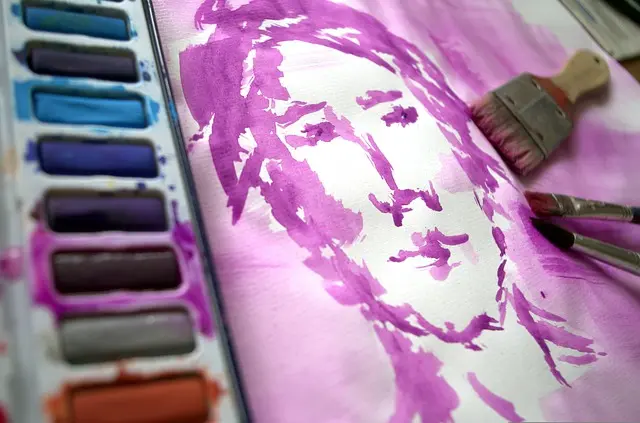
Experimentation is key in the early stages of discovering your artistic voice. Try various mediums, such as painting, drawing, digital art, or sculpture, to see which resonates most with you. Each medium has its own characteristics that will influence your voice. For example, painting with watercolours might lend itself to a softer, more fluid expression, while acrylics could allow for bolder statements.
Take time to play and explore. This process reveals what feels natural and comfortable. According to a survey by The Art League, artists who regularly shift between mediums often discover their unique voice through cross-pollination of techniques. Embrace accidents and mistakes; they often lead to the most surprising and rewarding outcomes.
3. Developing a Consistent Theme
Once you have experimented with different mediums, start to develop a consistent theme within your work. This doesn’t mean limiting yourself, but rather honing in on what you enjoy the most and wish to explore more deeply. For instance, if your initial experiments led you to loving portraiture, you might delve into themes of identity and emotion within that genre.
Creating a thematic consistency will build clarity in your portfolio, making it easier for viewers to engage with your art. A focused theme can also enhance your storytelling capabilities as an artist, allowing you to narrate deeper narratives over time. This thematic depth can elevate your work, creating a more profound connection with your audience.
4. Seeking Feedback and Mentorship
Feedback is essential when refining your artistic voice. Actively seek constructive critiques from fellow artists, mentors, or even art groups. Oftentimes, an outside perspective can highlight aspects of your work that you may not see. Consider joining an art class or workshop where you can share your work in a supportive environment. Mentorship can also play an invaluable role. A mentor can provide guidance, share their own experiences, and help you navigate the complexities of the art world.
However, be discerning. Not all feedback will resonate with your vision. Learn to differentiate between constructive criticism that can help you grow and opinions that detract from your voice. Keep the elements that align with your vision and use them to refine your practice.
5. Cultivating a Habit of Reflection
As you progress in your artistic journey, make it a habit to reflect on your work regularly. Reflecting can involve journaling about your creative process, revisiting past works to evaluate growth, or even meditation on how your aesthetic choices align with your intended message. According to Psychology Today, self-reflection is a critical component of creative success, enabling you to identify your signature methods and areas of improvement.
Set aside dedicated time to evaluate your progress and challenge yourself to articulate your thoughts clearly. Reflecting on your inspirations and the decisions made in creating your art can yield insights that could lead to the evolution of your artistic voice.
6. Creating a Signature Style
After experimenting, reflecting, and receiving feedback, it is now time to synthesize your findings into a more distinct signature style. This is your moment to develop a cohesive and recognizable approach to your art. Focus on combining the elements that resonate with you the most and explore how you can make them uniquely yours.
Creating a signature style doesn’t imply that you shouldn’t evolve; it is more about establishing a recognisable framework that can adapt and grow. Remember that renowned artists like Pablo Picasso and Frida Kahlo experienced significant style evolutions throughout their careers. This adaptability is part of what keeps your work fresh and exciting.
Checklist Before You Begin Your Artistic Journey
- [ ] Reflect on what inspires and motivates you.
- [ ] Experiment with various artistic mediums.
- [ ] Develop consistent themes in your work.
- [ ] Seek constructive feedback and mentorship opportunities.
- [ ] Engage in regular reflection on your artistic journey.
- [ ] Aim to create a signature style that represents your voice.
📺 Resource Video
Great artists share insights on how to find your artistic voice. Search on YouTube for: how to develop your artistic voice 2026.
Glossary
| Terme | Définition |
|---|---|
| Artistic Voice | The unique way an artist expresses themselves through their work, distinguished by their style and subject. |
| Medium | The materials or techniques used by an artist to create their work, such as oils, watercolours, or digital tools. |
| Theme | A subject or idea that recurs throughout an artistic work, providing a framework for interpretation. |
---
📺 Pour aller plus loin : how to develop your artistic voice 2026 sur YouTube
Recommended products
Selected by our experts


Sony BRAVIA 8 II FWD-55XR8M2 139.7 cm (55") 4K Ultra HD Wi-Fi Black
Back to the Office

Dylan Goes Electric & Escaping The Delta By Elijah Wald: 2 Books Set - Non-Fiction - Paperback HarperCollins Publishers
books2door.com