Contents (14 sections)
Introduction
In the world of art, developing your artistic voice is akin to discovering your identity; it shapes how you express your thoughts and emotions through your work. Artistic voice is a unique blend of your ideas, experiences, and techniques that distinguish you from other artists. While it may take time and practice to cultivate, mastering your voice can lead to a fulfilling artistic journey and greater recognition in the art community.
1. Understand the Concept of Artistic Voice
What is Artistic Voice?
Artistic voice refers to the distinct style and emotional resonance that an artist conveys through their work. It encompasses various aspects such as your choice of medium, themes, and techniques, influenced by personal preferences, experiences, and cultural context. Developing your artistic voice is essential for several reasons: it allows you to connect with your audience on a deeper level and provides a sense of authenticity to your work. Moreover, as you refine your voice, you enhance your capacity to convey messages and evoke emotions in viewers.
2. Explore Different Mediums and Techniques
Step 1: Experiment with Various Mediums
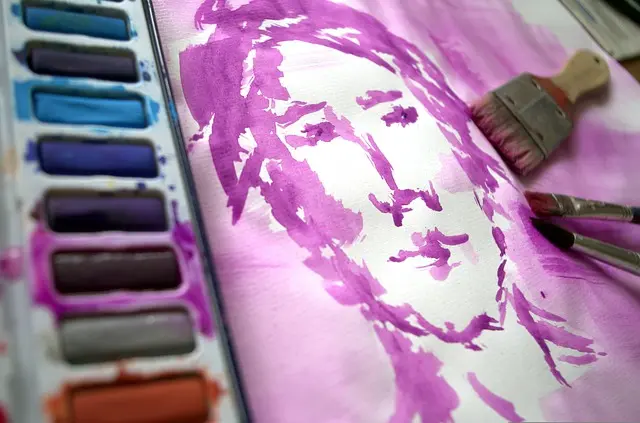
Try your hand at different artistic forms, such as painting, sculpture, photography, or digital art. Each medium comes with its distinct challenges and opportunities that can help you uncover your preferences and strengths. For example, if you typically paint with acrylics, consider experimenting with watercolours to challenge your skills and perspective. By diversifying your experience, you gain valuable insights into what resonates with you most, ultimately contributing to the development of your artistic voice.
Pro Tip: Keep a journal to document your experiences with each medium, noting what you like and dislike about each process.
3. Study Influential Artists
Step 2: Analyse the Works of Artists You Admire
Reflect on the artists whose work speaks to you and understand why. Examine their styles, techniques, and subject matter. This exploration helps you identify elements that you may wish to incorporate into your own work. For instance, if you admire Vincent van Gogh's expressive brushstrokes, you might experiment with more dynamic techniques in your painting to create motion and emotion.
Common Pitfalls to Avoid: Don't merely imitate these artists; instead, draw inspiration while infusing your perspective into your interpretations, ensuring authenticity in your work.
4. Reflect on Your Life Experiences
Step 3: Leverage Personal Themes in Your Work
Your life experiences give depth and meaning to your artwork. Consider how your background, culture, and emotions shape your artistic expression. Work that is rooted in personal experience often resonates most deeply with viewers. For example, if you have a passion for nature, you might explore themes related to environmental conservation in your artwork.
Checklist for Reflection:
- [ ] Write down pivotal life events
- [ ] Identify recurring themes in your thoughts and emotions
- [ ] Think about how these experiences can influence your artistic expression
5. Develop a Consistent Practice
Step 4: Establish a Regular Artistic Routine
Consistency breeds improvement. Set aside regular time for art creation to develop and refine your voice. Allocate specific times weekly to practice your techniques, explore new mediums, or engage in art critiques. By maintaining a routine, you ensure sustained growth and evolve your unique style, gradually honing your voice. Remember, even renowned artists invest time in practice to progress.
6. Seek Constructive Feedback
Step 5: Engage with the Art Community
Feedback plays a crucial role in growth as an artist. Share your work within communities, whether through social media, local exhibitions, or art classes. Constructive criticism helps you identify strengths and areas for improvement. Additionally, engaging with fellow artists fosters a supportive network that can inspire and motivate you.
Tip: Don’t shy away from critiques; instead, view them as valuable opportunities for growth in your artistic journey.
Table of Comparisons
| Criteria | Self-Expression | Technical Skill | Emotional Connection | Audience Engagement |
|---|---|---|---|---|
| Essential for Artistic Voice | Yes | Yes | Yes | Yes |
| Dependent on Experience | Highly variable | Very important | Contextual | Feedback Loops |
| Developed Over Time | Progressively | Requires Patience | Immediate | Can be very effective |
Q: How long does it take to develop an artistic voice?
A: Developing your artistic voice is a journey that varies for everyone. It can take months to years of consistent practice, reflection, and experimentation.
Q: Should I focus on one medium or explore multiple?
A: Exploring multiple mediums can provide diverse experiences that will inform and enhance your unique artistic voice. However, developing mastery in your preferred medium is equally important.
Q: Is my artistic voice fixed or can it change over time?
A: Your artistic voice can evolve as you gain new experiences, insights, and skills. Embrace this growth as part of your artistic journey.
Q: How can I effectively receive and utilise feedback?
A: Approach feedback with an open mind, and consider suggestions that resonate with your vision. Use constructive criticism as a tool for reflection and improvement.
Glossary
| Term | Definition |
|---|---|
| Artistic Voice | A unique style and perspective that characterise an artist's work. |
| Medium | The materials or methods employed in creating artwork. |
| Constructive Criticism | Feedback intended to help improve artistic practice, focusing on strengths and areas for growth. |
Checklist for Developing Your Artistic Voice
- [ ] Experiment with various mediums
- [ ] Analyse works of influential artists
- [ ] Reflect on personal themes
- [ ] Establish a regular artistic routine
- [ ] Seek and embrace feedback from the art community
Conclusion
Developing your artistic voice is a multifaceted process that requires exploration, reflection, and practice. Embrace the journey, learn from your experiences, and most importantly, maintain authenticity in your expression. Your unique perspective is invaluable in the world of art. Discover our recommendations below to support your artistic journey.
📺 Resource Video
> How to Find Your Artistic Voice, an analysis complete of techniques to identify and cultivate your artistic expression. Search on YouTube: "how to develop your artistic voice 2026".
📺 Pour aller plus loin : how to develop your artistic voice 2026 sur YouTube
Recommended products
Selected by our experts

Trendi 1 Gang 2 Way Artistic Modern Glossy Screwless 10 Amp Rocker Light Switch White
simplelighting.co.uk

Microsoft Exam 70-488: Developing SharePoint Server 2013 Core Solutions Online Course
Learning 24/7

Trendi Artistic Modern Glossy Screwless Fused Spur Switch Silver
simplelighting.co.uk

Trendi 1 Gang 2 Way Artistic Modern Glossy Screwless 10 Amp Rocker Light Switch White
simplelighting.co.uk

Care Certificate - Standard 2: Your Personal Development CPD Accredited Online Course
Learning 24/7