Contents (12 sections)
Art is an expression of individuality, and developing your artistic style is crucial for standing out in the creative landscape. Whether you're picking up a brush for the first time or refining your existing techniques, understanding how to cultivate your distinct voice in art is essential for growth. In this tutorial, we will explore practical steps to refine and develop your artistic style that resonates with both you and your audience.
🗒️ 1. Understand Your Influences
Before you can carve out your unique artistic style, it’s important to take stock of your influences. This includes artists whose work resonates with you and styles that excite you. Analysing these influences can help clarify what elements you wish to incorporate into your own work.
Start by creating a mood board or an inspiration folder filled with artworks, photographs, and colour palettes that inspire you. Consider why these pieces resonate— is it the use of colour, composition, emotion, or subject matter? This research stage is crucial for laying the groundwork for your style.
Additionally, exploring various mediums can broaden your artistic vocabulary. Many artists find that experimenting with different forms—like painting, digital art, or sculpture—reveals aspects they wouldn't typically consider. This investigation can ignite new interests and encourage you to blend styles, which is often where unique artistic voices begin.
💡 Pro Tip:
Try dedicating a few hours each week to analysing and reflecting on different artists’ works to see how they've developed their styles over time.
🎨 2. Experiment with Different Mediums
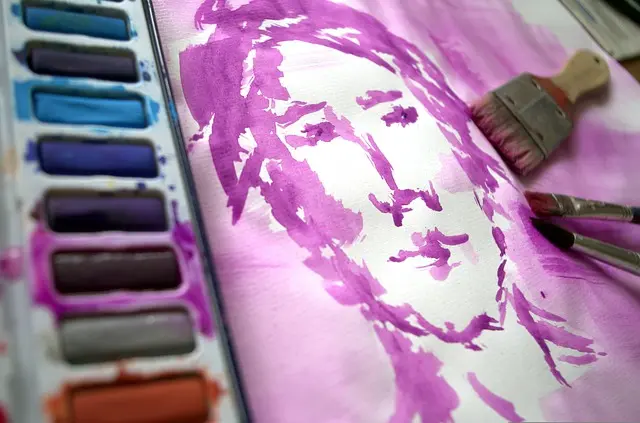
Step 2 in developing your artistic style is experimenting with various mediums. Each medium offers its own set of rules, behaviours, and results, which can lead to breakthroughs in your artistic practice. For instance, the fluidity of watercolours differs greatly from the texture of oil paints, which will push you to adapt your approach and can profoundly impact your artistic output.
Set aside dedicated time to try new materials. Beyond traditional paints, consider mixed media, collage, or digital art, depending on what excites you. Approach this experimentation without the pressure of creating a finished masterpiece; the goal here is exploration and play. Let your intuition guide you and embrace any mistakes as part of the learning process. You may just stumble upon a unique technique that becomes a hallmark of your style.
Checklist for Exploration:
- [ ] Explore at least three new materials this month.
- [ ] Emphasise fun over precision during your experiments.
- [ ] Document your results in a sketchbook for future reference.

📊 3. Create a Body of Work
Once you’ve experimented with influences and mediums, it’s time to create a cohesive body of work. Start by selecting themes that resonate with you. A cohesive set of artworks makes it easier for viewers to identify your unique voice. When creating these pieces, focus on what means the most to you—consider your experiences, emotions, and ideas as foundational elements.
Plan mini-projects or series that allow you to explore these themes deeply. This could involve a series dedicated to nature, urban landscapes, or personal storytelling through abstract art. The key here is consistency in either style or subject matter to establish a recognisable voice. As you create more, your style will naturally emerge and evolve based on your choices and preferences.
Important Consideration:
Don’t hesitate to share your works-in-progress; feedback from your artistic community can provide insights that help you further refine your style.
🔍 4. Critique and Reflect
Step 4 involves critical reflection on your body of work. Now that you’ve created some pieces, take time to evaluate your creations. Look for common threads—are there specific colours, themes, or techniques that you naturally gravitate toward? Self-critiquing doesn’t just highlight areas for improvement; it also reinforces what is already working well in your practice.
Consider seeking constructive feedback from trusted peers or mentors; they can offer perspectives you may not have identified on your own. You may also find value in joining local art groups or online forums where artists share critiques and insights. Regularly reflecting on your work ensures continuous growth and allows you to adapt your style intentionally.
📈 5. Establish an Online Presence
In today’s digital age, having an online presence is essential for showcasing your artistic style. Create a professional portfolio that highlights your best works. This not only serves as a visual resume but also allows potential buyers or collectors to engage with your work. Incorporate social media platforms into your strategy, using them as tools for interaction and feedback.
Share behind-the-scenes content, ongoing projects, and inspirations to engage with your audience authentically. Regularly post updates on your creative journey, offering sneak peeks into your process and thoughts—this transparency can resonate with followers and help you build a loyal community.
Useful Platforms:
- Instagram and Pinterest for visual sharing.
- Websites like Behance or DeviantArt for professional portfolios.
🗒️ Checklist for Online Presence:
- [ ] Set up or refine your portfolio website.
- [ ] Maintain a consistent posting schedule on social media.
- [ ] Engage with followers through comments and questions.

Trendi Artistic Modern Glossy Screwless Fused Spur Switch Silver
simplelighting.co.uk

Trendi 1 Gang 2 Way Artistic Modern Glossy Screwless 10 Amp Rocker Light Switch White
simplelighting.co.uk
Trendi Artistic Modern Glossy Screwless Fused Spur Switch Silver
simplelighting.co.uk
📺 Resource Video
> 📺 For going deeper: *
Recommended products
Selected by our experts
Trendi Artistic Modern Glossy Screwless Fused Spur Switch Silver
simplelighting.co.uk
Trendi 1 Gang 2 Way Artistic Modern Glossy Screwless 10 Amp Rocker Light Switch White
simplelighting.co.uk
Trendi Artistic Modern Glossy Screwless Fused Spur Switch Silver
simplelighting.co.uk