Contents (10 sections)
Creating a personal artistic style is a fulfilling journey every artist embarks on. Whether you are a novice or looking to refine your existing style, understanding the key components to develop your uniqueness is essential. This guide presents practical steps that include exploring techniques, gathering inspiration, and experimenting with various mediums, ensuring you cultivate a style that resonates with you.
1. Understand the Basics of Art
Before diving into the development of your artistic style, it’s crucial to familiarise yourself with the fundamentals of art. This includes understanding various forms of art, such as painting, drawing, and sculpture, as well as foundational concepts like colour theory, composition, and perspective. Investing time in learning these basics provides a strong foundation for your creative expression.
For instance, consider practicing painting with primary colours to understand how they mix to create new hues. Resources such as art courses offered online or at local community colleges can also provide structured learning.
💡 Expert Opinion: According to findings from Art in America, engaging in workshops with experienced artists greatly enhances beginners' understanding of art basics.
Mistakes to avoid include neglecting foundational skills in favour of jumping straight into experimenting with style.
2. Explore Different Mediums
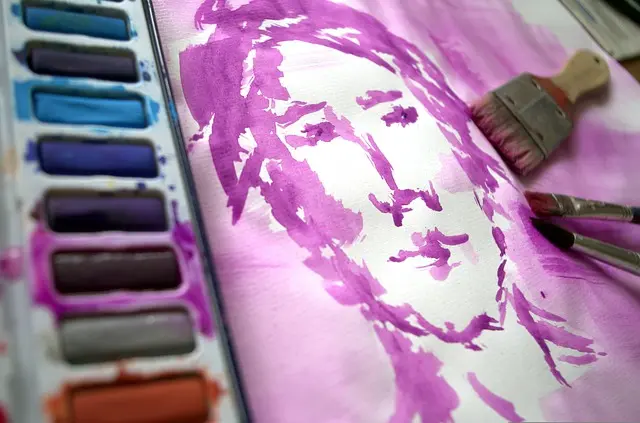
Exploring a variety of mediums is vital in discovering your artistic style. Each medium possesses unique properties and influences how your ideas are expressed. Some popular mediums include acrylics, watercolours, oils, pastels, and digital art tools.
Start by dedicating a few weeks to experimenting with different mediums. Document your experiences, noting how each medium affects your creative process and emotional response. For example, if you enjoy the fluidity of watercolours over the opacity of acrylics, that information is critical in shaping your style.
💡 Pro Tip: Don't be afraid to mix materials. Many contemporary artists combine traditional and digital techniques to create distinctive works.
Common errors include sticking to just one type of medium without experimenting. This can hinder your development and limit your creative growth.
3. Seek Inspiration
Finding inspiration is vital in developing your artistic style. Inspiration can come from various sources: nature, urban environments, literature, or artworks by other artists. Delve into art history and analyse the works of legendary artists to see what resonates with you.
Create a mood board with images, colours, and textures that inspire you. Platforms like Pinterest or Instagram are incredible tools for finding and archiving inspirations.
Remember to visit galleries and attend art shows; real-life exposure to art can offer immense inspiration.
💡 Expert Insight: The National Gallery emphasizes that viewing artworks in person can significantly influence artists' styles.
Avoid relying solely on digital mediums for inspiration, as experiencing art in person offers a richer and more impactful perspective.
4. Practice, Practice, Practice
The importance of continual practice cannot be overstated. Regularly set aside time to create art without the pressure of producing a masterpiece. This practice will not only refine your technical skills but also enable you to explore various styles organically.
Try to maintain a daily sketchbook where you draw, doodle, or paint spontaneously. Over time, you’ll notice patterns in your work that reflect your emerging style.
💡 Fun Fact: According to Stanford University, artists who practice consistently rate their satisfaction and style development significantly higher than those who do not.
One pitfall to avoid is self-criticism during practice. Embrace each piece you create as an important step in your artistic journey.
5. Reflect on Your Work
After developing skills and exploring various methods, reflecting on your own pieces is critical. Look back at your body of work over time to discern what elements consistently appear. This process of self-evaluation helps in identifying what resonates with you and what does not.
Consider aspects such as colour palettes, subjects, and techniques you often use. You may find that certain themes or visual languages articulate your artistic voice better than others.
💡 Insight: Engaging with fellow artists can provide valuable outside perspectives on your work.
Avoid the tendency to merely try to fit into trends that may not resonate with your true self, as this can dilute your unique expression.
📺 Resource Video
> 📺 For further exploration: How to Find Your Artistic Voice, a comprehensive guide on refining your style. Search on YouTube: artistic style development for beginners.
Checklist for Developing Your Artistic Style
- [ ] Familiarise yourself with art fundamentals
- [ ] Experiment with various mediums
- [ ] Create a mood board for inspiration
- [ ] Dedicate time for daily practice
- [ ] Reflect on your works periodically
Glossary
| Terme | Définition |
|---|---|
| Artistic Style | A unique manner or approach that reflects an artist's personal expression. |
| Medium | The material or technique used by an artist to create a work of art. |
| Inspiration | The process of being mentally stimulated to do or feel something creative.
📺 Pour aller plus loin : artistic style development for beginners sur YouTube