Contents (10 sections)
Understanding Your Unique Artistic Style
Developing a unique artistic style is crucial for any emerging artist striving to stand out in a crowded marketplace. Your style reflects your personality, influences, and experiences, creating a visual voice that is uniquely yours. In 2026, the art world continues to evolve, and so does the definition of personal style. Today, it isn’t just about technique but also about conveying your thoughts and feelings through your work. Understanding your artistic style begins with self-reflection. Ask yourself questions like: What inspires me? Which themes recur in my work? This reflective process can help illuminate the core elements of your artistic identity.
Moreover, identifying your influences can significantly shape your style. Whether it’s the brushwork of Van Gogh, the emotional depth of Frida Kahlo, or the vibrant colour palettes of Yayoi Kusama, these influences can lead to a unique fusion that defines your artwork. Take the time to document these influences in a journal or sketchbook; this can provide clarity as your style starts to emerge.
Exploring Different Mediums
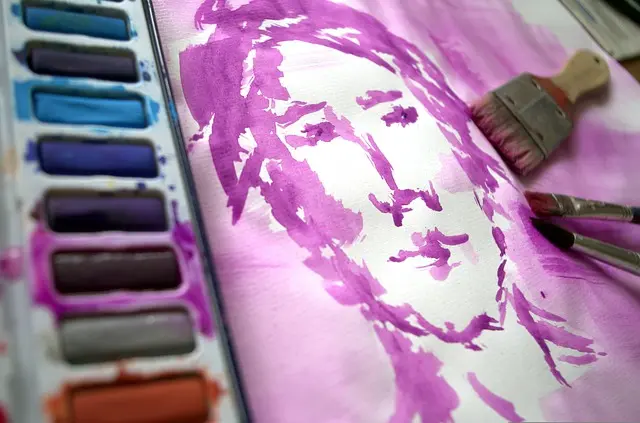
The next step is exploring various mediums and techniques to enhance your unique artistic style. As an artist, you may feel inclined to stick with one medium. However, experimenting with different materials—such as watercolours, acrylics, oils, or even digital art—can lead to surprising results and insights about your preferences. Each medium has its characteristics that can evoke different emotions and responses. For instance, acrylics dry quickly and allow for layering, while oils provide a broader spectrum for blending.
Consider visiting local art supply stores or galleries to familiarise yourself with what’s available. Online platforms like Skillshare or YouTube host numerous tutorials where you can learn various techniques. Participating in workshops or community art classes can also provide hands-on experience. Don’t be afraid to step out of your comfort zone; sometimes, the best discoveries come from the unexpected. Through this exploration, record your findings, noting how different mediums impact your work. This documentation can be vital for future reference when you refine your unique style.
Creating a Mood Board
A mood board is a powerful tool for visual artists to define and develop their unique artistic style. By collating images, colour palettes, textures, and even words that resonate with you, a mood board can serve as your creative compass. Start by collecting magazines, photographs, or even digital images that inspire you. Arrange these elements on a physical board or use digital platforms like Pinterest or Canva to create a virtual board.
This visual representation not only highlights your preferences but also reveals recurring themes and colours, making it easier to spot patterns in your artistic inclinations. For example, if your board features nature scenes, bold colours, and abstract shapes, these elements might become pivotal in your artwork. Additionally, revisiting your mood board regularly helps maintain your focus as you explore your style, allowing you to identify how your artistic journey is progressing and evolving over time.
Experimentation and Practice
Art is inherently about experimentation and practice. To develop a unique artistic style, allocate regular time for art-making and try new techniques without fear of judgement. This experimentation phase can sometimes feel chaotic, but it is essential for growth. For instance, set aside a day each week dedicated solely to playing with different styles or themes. You could create abstract pieces one week and focus on realism the next.
One common misconception is that every piece of art must be a finished product worthy of display. In reality, many works will serve as experiments or stepping stones towards more polished pieces. Embrace the imperfections, as they can lead to unexpected breakthroughs in your artistry. Remember, it is through this playful approach that many successful artists find their voice; don’t hesitate to create pieces that may not fit into your envisioned style yet.
Seeking Feedback
Once you have created several pieces reflecting your evolving unique artistic style, seeking feedback can be incredibly valuable. Sharing your work with peers, mentors, or art instructors can provide constructive insights that help refine your approach. Look for local art communities or online platforms where you can safely share your work. Social media platforms like Instagram or DeviantArt are excellent avenues for connecting with other artists and gaining feedback.
When soliciting feedback, be open to both positive and critical comments. It’s not just about affirmation, but about gaining varied perspectives that can challenge your approach and encourage growth. Additionally, consider feedback from different demographics; art often resonates across boundaries, and diverse opinions can help you understand how your work is perceived by different audiences. Ultimately, aim for constructive feedback that fosters improvement and clarifies your unique voice.
Consistency and Patience
Consistently practicing your craft is vital in defining a unique artistic style. Developing a distinct style doesn’t happen overnight; it requires patience and perseverance. As you progress, remember that style evolves, and what may feel like a departure from your original course could mature into the hallmark of your unique signature in time.
Set realistic goals for your artistic journey. Create a schedule that allows you to dedicate time regularly to your art practice, whether that’s daily sketches or weekly larger projects. Tracking your achievements—no matter how small—can keep you motivated and foster a sense of accomplishment. Remember, every artist has faced challenges and frustrations along the way, but persistence in honing your craft will invariably lead to a more refined and distinctive style.
Your Artistic Style Checklist
To help streamline your journey, here’s a checklist that encapsulates essential steps to develop your unique artistic style:
- [ ] Reflect on your personal influences and inspiration
- [ ] Experiment with various mediums and techniques
- [ ] Create a mood board to visualise your artistic preferences
- [ ] Dedicate regular time to art-making for practice
- [ ] Seek constructive feedback from peers and mentors
- [ ] Maintain patience and embrace the evolutionary nature of your style
Glossary
| Terme | Définition |
|---|---|
| Unique Artistic Style | Une représentation visuelle distinctive qui reflète l'identité et les influences de l'artiste. |
| Mood Board | Un collage visuel utilisé pour inspirer la création artistique, constitué d'images, de couleurs et de motifs. |
| Experimentation | Le processus d'essai de nouvelles techniques ou de nouveaux mediums pour découvrir des approches artistiques variées. |
Quick Quiz
> 🧠 Quiz rapide : What is the purpose of a mood board?
> - A) To display art for sale
> - B) To compile inspiration and visual preferences
> - C) To outline your artistic goals
> Réponse : B — A mood board compiles inspiration and visual preferences crucial for developing an artistic style.
📺 For further exploration: How to develop your artistic style, a complete analysis of crafting your distinctive voice. Search on YouTube: "how to develop a unique artistic style 2026".
📺 Pour aller plus loin : how to develop a unique artistic style 2026 sur YouTube