Contents (10 sections)
Art is an incredible journey where self-expression reigns supreme. Finding your unique artistic style is essential for any artist aiming to leave a mark in the art world. This guide provides essential steps to help artists identify and refine their unique artistic style.
1. Understand the Concept of Artistic Style
To embark on your journey, it’s vital to grasp what an artistic style encompasses. Artistic style refers to the distinct characteristics that embody an artist's work, influenced by various factors such as technique, colour palette, subject matter, and emotional resonance. For instance, consider artists like Vincent van Gogh, with his swirling brush strokes and vibrant colours, which evoke feelings of turbulence and passion. In contrast, Pablo Picasso is renowned for his abstract forms and bold shapes, drastically differing from traditional representations.
Understanding your own influences and preferences is crucial. Reflect on various art movements—such as Impressionism, Cubism, or Abstract Expressionism—to discern what resonates with you. What emotions do they evoke? How do they connect with your personal experiences? This reflection lays the groundwork for developing a distinctive style that resonates with your identity as an artist and your audience's expectations.
2. Explore Different Mediums and Techniques
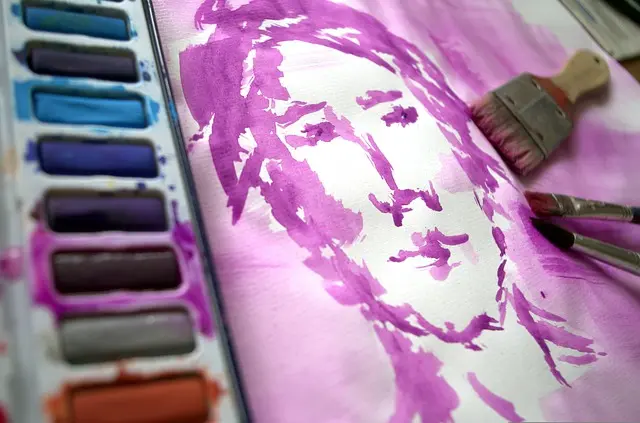
Experimenting with various mediums—such as oil, acrylic, watercolour, or digital—can profoundly influence your artistic style. Each medium has its unique appeal and application methods, contributing to how your artwork communicates. For example, watercolours often result in softer, ethereal images, while acrylics offer bold, vibrant colours with the capacity for layering and texture.
Moreover, employing diverse techniques can inspire new directions in your style. Try experimenting with impasto for texture, glazing for depth, or even mixed-media approaches to add layers of complexity to your work. As you play with different styles, pay attention to what feels intuitive and discover which techniques align closely with your vision. Remember to keep a sketchbook to document your explorations and reflect on your progress.
3. Identify Your Inspirations and Influences
Take time to analyse the artists, styles, and movements that inspire you. This could range from classic artists like Claude Monet or Georgia O’Keeffe to contemporary stars like Banksy or Yayoi Kusama. Make a list of artworks or artists that resonate with you and try to pinpoint common themes—what elements draw you in? Is it their use of colour, form, or subject matter?
Creating an inspiration board can be incredibly helpful. Use images, materials, and even phrases that inspire you artistically. This visual collection serves as a springboard, influencing your work while helping you formulate a deeper understanding of your preferences. Remember, while it’s crucial to acknowledge your influences, ensure your work ultimately reflects your unique perspective, avoiding mere imitation.
4. Develop a Consistent Practice
Consistent practice is key to refining your unique artistic style. Just as musicians practice scales or athletes train rigorously, artists enhance their skills through regular, dedicated practice. Dedicate time each week to create without the pressure of perfection. Set goals such as completing a piece or exploring a new technique.
Consider joining workshops or online classes to learn from established artists. This interaction provides valuable feedback, allowing you to evaluate and adjust your approach, ultimately leading to greater artistic maturity. Furthermore, exhibiting your work—whether in local galleries or online platforms—facilitates connections and offers insight into how your art resonates with others, encouraging you to adjust your style positively.
5. Solicit Constructive Criticism
Receiving feedback can be one of the most enlightening aspects of an artist's journey. Seek constructive criticism from mentors, peers, or art communities. Constructive criticism is not simply about praising or criticising; it helps you understand how your art is perceived and offers suggestions for improvement.
Platforms like Instagram and Behance allow for a wider reach when sharing your work. Initiating discussions, attending art critiques, or participating in online forums can provide diverse perspectives that push your artistic boundaries. Engaging with fellow artists in a supportive manner fosters growth, sparking creative discussions that can lead to a breakthrough in defining your unique style.
6. Trust Your Instincts and Evolve Naturally
Art cannot be entirely taught; it is an inherent expression of who you are. As you navigate the process of defining your unique artistic style, trust your instincts. Embrace the natural evolution of your art; your style will shift as you gain experience and insight. This evolution is a sign of growth rather than failure.
Allow your work to resonate with authentic voice and emotions. Focus less on trends and more on what feels true to you. As an artist, it’s normal to feel apprehension about steering away from established forms or styles. However, remember that the beauty of art lies in its fluidity. Celebrate your experimentations and don’t fear change.
Checklist before refining your unique style:
- [ ] Define what artistic style means to you.
- [ ] Experiment with different mediums and techniques.
- [ ] Create an inspiration board.
- [ ] Practice consistently.
- [ ] Seek constructive criticism from peers.
- [ ] Trust your instincts and embrace change.
📺 For further exploration:
[Video title suggestion]: How to Define Your Unique Artistic Style, a deeper exploration of uncovering your creative voice. Search on YouTube: “defining your unique style in art”.
Glossary
| Terme | Définition |
|---|---|
| Artistic Style | Unique characteristics representing an artist's work, influenced by medium, technique, and personal experience. |
| Medium | The material or technique employed in artistic creation, e.g., oil, acrylic, or digital art. |
| Constructive Criticism | Feedback aiming to improve one's work through positive insights and suggestions. |
> 🧠 Quick Quiz: What is an essential aspect of developing your unique artistic style?
> - A) Following current trends
> - B) Experimenting with different techniques
> - C) Imitating famous artists
> Answer: B — Experimenting with different techniques fosters personal growth in artistry.
Exploring your unique artistic style is a fulfilling and rewarding journey. Remember, authenticity, intention, and practice are your best allies. Allow your creativity to flourish, and enjoy the process as an integral part of your artistic identity.
📺 Pour aller plus loin : how to define your unique artistic style sur YouTube