Contents (11 sections)
Finding your unique artistic style is a journey that combines self-reflection, experimentation, and understanding of artistic fundamentals. Whether you’re an emerging artist or someone looking to redefine your approach, these steps will guide you through the process of discovering a style that is distinctly yours.
1. Understand What an Artistic Style Is
Before diving into the process of defining your unique artistic style, it’s imperative to comprehend what artistic style truly means. Your artistic style encompasses your visual language and the methods you use to express your ideas. It includes elements such as technique, colour palette, medium, and themes. For instance, an artist might primarily use bright colours and abstract forms while another might focus on realism using a subdued palette. According to a study by The Art Institute of Chicago, a significant number of emerging artists struggle to define their style because they lack an understanding of its components. By having a clear definition, you can better navigate the artistic landscape.
2. Explore Different Mediums and Genres
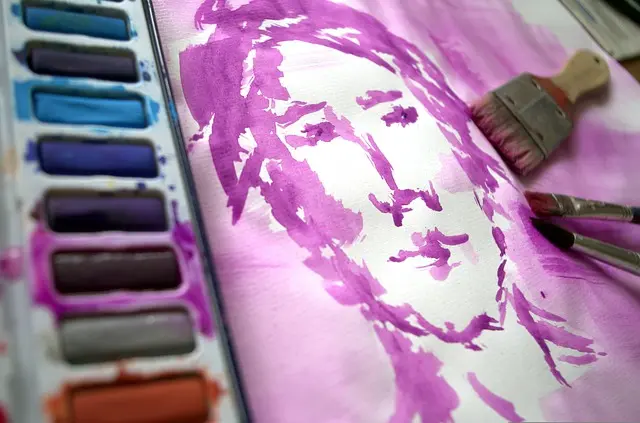
One of the most effective ways to discover your unique artistic style is to experiment with diverse mediums and genres. Trying out various materials—from acrylics and watercolour to digital art or collage—can yield unexpected results and insights into your preferences.
- Pro Tip: Keep a journal of your exploration process. Document what works and what doesn’t to identify patterns in your choices.
Engaging with different art forms allows you to break out of your comfort zone. For example, Vincent van Gogh initially painted in a dark palette influenced by Dutch genre painting before finding his unique approach through colour theory and emotional expression. Consider allocating time each week to explore a new medium or art form; this can exponentially broaden your creative horizon.
3. Analyse Influences and Inspirations
Recognising the influences that shape your artistic perspective is integral to defining your style. Make a list of artists that inspire you, analysing what specifically resonates with you—be it their use of colour, technique, or subject matter. According to a survey by Saatchi Art, over 70% of artists base their work on influences from other artists or movements.
- Common Mistake: Avoid copying another artist’s work. Instead, let their influence guide you to create something innately yours.
Curating a collection of images, sketches, or even materials that inspire you can serve as a foundational reference point while developing your own style. A mood board can be a valuable visual tool to help illustrate your artistic visions and aspirations.
4. Develop a Signature Technique or Element
As you start to feel more confident in your explorations, it’s time to hone in on a particular technique or element that could eventually become your signature. This could be a specific brushstroke, a unique method of layering colours, or even a recurring motif within your works, like floral shapes or geometric patterns.
- Research Insight: According to a report from Art Business News, artists who develop a signature technique often see heightened recognition and sales.
Developing a distinct technique doesn’t happen overnight. Allocate time to practice consistently, focusing on refining it until it feels organic and intrinsic to your artistic voice. Document your progress and don’t shy away from feedback, whether it’s from peers or mentors.
5. Seek Feedback and Iterate
Feedback is invaluable in the journey towards defining your unique artistic style. Share your work with a community of fellow artists or seek mentorship from established professionals in your art field. Constructive critiques can help you identify strengths and areas for improvement that you might not see on your own.
- Pro Tip: Create a feedback loop where you regularly revisit earlier works after receiving criticism. This process can reveal significant growth over time and highlight directions for future projects.
Engaging with a community, whether it's online or in a physical space, can provide support and encouragement as you refine your style. Group critiques can also inspire collaborative projects, further expanding your artistic repertoire.
6. Embrace the Evolution of Your Style
Art is a living expression, constantly evolving. Your unique artistic style will develop over time as you gain more experience and exposure to different influences and techniques. Embrace this evolution rather than fearing it.
- Common Misconception: Many artists feel pressured to stick with one style, fearing that change dilutes their identity. Remember, Pablo Picasso is known for transitioning through various styles throughout his career.
Maintaining a flexible mindset can open doors to entirely new realms of creativity and innovation. Document your journey through sketchbooks or online galleries to see how your artistic voice transforms over time.
📺 Resource Video
> 📺 For further exploration: How to Find Your Artistic Style, a detailed analysis on developing your unique artistic approaches. Search on YouTube: how to find your artistic style.
Checklist before defining your unique artistic style
- [ ] Define what artistic style means to you.
- [ ] Experiment with at least three different mediums.
- [ ] Create a mood board of influences.
- [ ] Develop a specific technique or signature element.
- [ ] Seek feedback from peers.
Glossary
| Terme | Définition |
|---|---|
| Artistic Style | The distinctive manner in which an artist expresses their ideas through visual elements. |
| Medium | The materials or tools used to create art (e.g., oil paints, digital software). |
| Signature Technique | A specific method or approach used consistently by an artist that distinguishes their work from others. |
🧠 Quiz rapide :
> What is the first step in finding your unique artistic style?
> - A) Explore various mediums
> - B) Develop your own technique
> - C) Analyse other artists
> Réponse : A — Experimentation allows you to discover preferences before defining your style.
Embracing the journey to define your unique artistic style can significantly enhance not only your creativity but also your confidence as an artist. Remember, every artist's path is unique, and the most vital part is to keep creating and evolving.
📺 Pour aller plus loin : if you're trying to find your art style...STOP! (do this instead...) sur YouTube