Contents (10 sections)
As we dive into the artistic landscape of 2026, several significant trends are shaping how artists create, communicate, and connect. This year, artists must navigate a terrain that includes technology integration, social responsibility, and an ever-evolving audience expectation.
The Rise of Digital Art and NFTs
Digital art has continued to surge in popularity, propelled by the rise of NFTs (Non-Fungible Tokens). Artists are leveraging blockchain technology to sell their work in innovative ways. According to a report by DappRadar, the NFT market generated over $25 billion in sales in 2025, demonstrating a vigorous appetite for digital art. Emerging artists now find themselves in a unique position to create and sell their work directly to consumers without the need for traditional galleries, which can often be gatekeepers.
In 2026, artists are encouraged to explore platforms that facilitate NFT creation and sales, like SuperRare or OpenSea. By understanding digital wallets and smart contracts, artists can engage directly with their communities, providing authenticity and transparency that appeals to today's buyers.
💡 Expert Insight: Engaging with NFT communities on social media can help artists expand their reach and network with potential buyers, ensuring their work gains exposure in a competitive marketplace.
Emphasis on Sustainability and Social Responsibility
Sustainability in art is no longer just a trend; it’s a movement. As environmental concerns grow, artists are increasingly expected to adopt eco-friendly practices. In 2026, artists are repurposing materials and employing sustainable methods in their artwork. According to ArtNet, sales of sustainable art have increased by 60% over the last three years, showcasing a shift in consumer values towards responsible art.
For emerging artists, this trend offers an opportunity to differentiate themselves. Creating art that speaks to ecological issues or using sustainable materials can attract a audience that prioritises both aesthetics and ethics. Social responsibility is also key—projects that raise awareness about social injustices or involve community initiatives tend to resonate more strongly with the public.


The Impact of Virtual Reality and Augmented Reality
Virtual Reality (VR) and Augmented Reality (AR) are reshaping how art is experienced. In 2026, we see a growing number of exhibitions that incorporate VR elements, allowing viewers to immerse themselves in the art. According to a study by The International Journal of Arts, 40% of art institutions reported incorporating AR or VR into their exhibitions in 2025.
Artists embracing this technology can create interactive works that engage audiences in novel ways. For instance, an artist might design a VR experience that allows viewers to explore a digital landscape that reflects themes from their physical artworks. As technology continues to evolve, staying current with digital tools will be essential for artists wanting to push artistic boundaries and enhance visitor experiences.
The Return of Traditional Mediums
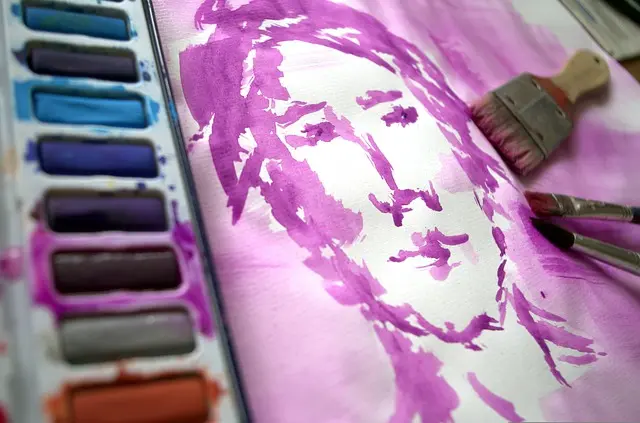
Paradoxically, while digital art rises, there’s a noteworthy resurgence in traditional mediums. Oil painting, sculpture, and other hands-on techniques are gaining popularity among collectors who appreciate the tactile and authentic nature of non-digital art. According to Arts Economics, sales of traditional artwork increased by 30% in 2025, showing that there remains a significant market for artists working in these mediums.
This trend suggests that emerging artists should not ignore classical techniques. Combining traditional skills with modern themes can result in compelling works that resonate with buyers. Workshops focusing on drawing, painting, or sculpting can bolster an artist's skills and expand creative horizons.
Community Engagement and Collaborative Projects
Community-based art is gaining traction as artists build connections that create shared experiences. Collaborations between artists, non-profits, and local organisations are thriving in 2026. This trend allows art to transcend mere aesthetics and become a platform for dialogue and change, addressing issues such as mental health, inclusivity, and local culture.
By engaging with their communities, artists can not only create impactful works but also cultivate a dedicated following. Projects such as murals, pop-up galleries, or community workshops can enhance an artist's visibility and deepen their relationship with their audience.
Globalisation and Cultural Exchange
In today’s interconnected world, artists are continually influenced by global trends. In 2026, there is a visible increase in cross-cultural collaborations that bring diverse perspectives into artistic practice. Platforms such as Instagram and TikTok have facilitated cultural exchange, allowing artists to share and adapt influences from around the world.
Emerging artists should leverage social media to connect with global audiences. By participating in international collaborative projects or incorporating global themes into their work, artists can amplify their voices and broaden their reach. This global perspective enriches artistic expression and promotes cultural empathy, vital in today’s world.


Nicola Spring 16.5cm Colour Block Stoneware Cereal Bowls - Pack of 4 - Mustard
rinkit.com
📺 Resource Video
> For further exploration: The Evolution of Art in 2026, a comprehensive analysis of the current art scene trends. Search on YouTube: art trends 2026.
Glossary
| Terme | Définition |
|---|---|
| NFT | Un jeton non fongible, utilisé pour certifier le caractère unique d'un actif numérique. |
| Durabilité | Pratique consistant à utiliser des ressources de manière à minimiser l'impact environnemental. |
| VR | Réalité virtuelle, technologie qui permet d'immerger les utilisateurs dans un environnement numérique. |
Checklist avant achat
- [ ] Étudier les tendances actuelles de l'art
- [ ] Explorer les outils technologiques disponibles
- [ ] Vérifier les pratiques durables des matériaux
- [ ] Considérer les opportunités de collaboration
- [ ] Engager avec les communautés locales
In conclusion, navigating the art scene in 2026 requires adaptability and awareness of emerging trends. Artists can thrive by integrating technology, embracing sustainability, and engaging with their audiences. To stay ahead, embrace these trends and explore our curated product recommendations below.
📺 Pour aller plus loin : art trends 2026 sur YouTube
Recommended products
Selected by our experts


Nicola Spring 340ml Mustard Colour Block Stoneware Sphere Mugs - Pack of Four
rinkit.com

Adobe Photoshop & Illustrator CC: Become a Professional Logo Designer Online Training Course
Learning 24/7