Contents (14 sections)
Understanding Unique Artistic Style
Every artist has a unique artistic style that distinguishes them from others in the creative field. This style is a combination of the artist's personal preferences, techniques, and experiences that come together to convey their individuality through art. In a world brimming with artistic talent, having a distinctive style is essential for artists who wish to be recognised and remembered. The exploration of what makes an artwork unique involves understanding the artist's intentions, emotional expressions, and the message they wish to communicate. Moreover, a unique style does not emerge overnight; it is a journey shaped by influences, practice, and self-discovery.
Embrace Experimentation
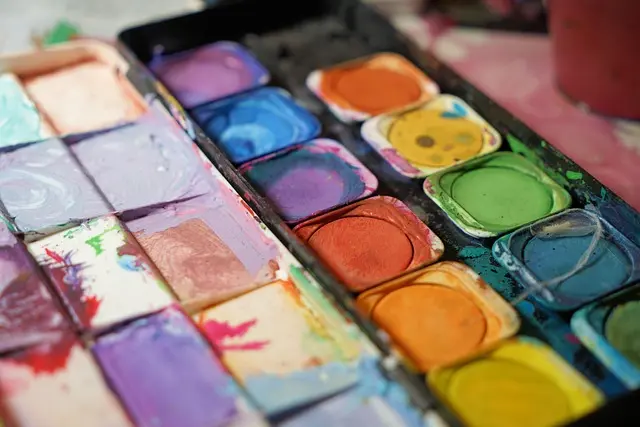
One of the most significant steps for new artists is to embrace experimentation. Trying out different mediums, styles, and techniques can lead to unexpected and delightful results. For example, an artist who primarily works with watercolours may decide to dabble in oil painting or digital art. Experimentation allows artists to break outside their comfort zones and discover aspects of their creative selves that they might not have recognised otherwise. It's essential not only to change mediums but also to alter perspectives—sketching a scene from an unusual angle can spark fresh ideas and inspire new styles. Remember, the goal is to explore rather than to achieve perfection.
Study Influential Artists
Learning from influential artists can provide invaluable insights into developing your unique style. Take the time to research various artists whose work resonates with you, whether classical masters like Vincent van Gogh or contemporary creators like Yayoi Kusama. Analyse their techniques, colour palettes, and the emotions they evoke. By understanding their methods, you can adopt elements that resonate with you while adding your unique touch. It’s not about copying but rather about gathering inspiration and synthesising these influences into your artistic voice.
Create a Mood Board
A practical tool that can aid in defining one's artistic style is a mood board. This board can be physical or digital, and it serves as a visual representation of themes, colours, styles, and images that inspire you. For instance, if your artworks typically explore nature, your mood board might feature earthy tones, textures, and images of landscapes. Using platforms like Pinterest or traditional collage methods, a mood board helps you visualise your artistic inclinations and guides you as you create. Additionally, it’s a great tool for tracking shifts in your preferences over time.
Practice Regularly
Regular practice is key to developing any skill, including art. Allocate time each week for continuous practice. This can be done through sketches, paintings, or studying particular techniques. As the saying goes, "practice makes perfect," and the act of creating consistently allows you to refine your skills, identify your strengths, and work on areas needing improvement. According to a study from Fine Art America, artists who dedicate at least five hours a week to their craft are significantly more likely to develop a distinct style compared to those who practice sporadically.
Seek Feedback
Constructive feedback is an essential part of artistic growth. Don’t hesitate to share your work with trusted peers, mentors, or even audiences online. Feedback can shed light on aspects of your art that you might not see, including strengths and areas for enhancement. Consider joining local art groups or online forums to interact with like-minded individuals. The artist community can offer encouragement and fresh perspectives that might directly influence your evolving style. Keep in mind that not all feedback will resonate with you, and it’s important to filter comments based on your vision as an artist.
Reflect on Your Work
After creating a series of artworks, take time to reflect on your work. Identify which pieces resonate most deeply with you and think about what commonalities they share. This reflection can reveal patterns in your preferences, whether in colour choices, themes, or techniques. Keeping a journal to document your thoughts can further articulate your artistic intent. Art is not merely about the final product; it is also about understanding your evolution as an artist.
Document Your Journey
Documenting your artistic journey can be a powerful motivational tool. Maintain a portfolio that captures your work, sketches, and exploration notes. This not only records progress but also allows you to celebrate milestones and reflect on your growth. Over time, reviewing past works can help you recognise your development and how your style has shifted and matured.
Stay Informed on Trends
Art is ever-evolving, and being aware of current trends can influence your work. While it's essential to cultivate a personal style, being informed about what's popular in the art community can help you identify areas where your style can intersect with contemporary themes. Attend art shows, exhibitions, and online webinars or follow influencer artists on social media. This knowledge does not constrict creativity; rather, it can provide new contexts and ideas for your expression.
Collaborate with Others
Engaging in collaborative projects can introduce new techniques and ideas to your artistic repertoire. Working with other artists allows for the exchange of techniques, styles, and insights. It’s an enriching experience that challenges your creativity and exposes you to new ways of thinking. Whether it's a community mural project or an online group artwork, collaborations are essential for growth and can facilitate the discovery of a distinctive style.
📺 For Further Exploration:
Explore [Unique Artistic Styles Unveiled], a comprehensive analysis of ways to cultivate your artistic voice. Search on YouTube: "how to develop unique artistic style proposals".
Glossary
| Terme | Définition |
|---|---|
| Artistic Medium | La substance utilisée pour créer une œuvre d'art (ex: peinture, sculpture). |
| Composition | La manière dont les éléments artistiques sont organisés dans une œuvre. |
| Style Artisanal | Un ensemble distinct de caractéristiques qui identifient le travail d'un artiste. |
Checklist for Developing Your Unique Artistic Style
- [ ] Embrace experimentation with different mediums.
- [ ] Study and analyse influential artists.
- [ ] Create and regularly update your mood board.
- [ ] Dedicate time for consistent practice.
- [ ] Seek constructive feedback from peers and mentors.
- [ ] Reflect on the commonalities in your works.
- [ ] Maintain a documented portfolio of your journey.
- [ ] Stay updated with current art trends and styles.
- [ ] Engage in collaborative projects with other artists.
🧠 Quick Quiz: What is the most effective way to discover your artistic style?
- A) Following trends strictly
- B) Experimentation and personal reflection
- C) Sticking to one medium only
Answer: B — Experimentation and personal reflection foster unique creative growth.
📺 Pour aller plus loin : how to develop unique artistic style proposals sur YouTube