Contents (24 sections)
Finding your artistic identity is an essential journey for any creative individual. It involves the exploration of personal style, philosophical inclinations, and emotional expression through art. Not only does defining your identity play a crucial role in your artistic growth, but it also enhances how your audience perceives and connects with your work. In recent years, many artists have grappled with saturation in the creative space, making the need for a distinctive voice even more pertinent. This article will guide you through essential tips to help unveil and develop your artistic identity.
1. Explore Your Influence
Understanding Influence and Its Impact
Your artistic identity is often a culmination of your influences. This includes the artists you admire, the styles you are drawn to, and even the themes that resonate with you. To begin establishing your identity, take some time to analyse the work of artists you admire. Notice what aspects of their art inspire you—whether it’s their technique, subject matter, or emotional depth.
Tips to Identify Influences
- Create a Vision Board: Collect images, quotes, and pieces of art that inspire you. This visual representation helps clarify your preferences.
- Write a Reflection: Dedicate a page to jot down what you admire about selected works. This reflection will guide you in defining your artistic principles.
- Diversify Your Exposure: Explore different art forms, cultures, and historical movements. Each exposure expands your horizon and influences your perspective.
By understanding what influences you, you can begin to weave these elements into your own work while still adding your unique spin.
2. Experiment with Different Mediums
The Importance of Exploration
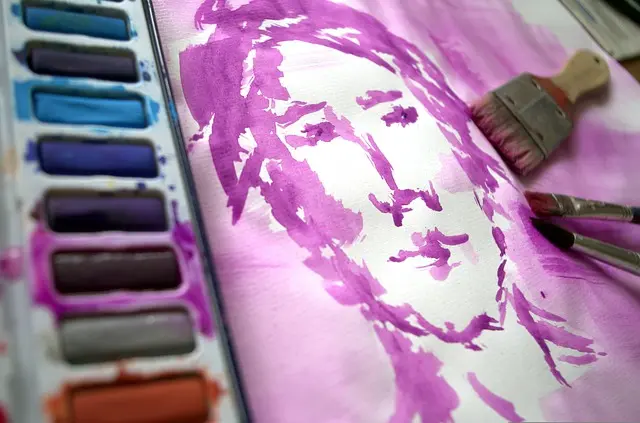
Experimentation is key to discovering your artistic identity. Trying out various mediums—be it oil painting, digital art, photography, or sculpture—can reveal your strengths and preferences as an artist. Embrace the unknown; it is in these explorations that you may stumble upon your true passion.
Practical Steps for Experimentation
- Set Up Mini Projects: Choose a new medium and dedicate a limited scope project to this exploration. For example, create a series of three paintings in watercolour while using the same subject matter.
- Join Workshops: Participating in creative workshops can expose you to various techniques and styles. You’ll not only learn but also connect with fellow creatives.
- Document Your Processes: Keep a journal of your experiments, including your feelings and thoughts during the creation. This documentation can provide insights into what resonates.


3. Develop a Personal Narrative
Why Storytelling Matters
Every artist has a story that influences their work. Establishing a personal narrative helps to create a connection between your art and your audience. Understanding your motivations, experiences, and the emotions that inspire you allows for greater authenticity in your expression.
Tips for Crafting Your Narrative
- Reflect on Your Journey: Dedicate time to consider what events and experiences have shaped you as an artist. Write these down as they will inform your artwork.
- Identify Key Themes: Identify recurrent themes in your work and consider why they hold significance. This addition will deepen the viewer's understanding of your art.
- Share Your Process: Use platforms like Instagram or a personal blog to share your journey. Engaging with your audience fosters a community that appreciates your unfolding narrative.
4. Seek Feedback and Iterate
Constructive Criticism as a Tool
Receiving feedback is a crucial part of refining your artistic identity. Engaging with art communities, whether online or local, can provide invaluable insights into your work. Constructive criticism is often the catalyst for growth and deeper self-awareness.
How to Effectively Gather Feedback
- Participate in Critique Sessions: Look for local art groups that offer critique sessions. This is a safe space to share your work and evolve through peer feedback.
- Be Open-Minded: Maintain an open mind when receiving feedback. While not all opinions may resonate, consider them as opportunities for growth.
- Hit the Reset Button: If a particular piece does not resonate with viewers, don’t be disheartened. View it as a stepping stone and iterate on your approach.
5. Embrace Authenticity
The Power of Being True to Yourself
Ultimately, your artistic identity should reflect who you are. This authenticity creates resonance with your audience, as viewers are drawn to genuine expression. Trying too hard to follow trends or expectations can suppress your individual voice.
Steps to Embrace Authenticity
- Stay True to Your Vision: Resist the urge to follow trends that don’t resonate with your core beliefs or aesthetic. Focus instead on your own vision and style.
- Celebrate Uniqueness: Embrace the quirks and nuances that make you unique as an artist. These characteristics differentiate your work in a saturated market.
- Keep Evolving: Understand that your identity will evolve over time. Stay open to change while ensuring your core values remain intact.
Checklist for Finding Your Artistic Identity
- [ ] Evaluate and list your artistic influences.
- [ ] Experiment with at least three different mediums.
- [ ] Develop a personal narrative connected to your art.
- [ ] Gather feedback from trusted peers and iterate on your work.
- [ ] Reflect on your authenticity and remain true to your vision.
📺 Resource Video
> 📺 For further insights, watch a comprehensive analysis titled 'Finding Your Artistic Voice: A Creative Journey'. Search on YouTube: how to discover your artistic identity 2026.
Glossary
| Term | Definition |
|---|---|
| Artistic Identity | The unique characteristics and themes that define an artist’s work and style. |
| Medium | The materials or techniques used in creating art, such as paint, digital tools, or photography. |
| Narrative | The underlying story or message conveyed through an artist’s work, often rooted in personal experience. |
Frequently Asked Questions
What is artistic identity?
Artistic identity refers to the unique expression of an artist’s personality, influenced by their experiences, beliefs, and artistic choices.
How do I find my artistic style?
Finding your artistic style involves exploring different mediums, reflecting on your influences, and experimenting with various techniques.
How important is feedback in developing my art?
Feedback is essential as it provides fresh perspectives, encourages growth, and helps shape your artistic journey.
Can my artistic identity change over time?
Yes, artistic identity can evolve as you grow and change in your personal and professional life, reflecting new experiences and insights.
📺 Pour aller plus loin : how to discover your artistic identity 2026 sur YouTube
Recommended products
Selected by our experts
Kruskis Crab Logo Short Sleeve T-shirt Denim Blue 3XL Men
waveinn.com
This t-shirt is a great way for artists to wear their passion and express their unique identity while working.
Sentier Fragrance Galerie - 10ml
sentierfragrance.com
This fragrance can inspire creativity and help set the mood for artistic work, mixing scents with artistic identity.
Sentier Fragrance Galerie - 10ml
sentierfragrance.com
A unique scent that captures the essence of creativity and individuality, perfect for the artist looking to enhance their environment.