Contents (12 sections)
A well-crafted artist portfolio is an essential tool for any artist looking to showcase their talent. In a world where visual communication is paramount, an online portfolio can serve as your calling card, giving potential clients and galleries a glimpse into your skills and style. In this guide, we will explore essential tips for creating a professional artist portfolio, ensuring that you stand out in a competitive field.
1. Define Your Artistic Identity
Before you start assembling your portfolio, it’s crucial to define your artistic identity. This clarity will guide you in selecting works that best represent your style and creative vision. Reflect on the following questions:
- What themes emerge in your work?
- What mediums do you prefer to use?
- Who is your target audience?
For instance, if you define yourself as a contemporary landscape artist focusing on sustainability, your portfolio should convey this theme clearly. Consider including a brief artist statement to complement your work, explaining your creative philosophy and the inspirations behind your pieces. A thoughtful artist statement not only adds depth but also helps curators and clients connect with your vision.
2. Select Your Best Works
When curating your artist portfolio, quality over quantity should be the guiding principle. Aim for a selection of your finest work, rather than attempting to showcase everything you’ve ever created. Here are some practical tips:
- Choose pieces that highlight your technical skills and creative range.
- Include different styles or series to demonstrate versatility, but ensure they align with your artistic identity.
- Limit your selection to around 10-20 pieces; this keeps your portfolio focused and digestible.
For example, if you’re a mixed media artist, you might present works that incorporate both traditional and digital techniques, showcasing how you blend different mediums. Remember, it’s better for your portfolio to be concise and powerful than overwhelming.


Portfolio "fold clear" pour apple ipad pro 12,9" (5ême génération/2021) noi
Darty FR
3. Consider the Presentation
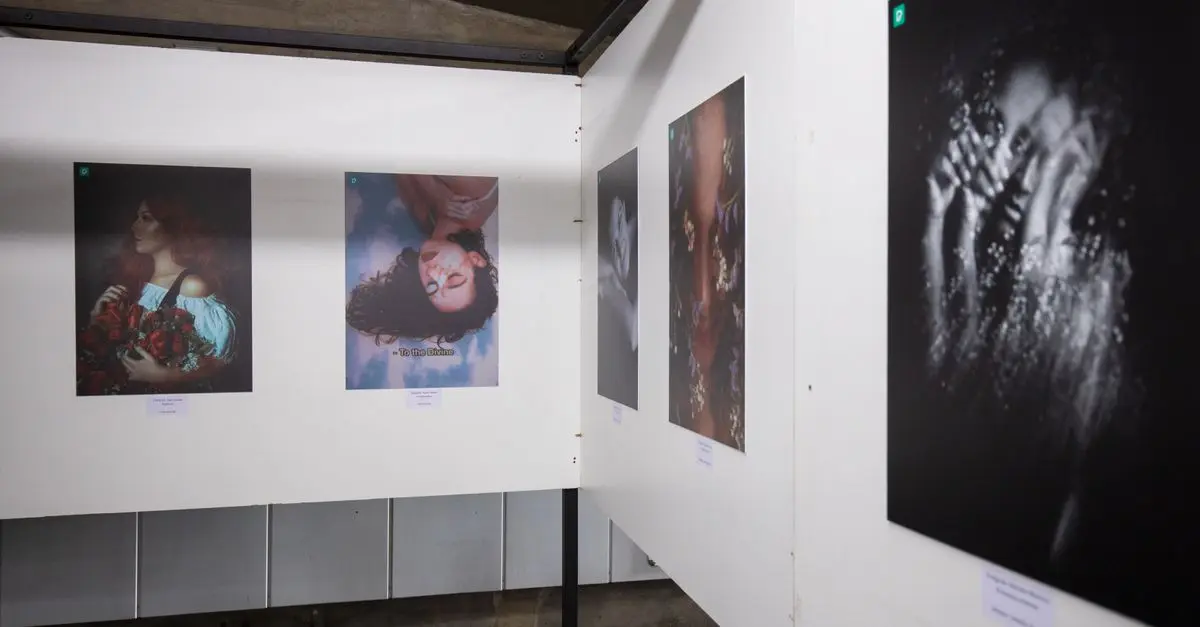
How your works are presented greatly impacts the viewer's experience. As you compile your portfolio, consider the following:
- Use high-quality images that accurately represent your work and maintain consistent lighting.
- If you’re displaying your portfolio online, use a clean, simple layout that allows your art to take centre stage.
- For physical portfolios, invest in high-quality printing and binding to create a professional aesthetic.
It’s also important to ensure that each piece is presented in a way that highlights its key features. Employ cropping techniques wisely to direct attention. A good presentation not only elevates your works but also reflects your professionalism.
4. Engage Your Audience with Context
Including descriptions alongside your artwork can enhance the viewer's understanding and connection to your work. These descriptions might include:
- The concept or story behind each piece.
- Technical details about the medium and process used.
- Any exhibitions or awards the work has received.
For instance, instead of simply stating the title of an artwork, elaborate on the themes or motivations tied to it. This context not only engages your audience but also demonstrates thoughtfulness and intention in your art-making process.
5. Update Regularly
Your artist portfolio should be a living document that evolves with your career. Make it a habit to revisit and update your portfolio regularly by:
- Adding new work that better reflects your current style and skills.
- Removing older pieces that may no longer align with your artistic identity.
- Reviewing your layout and presentation to ensure it remains fresh and engaging.
Regular updates can help you stay relevant and can reflect your artistic growth over time. As you progress, your portfolio should capture your journey and evolution as an artist, emphasising growth and improvement.
6. Seek Feedback
Often, our perception of our work can be biased. Seeking feedback from peers or mentors can provide valuable insights that you may not have considered. Here are ways to gather constructive feedback:
- Share your portfolio with trusted colleagues or friends who understand your field.
- Consider attending portfolio review sessions, which can provide different perspectives from professionals in the industry.
- Always be open to constructive criticism; it can guide your improvement.
Feedback can also reveal inconsistencies in how your work is perceived. An outsider’s view can help you refine your portfolio further.
7. Promote Your Portfolio
Creating a stunning portfolio is just the first step; you must then promote it. Utilize various platforms, such as:
- Instagram or Pinterest, to showcase your art and link back to your portfolio.
- Art-related websites or forums to share your work with a targeted audience.
- Online galleries or exhibition opportunities that allow you to grow your presence.
Engaging with your audience through social media can also help build a following and attract attention to your portfolio. Consistency in promotion can establish your identity as an artist in the digital world.
Checklist before Launching Your Portfolio
- [ ] Define your artistic identity clearly.
- [ ] Curate 10-20 of your best works.
- [ ] Ensure high-quality images are used and well-presented.
- [ ] Provide engaging context for each piece.
- [ ] Regularly update with new works.
- [ ] Seek feedback from trusted sources before finalising.
- [ ] Promote your portfolio effectively.
Glossary
| Terme | Définition |
|---|---|
| Artistic Identity | Your unique style, themes, and visual language as an artist. |
| Curate | To select and arrange artworks thoughtfully in your portfolio. |
| Presentation | The way in which your artworks are displayed, impacting viewer perception. |
📺 Ressource Vidéo
> 📺 Pour aller plus loin : Creating a compelling artist portfolio, une analyse complète de la création de portfolios d'art. Recherchez sur YouTube : "how to create an artist portfolio 2026".
🧠 Quiz rapide : Quel élément est le plus crucial pour un portfolio d'art ?
- A) La quantité des œuvres
- B) La qualité et la présentation
- C) La diversité des styles
Réponse : B — La qualité et la présentation sont essentielles pour faire une bonne impression.
📺 Pour aller plus loin : how to create an artist portfolio 2026 sur YouTube
Recommended products
Selected by our experts
Graphic Design & Web Design Master Training Bundle
Learning 24/7
This training bundle enhances your design skills, providing excellent resources for creating aesthetic portfolio layouts.
Adobe CC Creative Cloud Master Training Bundle
Learning 24/7
Master Adobe CC tools to refine your digital art presentations, crucial for elevating your online portfolio.
Portfolio "fold clear" pour apple ipad pro 12,9" (5ême génération/2021) noi
Darty FR
This portfolio case is perfect for physical presentations, ensuring your art is displayed professionally.