Contents (12 sections)
Art is a journey that begins with foundational skills and techniques. Whether you are just starting out or looking to refine your existing skills, understanding the essential techniques for new artists is crucial for creativity and expression. Below, we explore vital techniques that every emerging artist should consider mastering.
1. Understanding Colour Theory
Colour plays a significant role in art, influencing not only the aesthetics of a piece but also its emotional impact. Colour theory is a fundamental skill for new artists. It encompasses the study of how colours interact and the relationships they share. For instance, complementary colours can create contrast and vibrancy, while analogous colours can offer harmony and unity.
To begin, artists should familiarise themselves with the colour wheel, which illustrates primary, secondary, and tertiary colours. According to a study by the University of the Arts London, understanding colour theory can enhance an artist's visual communication significantly. Experimenting with colour mixing and different palettes can also lead to the discovery of a unique personal style.
2. Mastering Composition
Composition is the arrangement of elements within an artwork, determining how the viewer's eye moves across the canvas. A strong composition can significantly elevate a piece of art. New artists should learn about the rule of thirds, asymmetry, and balance to create engaging pieces.
For instance, placing focal points along the lines or intersections of a divided canvas can create a sense of interest and movement. Additionally, understanding negative space—the area around and between the subjects—can enhance the overall impact of the artwork. By practising these compositional techniques regularly, artists will develop an intuitive sense for creating visually appealing art.
3. Drawing Fundamentals
Drawing is often considered the backbone of all visual art. Developing strong drawing skills is essential for artists wishing to communicate their ideas more effectively. Basic techniques such as contour drawing, hatching, and shading provide a foundation for more complex artworks.
Practice sketching everyday objects to improve observational skills and dexterity. Holding life drawing sessions—where artists draw from live models—can also assist in understanding form, proportion, and gesture. Research shows that consistent drawing practice can lead to significant improvement in artistic ability within months.
4. Exploring Different Mediums
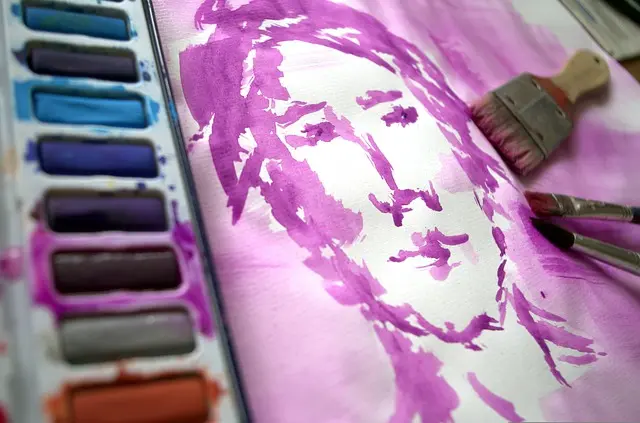
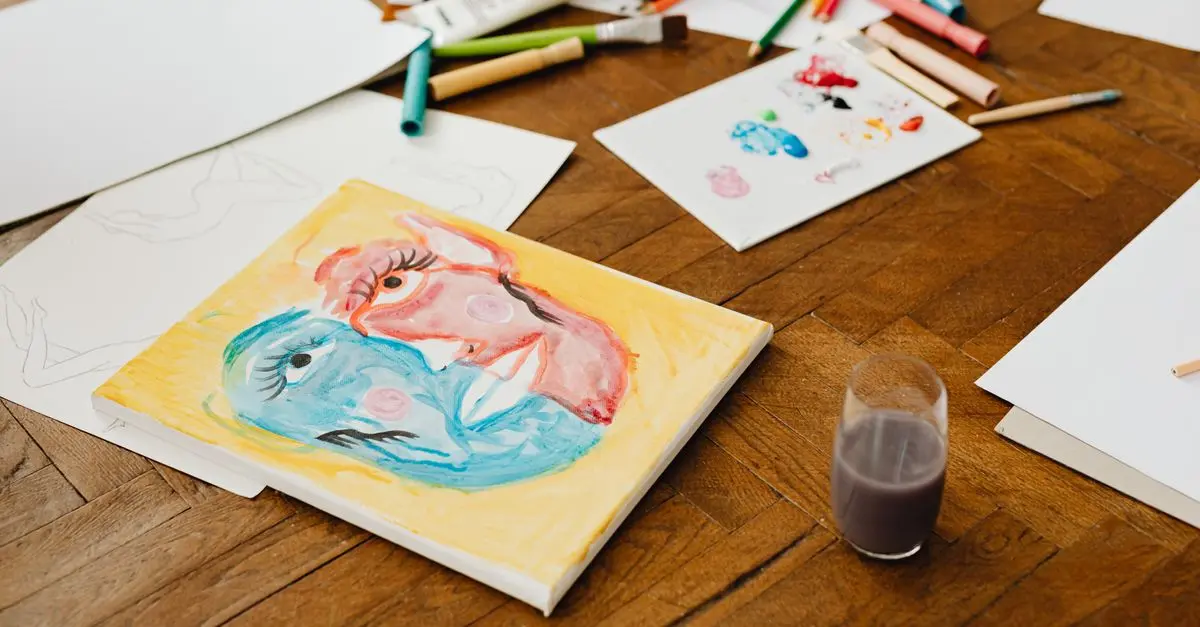
There are a plethora of artistic mediums available, and each offers unique possibilities for expression. New artists should experiment with various mediums, such as watercolour, acrylic, oil, and charcoal, to discover what resonates most.
For instance, watercolour allows for delicate washes and transparency, whereas oil offers richer textures and longer drying times for blending. Exploring different materials can also inspire creativity and innovation. Artists might find that certain materials present challenges which push their skills further.
5. Learning the Basics of Perspective
Perspective is a technique that allows artists to create the illusion of depth in a two-dimensional space. Mastering basic perspective techniques—such as one-point and two-point perspective—can significantly improve the realism in an artwork.
Understanding vanishing points and horizon lines is crucial. These concepts enable artists to depict architectural elements and landscapes more convincingly. Practising perspective drawing in urban or natural environments will enhance spatial awareness and realism in their work.
6. Incorporating Texture
Texture adds another layer of complexity to art, allowing for the visual representation of surface quality. New artists should explore different techniques to create texture within their works, whether through brush strokes, the layering of materials, or the use of mixed media.
For example, palette knives can create bold textures in acrylic painting, while collage techniques can add depth to drawings or paintings. Understanding how to incorporate texture can help artists evoke emotion and interest within their artwork.
7. Developing Personal Style
While learning essential techniques, it's important not to lose sight of developing a personal artistic style. Every artist has a unique perspective and approach to art, and embracing this individuality can lead to truly original work. New artists should reflect on their influences—whether from art history, culture, or personal experiences—to define their artistic voice.
Keeping a sketchbook for spontaneous ideas, concepts, and explorations will also foster creativity. Over time, trends and themes will emerge, guiding the development of a consistent style.
8. Seeking Feedback and Critique
Lastly, feedback is a powerful tool for growth. New artists should actively seek constructive critiques from peers, mentors, or local art communities. Engaging in critiques can provide fresh perspectives on their work, informing improvements and developments.
Visual art is subjective; what may seem clear to the artist might be interpreted differently by viewers. Therefore, understanding how others perceive artwork can be enlightening. Many art schools and community centres offer forums and exhibitions where artists can showcase their work and receive feedback.
📺 For further exploration:
Look into various painting techniques and methods for beginners. Search on YouTube: "essential techniques for new artists".
Glossary
| Terme | Définition |
|---|---|
| Couleur | Elément visuel essentiel en art, influençant l'humeur et la perception. |
| Composition | Arrangement des éléments d'une œuvre, influençant l'impact visuel. |

National Gallery The Sixteenth Century Netherlandish Paintings with French Paintings before 1600
nationalgallery.co.uk
Checklist avant d'acheter
- [ ] Vérifier l'importance de chaque technique
- [ ] Explorer différents médiums artistiques
- [ ] Pratiquer le dessin quotidiennement
- [ ] Chercher des retours constructifs sur mon travail
- [ ] Identifier ma propre voix artistique
Incorporer ces techniques essentielles dans votre pratique artistique peut jouer un rôle déterminant dans votre croissance. Prenez le temps d'explorer, de pratiquer et de vous exprimer. Nous avons sélectionné plusieurs produits adaptés pour soutenir votre démarche artistique, découvrez nos recommandations ci-dessous.
📺 Pour aller plus loin : essential techniques for new artists sur YouTube
Recommended products
Selected by our experts
National Gallery The Sixteenth Century Netherlandish Paintings with French Paintings before 1600
nationalgallery.co.uk
This collection features works by influential artists, providing a strong visual reference for understanding historical techniques.