Contents (10 sections)
Marketing your art is crucial for success in today's competitive landscape. With countless talented artists vying for attention, ensuring that your work stands out requires strategic planning and execution. This article outlines essential strategies to elevate your artistic brand and connect with a wider audience, integrating both traditional and digital marketing techniques.
1. Understand Your Audience
Before you begin marketing your art, it’s essential to identify and understand your target audience. Who are the people most likely to appreciate and invest in your artwork? This may involve demographic research to pinpoint age groups, interests, and buying behaviours.
Consider using tools such as surveys or social media analytics to gain insights into your audience's preferences and motivations. For instance, if you discover that your art appeals predominantly to young professionals, tailor your messaging and platforms accordingly, perhaps favouring Instagram or LinkedIn over Facebook. Moreover, according to a report by Art Basel (2025), over 60% of art buyers engage with artists via social media before making a purchasing decision. Understanding your audience not only shapes your marketing strategy but also influences the content you create, ensuring it resonates with potential buyers.
2. Build Your Online Presence
In an era where the digital space reigns supreme, building a robust online presence is non-negotiable for artists. Start by creating a professional website that showcases your portfolio, artist statement, and contact information. A visually appealing and user-friendly website can act as your central hub, directing potential buyers and collectors to view your work directly.
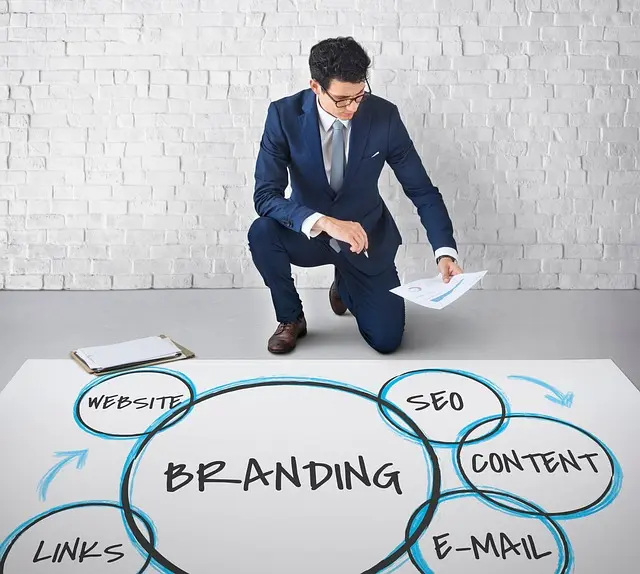
Utilise platforms like Squarespace or Wix to create a visually striking site without needing extensive web design skills. Additionally, invest time in search engine optimisation (SEO) to improve your visibility on search engines, making it easier for potential customers to find you. Regularly update your blog with insights into your creative process or thoughts on current art trends; this can enhance your authority and keep visitors engaged.
Furthermore, establishing an active presence on social media platforms helps in promoting your art effectively. Share behind-the-scenes content, engage with followers, and network with other artists. Tools such as Buffer or Hootsuite can streamline your social media management, helping maintain a consistent engagement. Ensure you cross-promote your artwork across all platforms to tap into varied audiences and consistently draw attention to your creative endeavours.


3. Leverage Email Marketing
Despite the rise of social media, email marketing remains one of the most effective tools for reaching your audience. It's a direct line to your supporters, enabling you to share new pieces, upcoming exhibitions, and exclusive offers. Start by building an email list through your website, offering visitors a reason to subscribe, such as a free downloadable print or exclusive access to a new collection.
Once you have a list, segment your audience to tailor your messaging. For instance, frequent buyers might appreciate exclusive sneak peeks into new collections or private sales, while casual followers might prefer updates on upcoming events or exhibitions. According to Campaign Monitor (2025), email marketing can yield an average return of £38 for every £1 spent, proving its worth as a marketing strategy. Ensure your emails are visually appealing and include clear calls to action, encouraging readers to visit your site, follow you on social media, or purchase artwork directly.
4. Collaborate with Other Artists and Influencers
Partnerships can amplify your reach and introduce your art to new audiences. Engaging with fellow artists for collaboration can diversify your work and merge different styles to create something unique. Pop-up galleries or joint exhibitions allow you to tap into each other's networks, effectively broadening your reach.
Influencer marketing is another powerful strategy. Connect with micro-influencers in the art sphere who appreciate your work and can authentically promote it to their followers. This doesn't necessarily mean you need to engage with high-profile influencers; sometimes, smaller accounts with very engaged follower bases can yield better results. According to a study by HypeAuditor (2026), collaborations can improve your engagement by over 70%, making it a worthwhile strategy for artists looking to increase visibility.
5. Focus on Quality and Consistency
While marketing is critical, the quality of your artwork is paramount. Always strive to produce your best work and be consistent in your style and branding. Developing a recognisable style can help establish your identity among collectors and fans, making your art instantly identifiable.
Moreover, consistency in how you present yourself across platforms builds trust and reliability. Whether it's your website, social media, or in-person exhibitions, having a cohesive brand presence will help reinforce your identity as an artist. This is pivotal in cultivating loyalty among your audience and ensuring they return for new works.
6. Engage in Art Shows and Exhibitions
Participating in art shows and exhibitions provides an excellent opportunity for exposure. These venues allow you to showcase your work to a broader audience, including potential buyers, critics, and professionals in the art world. You can also network with other artists and gather insights into industry trends.
Consider applying to both local and national art fairs; many of these events actively promote participating artists, enhancing your visibility. Furthermore, engaging with visitors during exhibitions can provide valuable feedback on your work and help forge connections that can lead to future sales. According to the London Art Fair (2026), artists who actively engage with visitors during exhibitions see a 50% increase in their chances of making sales compared to those who do not.


CIW Internet Business Associate Online Training with Exam (1D0-61A)
Learning 24/7

Checklist before Marketing Your Art
- [ ] Identify your target audience.
- [ ] Create a professional website.
- [ ] Build and segment your email list.
- [ ] Engage with fellow artists for collaborative opportunities.
- [ ] Regularly update your social media platforms.
Glossaire
| Terme | Définition |
|---|---|
| SEO | Optimisation pour les moteurs de recherche ; techniques pour améliorer la visibilité d'un site web. |
| Email Marketing | Stratégie de communication par courriel pour promouvoir des produits ou services. |
| Influenceur | Personne qui a le pouvoir d'affecter les décisions d'achat d'autres par ses recommandations.
📺 Pour aller plus loin : Comment utiliser Instagram pour vendre votre art, une analyse complète de la manière dont les artistes peuvent profiter de cette plateforme visuelle. Recherchez sur YouTube : "marketing your art on Instagram 2026".
Quiz rapide :
> 🧠 Quiz rapide : Quelle est l'importance du marketing par email pour les artistes ?
> - A) Peu importante
> - B) Très importante
> - C) Éventuellement importante
> Réponse : B — Le marketing par email est une méthode directe et efficace pour atteindre un public ciblé et maintenir des relations avec les acheteurs.
📺 Pour aller plus loin : marketing your art on Instagram 2026 sur YouTube
Recommended products
Selected by our experts

TCL 75A300W-UK TV 190.5 cm (75") 4K Ultra HD Smart TV Wi-Fi White 450 cd/m²
Back to the Office