Contents (11 sections)
Starting an art business can be a rewarding venture, but it requires careful planning and execution. In this guide, we will walk you through the essential steps to ensure your art business is launched successfully, enabling you to turn your passion into profit.
1. Define Your Artistic Niche
Before you dive into the logistics of running a business, you first need to clearly define your artistic niche. This is crucial as it helps to differentiate you in a saturated market. Whether you are a painter, sculptor, or digital artist, you should identify what makes your work unique and appealing to potential customers. What themes do you explore? Are there specific techniques you specialise in?
For example, according to a survey by Artfinder, 69% of buyers are more likely to purchase from artists with a defined style. Take inspiration from successful artists in your field and consider how you can carve out your own space in the market. Lead with your passion but balance it with business strategy; knowing your niche allows you to effectively target your audience and tailor your marketing efforts.
2. Create a Business Plan
Once you have defined your niche, it's time to draft a comprehensive business plan. This document should outline your business goals, strategies for reaching those goals, and the resources needed. A well-structured business plan not only helps you keep your business on track but is also essential if you seek funding from banks or investors.
Below are the critical components to include in your business plan:
- Executive Summary: A brief summary of your business and what you aim to achieve.
- Market Analysis: Analyze your target market, including potential customers and competitors.
- Marketing Strategy: Detail how you plan to promote your art (social media, exhibitions, etc.).
- Financial Projections: Include your estimated income and expenses to show the viability of your business.
- Operational Plan: Outline your day-to-day functioning, including where you’ll work, how you will source materials, and your production processes.
Creating this plan is a step towards setting yourself up for sustained success, ensuring you have clear benchmarks to review your progress continuously.
3. Develop Your Brand Identity
A strong brand identity is vital for establishing recognition and trust among your audience. This includes your logo, colour schemes, website design, and even the tone of voice you use in all your communication. Research indicates that having a cohesive brand can increase revenue by up to 23% (source: Lucidpress).
Start by designing a memorable logo that reflects your artistic style, and select colours that resonate with your niche. Your website should not only showcase your portfolio but also include an e-commerce section where people can purchase your art directly. Consider using platforms like Shopify to make transactions seamless.
4. Establish Your Online Presence
In today's digital age, having a robust online presence is indispensable. This involves building a professional website and establishing your accounts on social media platforms such as Instagram and Pinterest, where visual content thrives.
Your website should be an extension of your art business, displaying your portfolio, offering an option to purchase works, and providing blog content that can engage visitors and improve your search engine rankings. Regularly update your blog with posts related to your artistic journey, art techniques, and insights into the industry.
Social media, on the other hand, allows you to connect directly with your audience. Share behind-the-scenes looks at your creative process, engage with your followers, and showcase your works. Engaging content is key; it encourages shares and boosts your visibility.
5. Network within the Art Community
Networking is essential for any art business. Connecting with other artists, galleries, and potential buyers can open doors to new opportunities. Attend local art events, exhibitions, and workshops to meet fellow artists and art lovers. Building these relationships can lead to collaborations and exhibitions that enhance your visibility and credibility.
Furthermore, consider joining online art forums and groups where you can share experiences, ask for advice, and promote your works. Being active in these communities not only expands your reach but can provide invaluable insights to help you grow.
6. Launching Your Art Business
When you feel prepared, it’s time to launch your art business officially. This can be a grand event or a simple online announcement—what’s important is that you generate excitement. Use social media and your email list to announce your launch, sharing news about where to find your art and any introductory offers.
For instance, you could run a promotional campaign offering discounts on your artworks for early buyers. Consider live-streaming your launch event on platforms like Instagram or Facebook to engage your audience in real-time.
Checklist Before Launching Your Art Business
- [ ] Define your artistic niche
- [ ] Draft a comprehensive business plan
- [ ] Develop your brand identity
- [ ] Establish your online presence
- [ ] Network within the art community
- [ ] Plan and execute your launch
Glossary
| Terme | Définition |
|---|---|
| Art Niche | Un domaine spécifique dans lequel un artiste se spécialise, différenciant son travail des autres. |
| Brand Identity | Ensemble des éléments visuels et communicationnels qui représentent une marque. |
| E-commerce | Système de vente de produits/services en ligne. |
📺 Resources Vidéo
> 📺 For Further Exploration: Explore art business fundamentals for a deeper understanding. Search on YouTube: "how to launch an art business 2026".
🧠 Quick Quiz: What is the first step in launching an art business?
- A) Create a website
- B) Define your art niche
- C) Market your artwork
Answer: B — Defining your art niche sets the foundation for everything else.
By following these essential steps and keeping your focus on your art, you will be well on your way to launching a successful art business! Remember, it takes time, dedication, and passion.
Recommended Products
- Samsung Galaxy Book4 Edge: A powerful laptop for creating digital art on the go.
- HP RNW Business 14.1 Laptop Bag: Perfect for carrying your laptop and art supplies to events and exhibitions.
- Samsung Galaxy Book4 Edge 16”: An optimal choice for artists who need a reliable device for processing designs.
(You may add more items as needed).
📺 Pour aller plus loin : how to launch an art business 2026 sur YouTube
Recommended products
Selected by our experts


Samsung Galaxy Book4 Edge Qualcomm Snapdragon X 16GB RAM 256GB UFS 15.6" Windows 11 Home Copilot+ Laptop - Sapphire Blue
Back to the Office
Digital pvc id card Business Card Printer HITI CS200E PVC card printer
Alibaba UK
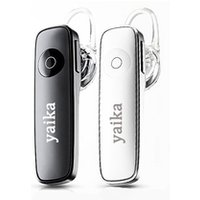
Best seller business gift bluetooth earphone in-ear stereo wireless bluetooth earphone single earbud
Alibaba UK

Wireless Earpiece V4.1 Ultralight Business Earphones Hands Free Earbuds Waterproof with Mic
Alibaba UK
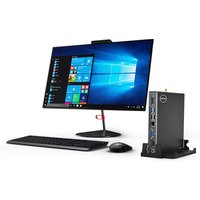
X86 micro computer barebone desktop Kayblake 6th core i7 6500U MSATA SSD 4K Intel mini desktop business pc
Alibaba UK