Contents (11 sections)
What is Artistic Style?
Artistic style refers to the distinctive way in which an artist expresses themselves through their work. It encompasses elements such as technique, medium, subject matter, and interpretation. Understanding your artistic style is crucial for developing a unique voice that resonates with both you and your audience. Emerging artists often struggle to identify their style, resulting in frustration or imitation of other artists. According to recent studies, over 60% of artists feel uncertain about their personal style at the beginning of their careers. This guide aims to provide practical steps to help you pinpoint and nurture your artistic style.
Step 1: Self-Reflection
The first step in discovering your artistic style is self-reflection. Take some time to think about your interests and what drew you to art in the first place. Consider questions like:
- What themes do I enjoy exploring?
- Which emotions do I want to evoke?
- What messages do I wish to convey through my art?
Start by keeping a journal where you can reflect on your artistic journey. Write down your thoughts, feelings, and aspirations. This process not only helps you understand yourself better but also reveals patterns that may indicate a developing artistic style.
Professional Tip: Actively seek inspiration from everyday life and experiences. Often, the most authentic artistic expressions come from personal narratives.
💡 Expert Insight: Many artists find clarity in defining their core themes or concepts, which consistently appear in their work over time.
Step 2: Explore Different Mediums
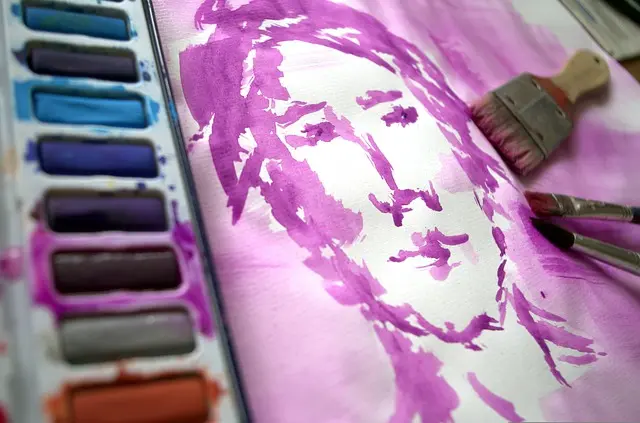
To truly discover your artistic style, it's essential to experiment with various mediums. Paint, draw, sculpt, and even digital media. Each medium has its unique characteristics and can influence your artistic expression in different ways.
For instance, painting may allow for vibrant colour experimentation, while charcoal might enable you to focus on texture and depth. Test out different techniques such as watercolour, acrylic, oil, or mixed media. Take note of what resonates with you.
Many successful artists often claim that experimenting with unfamiliar techniques has led them to discover their defining style. Spending time with several mediums also broadens your skill set and enhances creative flexibility.
Common Pitfall: Avoid getting stuck in one medium just because it feels comfortable. Embrace challenges and allow yourself the freedom to explore.
Step 3: Research and Inspiration
As part of your journey to find your artistic style, immersing yourself in research and inspiration is vital. Study renowned artists from various movements and genres—understand how they developed their unique styles. Look at everything from classical painters like Vincent van Gogh to contemporary artists like Yayoi Kusama.
Keep a collection of images, articles, and artwork that speaks to you. Platforms like Pinterest or Instagram can serve as excellent spaces to curate inspiration boards.
Moreover, visiting art galleries, attending workshops, or watching documentaries can offer new insights and broaden your understanding of varying artistic perspectives.
💡 Expert Insight: According to Tate Modern, exposure to diverse artworks enhances creativity and encourages personal style development.
Step 4: Experimentation
Build upon your research by entering the phase of experimentation. Start creating pieces that combine the techniques and themes you’ve discovered during your previous exploration. Don’t hesitate to take risks—intentionally break rules, mix colours wildly, or combine techniques that may not normally align.
Document your experiments; keep a record of what works, what doesn’t, and how each experiment feels to you. This process not only fosters creativity but also helps clarify what resonates with your artistic vision.
Essential Reminder: Artistic growth often comes from mistakes and unexpected outcomes. Embrace these as part of your journey.
Step 5: Seek Constructive Feedback
Once you have created a series of artworks, it's important to seek feedback. Reach out to fellow artists, mentors, or even art teachers who can provide valuable insights. Constructive criticism can guide your growth and reveal aspects of your work that you may not have considered.
Consider setting up a small exhibition with your peers or even hosting an online gallery to share your work. Engaging with an audience is an essential step in evaluating your style. Positive feedback will boost your confidence, while constructive criticism will guide you in refining your technique and discovering your unique artistic voice.
Expert Insight: According to research, artists who engage in peer critique sessions show a 30% faster development in their personal artistic style.
Checklist for Discovering Your Artistic Style
- [ ] Reflect on your personal inspirations and themes.
- [ ] Experiment with various mediums.
- [ ] Research influential artists and movements.
- [ ] Create diverse artworks based on your findings.
- [ ] Gather feedback from peers and mentors.
Glossary
| Terme | Définition |
|---|
| Artistic Style | La manière unique dont un artiste s'exprime à travers son travail.
| Medium | Le matériau ou la technique utilisée en art, tel que la peinture, le dessin ou la sculpture.
| Constructive Feedback | Retours qui aident à améliorer la qualité du travail artistique par des critiques utiles et bienveillantes. |
📺 For further exploration:
Watch our tutorial on discovering your unique artistic style. Search on YouTube: "how to find your artistic style".
📺 Pour aller plus loin : how to find your artistic style sur YouTube