Contents (24 sections)
In the vibrant world of art, developing a distinct style is crucial for emerging artists looking to leave a unique mark. A unique artistic style not only sets one apart from peers but also represents personal expression, making it an essential aspect of an artist's journey. This article explores ten key tips to help new artists cultivate their unique artistic style, guiding you through steps that encourage creativity, individuality, and growth.
1. Embrace Your Influences
Recognise and Integrate What Inspires You
Every artist is influenced by others, whether it be through techniques, philosophies, or specific artworks. To develop a unique artistic style, it is essential to embrace these influences. Identify artists, movements, or genres that resonate with you. For instance, if you find inspiration in Van Gogh's vibrant colours or Frida Kahlo's emotive self-portraits, try incorporating elements of their styles into your work. However, the goal is to reinterpret these influences through your personal lens. Embracing diversity in influences will enrich your work and contribute to the uniqueness of your artistic expression.
2. Experiment with Different Mediums
Discover What Resonates with You
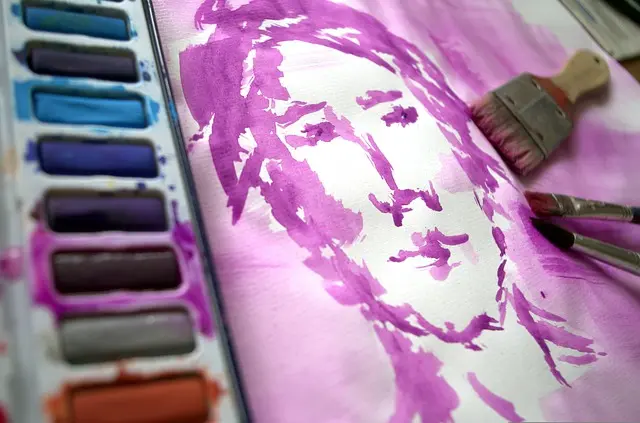
Understanding which mediums suit your style is fundamental. Experiment with various materials such as watercolours, oils, acrylics, and digital formats. Each medium offers distinct advantages and can lead to different stylistic approaches. For instance, oils may provide you with richness and depth, whereas watercolours can convey transparency and spontaneity. Try mixing mediums; combining photography with painting can lead to striking results. This exploration will help refine your technique and uncover what resonates most strongly with your artistic identity.

Trendi Artistic Modern Glossy Screwless Fused Spur Switch Silver
simplelighting.co.uk


Trendi 1 Gang 2 Way Artistic Modern Glossy Screwless 10 Amp Rocker Light Switch White
simplelighting.co.uk
3. Develop a Personal Colour Palette
Your Signature in Colours
Colour can dramatically influence the mood and impact of your artwork. By developing a signature colour palette, you can create a cohesive body of work. Start by selecting a few favourite colours and explore how they interact. For example, Monet is known for his soothing blues and greens, evoking calm and peace. Look at works you admire and note their colour schemes. Over time, use these colours consistently in your works, reinforcing your identity as an artist and making your pieces instantly recognisable.
4. Practice Regularly
The Power of Consistency
Consistency in practice is crucial for mastering your craft. Set aside time daily or weekly to create, even if it’s just doodling or sketching. Consistency not only hones your skills but also nurtures your creativity. According to a study by the Arts Council England (2025), regular practice enhances technique and boosts confidence in artistic abilities. As you grow more comfortable with your techniques, your individual style will naturally begin to emerge, influenced by your ongoing experiences and explorations.
5. Reflect on Your Work
Understanding Your Artistic Journey
After creating pieces, take time to reflect. What themes, styles, or techniques do you see recurring in your work? Document your reflections to track your growth. Understanding what resonates with you can provide insight into your emerging style. Consider keeping a journal or blog where you write about the inspirations behind your pieces and what you aimed to convey. This practice can illuminate patterns in your work, helping you articulate your style to others.
6. Seek Feedback from Peers
The Value of Constructive Criticism
Engaging with fellow artists and trusted friends for feedback can provide fresh perspectives on your artwork. Whether you're part of an art group or utilise online communities, sharing your work can lead to valuable insights. Constructive criticism can help identify strengths and areas for improvement that you may overlook. According to a survey by Creative Boom (2025), artists who actively seek feedback reported significant growth in their style and confidence. Use this to refine your approach while maintaining your authenticity.

Microsoft Exam 70-486: Developing ASP.NET MVC Web Applications Online Course
Learning 24/7
Trendi Artistic Modern Glossy Screwless Fused Spur Switch Silver
simplelighting.co.uk

Microsoft Exam 70-487: Developing Microsoft Azure & Web Services Online Course
Learning 24/7
7. Limit Your Style Choices
Focused Exploration
As an artist, it can be tempting to explore every possible style. However, limiting your choices can lead to deeper exploration and understanding. For a set period, focus on a specific technique or theme. This focus allows for mastery and can lead to unexpected developments in your unique style. For example, dedicating a month to abstract painting can push your boundaries and expose stylistic facets you may not have considered before.
8. Document Your Artistic Process
Create a Visual Diary
Keeping a record of your process not only helps in identifying stylistic trends but also tells a story about your growth as an artist. Take photographs of your works in progress, or create time-lapse videos of your painting process. This practice can serve as a source of inspiration and reflection, demonstrating your evolution over time. Additionally, sharing these insights on social media can engage your audience and allow them to appreciate your journey.
9. Attend Workshops and Classes
Continuous Learning
Participating in workshops or classes exposes you to new techniques and critiques from instructors. It’s also a networking opportunity, allowing you to connect with other creatives. Try choosing classes that challenge your current understanding or introduce mediums and methodologies outside your comfort zone. As you learn, you’ll find elements that inspire your personal style while gaining confidence in your skills. According to Art Nord (2026), artists who participate in regular workshops reported increased creativity and innovation in their work.
10. Be Authentic and Trust Your Instincts
Your Art is a Reflection of You
Above all, authenticity plays a significant role in developing your unique style. Trust your instincts and paint what resonates most with you, without overthinking how it will be received. Creating art that is true to your emotions and experiences often leads to the most compelling work. Remember, each artist’s journey is unique — your perspective is what makes your art distinct. Honour your experience and allow it to shine through in your work.
📺 Pour aller plus loin :
Watch inspiring artistic development videos on YouTube. Search for: 'tips for emerging artists 2026'.
Checklist
- [ ] Identify personal influences
- [ ] Experiment with different mediums
- [ ] Develop a signature colour palette
- [ ] Set a regular practice schedule
- [ ] Reflect on artwork and document your process
Glossaire
| Terme | Définition |
|---|---|
| Style artistique | Un ensemble de caractéristiques qui définissent le travail d'un artiste unique. |
| Palette de couleurs | Un choix spécifique de couleurs utilisées dans une œuvre pour créer une ambiance ou un thème. |
| Critique constructive | Feedback donné sur les œuvres d'art dans le but d'aider l'artiste à s'améliorer. |
---
📺 Pour aller plus loin : tips for emerging artists 2026 sur YouTube
Recommended products
Selected by our experts
Trendi 1 Gang 2 Way Artistic Modern Glossy Screwless 10 Amp Rocker Light Switch White
simplelighting.co.uk

Microsoft Exam 70-488: Developing SharePoint Server 2013 Core Solutions Online Course
Learning 24/7
Trendi Artistic Modern Glossy Screwless Fused Spur Switch Silver
simplelighting.co.uk

Trendi 1 Gang 2 Way Artistic Modern Glossy Screwless 10 Amp Rocker Light Switch White
simplelighting.co.uk

Care Certificate - Standard 2: Your Personal Development CPD Accredited Online Course
Learning 24/7