Contents (15 sections)
Creating a unique artistic style is essential for emerging artists who want to establish their voice and presence in the art world. Your style is not merely a reflection of your skills but a manifestation of your thoughts, emotions, and experiences. In an increasingly saturated market, developing an identifiable style can help differentiate you from others, allowing your work to resonate more profoundly with audiences. This article presents ten actionable tips, backed by insights and examples, to guide you in cultivating your distinct artistic expression.
1. Explore Different Mediums
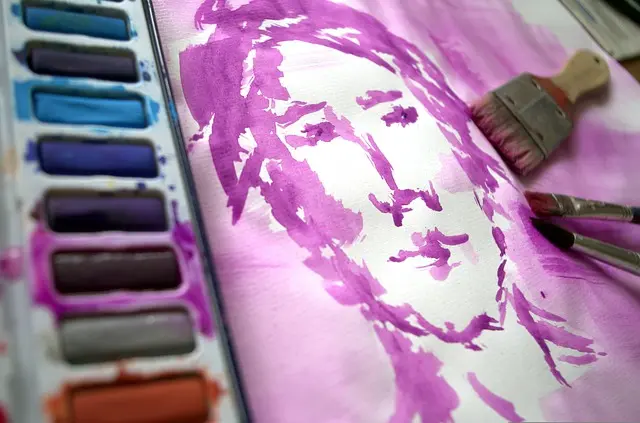
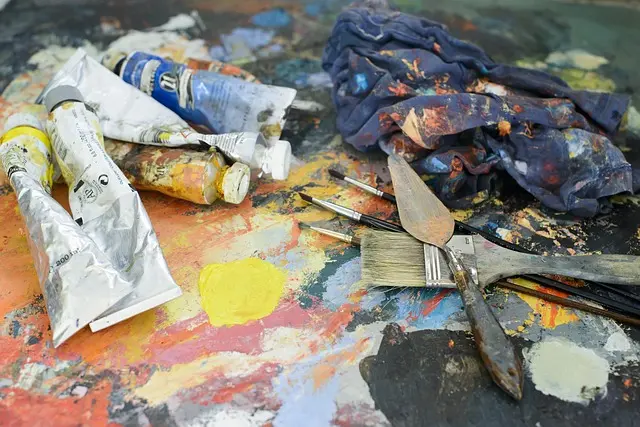
Experimenting with various mediums—be it acrylic, watercolour, digital design, or mixed media—can significantly influence your unique artistic style. Each medium has its own characteristics and potential for expression. For instance, a transition from oil to acrylic might encourage a shift in technique and colour application, sparking new ideas and perspectives. Try integrating textures from different materials, such as fabric or paper, into your artwork to discover what resonates with you. This exploration phase can lead to discoveries that are foundational to your artistic identity.
2. Study Influential Artists
Getting inspiration from established artists can guide you in shaping your own style. Rather than copying their techniques, examine their use of colour, composition, and themes. For example, if you admire Frida Kahlo, notice how she intertwines personal narrative with symbolic imagery. Study their biographies and the contexts they worked in. This can provide insight into how their experiences influenced their artistic voice. Maintain a sketchbook where you analyse their works, jot down ideas, or even mimic techniques as a practice exercise to develop confidence in your style.
3. Embrace Your Influences
Every artist is influenced by their surroundings, experiences, and culture. Recognising what inspires you is vital in forming your unique artistic style. Document your inspirations, whether they stem from nature, literature, or urban landscapes. For instance, the vibrant colours of a cityscape may trigger a specific emotional response, while natural landscapes might evoke tranquillity. Understanding how these influences shape your emotions can help you filter them into your artwork, making it a personal narrative that resonates with viewers.
4. Create a Signature Element
Consider developing a signature element that consistently appears in your work, enhancing the recognisability of your style. This might be a specific brushstroke technique, colour palette, or recurring motif. For example, artist Yayoi Kusama is known for her polka dot patterns, which have become integral to her identity. Over time, this personalised feature can become synonymous with your name, allowing your artwork to stand out in exhibitions and galleries. Experiment and identify something that feels naturally yours.
5. Keep a Visual Journal
A visual journal serves as an excellent tool for practicing your artistic style. Consistently sketching or painting your thoughts, observations, and emotions can be liberating and eye-opening. You can experiment freely without the pressure of creating a final piece. Use it to try new styles, document your daily life, or collect colour palettes that resonate with you. This process nurtures your creativity, and reviewing past entries can highlight shifts and evolutions in your style.
6. Seek Constructive Feedback
Engaging with fellow artists or mentors to critique your work can provide valuable perspectives. Look for constructive feedback that encourages growth rather than simply validation. Join artist communities or workshops where open dialogue is promoted. For instance, platforms like Behance or local art mingles allow you to present your work to a variety of audiences and receive insightful critiques. Often, external viewpoints can shed light on aspects of your work you hadn't considered, pushing you towards refining your style.
7. Set Personal Projects
Working on personal projects allows for unfiltered creativity and exploration of your unique artistic style. Choose themes or subjects that resonate deeply with you, and dedicate time to create work that embodies your artistic identity. This focused time can lead to breakthroughs in technique or thematic direction. Engaging in exhibitions, even on a local scale, can also build confidence and provide motivation to evolve your style further.
8. Observe Trends with Caution
While trends can provide insights into what is currently resonating with audiences, it’s crucial to be cautious. Adopting trends excessively can lead to a loss of your personal voice. Instead, analyse what aspects of trending styles or themes you genuinely connect with and see how you can integrate them into your unique perspective. This fusion can lead to innovative artwork that showcases both personal expression and contemporary relevance.
9. Reflect Regularly on Your Work
Set aside time to review your body of work periodically. Drawing connections between different pieces can help identify themes or styles that consistently emerge. Ask yourself what you love about your work and where you can improve. This reflection not only highlights your growth but also reinforces your unique artistic style. Use constructive self-critique as a means to solidify stylistic choices and understand your evolving identity more deeply.
10. Stay Authentic
Above all, authenticity is key in developing a unique artistic style. Your experiences, beliefs, and feelings should guide your artistic journey. Resist the urge to conform to expectations or mimic others excessively. Your voice is uniquely yours, and it will shine through when you create art that reflects who you genuinely are. Authenticity fosters a heartfelt connection with your audience, making your artwork more meaningful and impactful.
📺 Resource Video
[Developing Your Unique Artistic Style], a detailed discussion on how to cultivate your own distinct artistic voice. Search for: "developing unique artistic style".
Glossary
| Terme | Définition |
|---|---|
| Technique | Méthode ou approche artistique utilisée pour créer une œuvre d'art. |
| Motif | Élément récurrent dans une œuvre d'art, symbolisant une idée ou un thème. |
| Palette | Ensemble de couleurs utilisées dans un travail artistique. |
Checklist before Creating Your Unique Style
- [ ] Explore different artistic mediums.
- [ ] Study various influential artists and their techniques.
- [ ] Document your influences and inspirations.
- [ ] Develop a signature element for your work.
- [ ] Maintain a visual journal of your ideas and practices.
- [ ] Seek constructive feedback regularly.
- [ ] Engage in personal projects that reflect your style.
- [ ] Analyse trends but adapt them to fit your vision.
- [ ] Reflect on your work to understand your development.
- [ ] Ensure your art stays authentic to your voice.
Conclusion
Creating a unique artistic style requires time, experimentation, and introspection. By following these ten tips, you can begin to cultivate an artistic voice that not only reflects who you are but also resonates with audiences. Remember, your journey as an artist is continuous—embrace it fully, and your style will naturally evolve.
🧠 Quick Quiz : What is the most crucial step in developing a unique artistic style?
- A) Following trends
- B) Embracing authenticity
- C) Seeking validation
Answer: B — Authenticity allows your true voice to shine through, making your art personal and impactful.
📺 Pour aller plus loin : developing unique artistic style sur YouTube