Contents (15 sections)
Finding your artistic style is a journey that defines your identity as an artist. It's a way to express your thoughts, emotions, and perspectives uniquely. Whether you're just beginning or seeking to refine your existing style, these tips will help you navigate through the self-discovery process in artistic development. Let's dive into some key strategies that can aid in the evolution of your distinctive style.
1. Embrace Experimentation
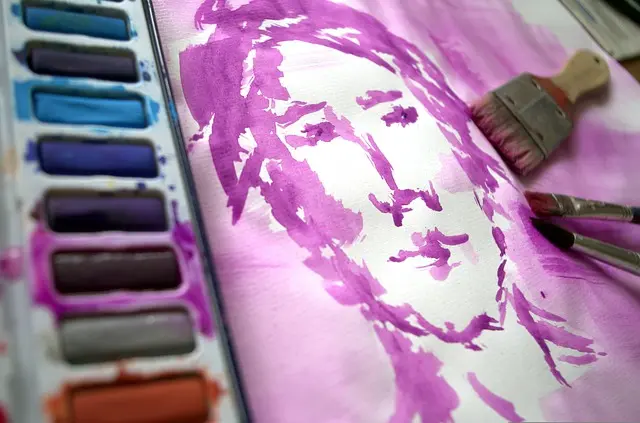
In your journey toward discovering your artistic style, it’s pivotal to embrace experimentation. Try out different mediums, techniques, and methods to see what resonates with you. For example, if you typically paint with oils, consider exploring watercolours or acrylics. Famous artist Claude Monet was known for his extensive experimentation with light and colour, which ultimately led to the Impressionist movement. Remember, art is not just about producing a final piece but enjoying the process of exploration.
2. Study the Masters
Learning from established artists is crucial. Spend time analysing the works of different artists from various periods and styles. What techniques do they use to convey emotion? How do they structure their compositions? Take Vincent van Gogh as an example; his unique brushwork and vibrant colour palette convey deep emotional resonance. By understanding their methods, you can incorporate elements that speak to your aesthetic preferences while developing your own style.
3. Mindfulness and Inner Reflection
Taking time to engage in mindfulness practices can help cultivate your artistic style. Reflect on what themes resonate with you personally. Keeping a sketchbook or journal can assist in this process, allowing you to document your thoughts, feelings, and ideas. This was effectively highlighted by yoga teacher and artist Kiki Smith, who encourages artists to tap into their inner selves to unearth their genuine creative voice.
4. Create a Mood Board
Visual inspiration is a powerful tool in refining your artistic style. Collect images, colours, quotes, and artworks that resonate with you on a mood board. This visual tool can serve as a reference point while creating new pieces, helping you maintain thematic and stylistic consistency. Over time, you may notice recurring patterns or themes that emerge, guiding the evolution of your own artistry.
5. Seek Constructive Criticism
Feedback from peers or professional mentors can provide invaluable insights into your work. Participate in art critique groups and accept constructive criticism to understand how others perceive your artistic style. This analysis can help identify strengths and areas for improvement. It's also beneficial to engage in discussions about your work to gain diverse perspectives.
6. Establish a Signature Element
Having a distinctive trademark in your artwork can enhance your artistic style. Whether it’s a specific technique, a recurring motif, or a colour palette, a signature element can help make your work recognizable. For instance, Pablo Picasso often employed cubism and abstract forms in his pieces, making his style instantly identifiable. Take time to develop what could be your unique touch!
7. Maintain Consistency
Alongside experimentation, it's essential to strike a balance with consistency in your artistic style. Regular themes or techniques can create a cohesive body of work that improves your brand as an artist. This consistency can emerge naturally as you refine your style over time through your artistic practice. Artist Yayoi Kusama is known for her obsession with dots and pumpkins, creating a consistent theme across her projects.
8. Participate in Workshops
Engaging in workshops can greatly enhance your skills. Whether online or in-person, these opportunities expose you to new techniques and ideas, inspiring you to refine your artistic style. Look for local artist communities or online platforms that offer workshops tailored to your interests. Many established artists host workshops that can provide not only skill development but also networking opportunities.
9. Document Your Progress
Tracking your progress is a useful method for understanding your evolution as an artist. Create a portfolio that showcases your journey: from your earliest works to your latest pieces. This visually narrated journey can highlight how your artistic style has matured and transformed over time, reflecting on what choices prompted these changes.
10. Trust Your Instincts
Ultimately, the most crucial tip is to trust your instincts. Your artistic style is an extension of you; it’s essential to create what feels authentic to your experiences. Don’t be afraid to break rules and trust your gut feelings regarding your art. Artistic expression thrives on individuality, so let your intuition guide your artistic journey!
📺 Ressource Vidéo
> [How to Develop Your Unique Artistic Style], a comprehensive guide on refining your artistic identity. Search on YouTube: developing artistic style techniques.
Comparison Table: Different Artistic Styles
| Style Type | Origin | Key Characteristics | Notable Artists |
|---|---|---|---|
| Impressionism | 19th Century | Light, colour, movement | Claude Monet, Renoir |
| Abstract Art | 20th Century | Freedom, emotional response | Jackson Pollock, Kandinsky |
| Realism | 19th Century | True representation of subjects | Gustave Courbet, Millet |
| Surrealism | 20th Century | Dream-like scenes, bizarre elements | Salvador Dalí, Magritte |
Checklist for Developing Your Artistic Style
- [ ] Embrace experimentation with different mediums
- [ ] Study and analyse artworks from different masters
- [ ] Engage in inner reflection and mindfulness practices
- [ ] Create and refer to your mood board regularly
- [ ] Seek feedback and constructive criticism
- [ ] Establish a unique signature element in your work
- [ ] Maintain consistency in your theme or technique
- [ ] Participate in workshops for skill enhancement
- [ ] Document your artistic journey and progress
- [ ] Trust your instincts and authenticity in your art
Glossary
| Terme | Définition |
|---|---|
| Artistic Style | The unique and distinct characteristics of an artist's work that reflects their vision. |
| Experimentation | The process of trying out new techniques and materials to discover artistic preferences. |
| Constructive Criticism | Feedback aimed at improving an artist's work, highlighting strengths and areas for development. |
> 🧠 Quiz rapide : What is the most important element in developing an artistic style?
> - A) Consistency
> - B) Experimentation
> - C) Feedback
> Réponse : B — Experimentation is crucial as it allows for discovery and growth in your artistic journey.
📺 Pour aller plus loin : how to develop your unique artistic style in 2026 sur YouTube