Contents (16 sections)
Starting out as a new artist can be both exciting and daunting. The journey is filled with opportunities to express oneself but also comes with unique challenges. To help you navigate this path, we’ve compiled 10 essential tips specifically designed for new artists, aimed at kickstarting your creative career and fostering a sustainable artistic practice.
1. Find Your Unique Voice
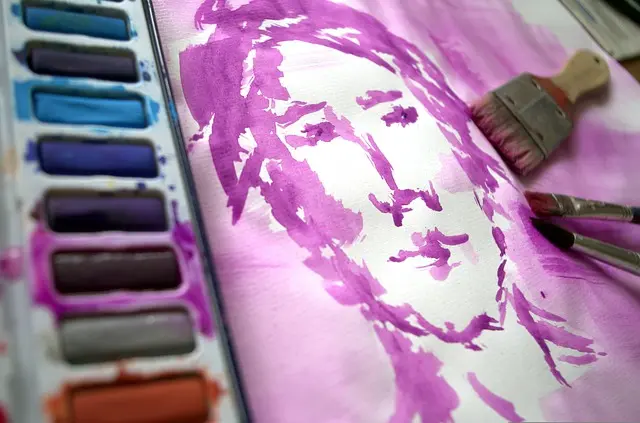
Identifying your artistic voice is a crucial first step. This means exploring various mediums, styles, and subjects until something resonates with you. Take the time to reflect on your influences and inspirations. For instance, if you admire Vincent van Gogh, consider what aspects of his work evoke emotion and how you might incorporate similar elements into your style. Take a class or workshop that allows you to experiment with different techniques, as this exploration can lead to unforeseen creative breakthroughs.
2. Establish a Routine
Routine provides structure, which is essential for artistic growth. Setting aside dedicated time each day for your craft can significantly enhance your creative output. For example, consider blocking out a few hours in the morning each week specifically for creating new art or learning about techniques. According to a study by Psychology Today, artists who adhere to a consistent routine are often more productive and experience less creative burnout. Having a set schedule helps engrain creating into your daily life and can lead to remarkable progress.

Viewsonic VP Series VP2776T-4K computer monitor 68.6 cm (27") 3840 x 2160 pixels 4K Ultra HD LED Black
Back to the Office


Nothing Headphone (1) Headset Wired & Wireless Head-band Calls/Music USB Type-C Bluetooth Black
Back to the Office
3. Build a Portfolio
Your portfolio is a visual representation of your skills and unique style, making it incredibly important for new artists. A well-organised portfolio should showcase your best work, highlighting various techniques and styles that you’ve explored. Aim for a mix of completed pieces as well as concepts and sketches. Investing in digital platforms to display your portfolio, such as Behance or Instagram, can also help you reach a wider audience. Remember, a strong portfolio can open doors for commissions and exhibitions.
4. Network with Other Artists
Connecting with fellow creatives can provide invaluable support and inspiration. Join local art associations, attend openings, and participate in workshops or online forums. Networking not only facilitates the exchange of ideas but can also lead to collaborations and opportunities for solo exhibitions. The Art League in the UK regularly hosts events that can help you meet peers and mentors in your artistic journey. Don’t hesitate to reach out and build relationships — they can provide insight and encouragement throughout your career.
5. Seek Constructive Feedback
Feedback is a powerful tool for growth. Seek out individuals whose artistic opinions you trust, such as mentors, peers, or instructors, and don’t shy away from constructive criticism. You might arrange a critique session in which artists can share their work in a supportive environment. The New York Foundation for the Arts suggests that regular feedback can lead to greater artistic development, enhancing both your technical skills and conceptual clarity.
6. Invest in Quality Materials
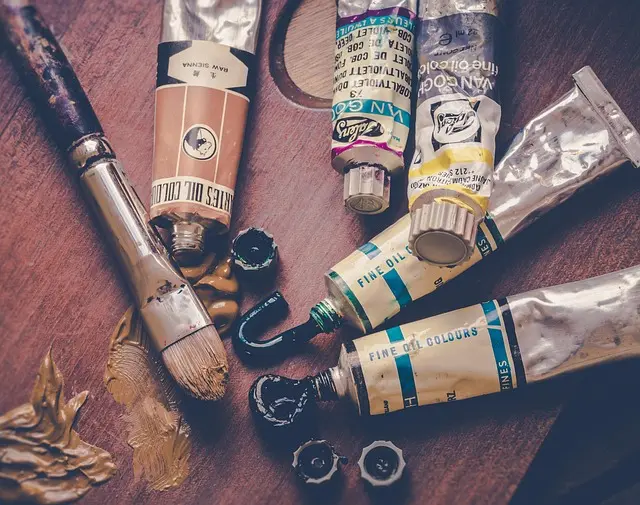
While it can be tempting to opt for cheaper materials as a new artist, investing in quality art supplies can significantly impact your work. High-quality paint, brushes, and canvases can yield better results and foster a more enjoyable creative experience. Many artists report that upgrading their materials in turn lifted their artistic capabilities and confidence. Look for local art supply stores or browse online retailers for reputable brands that suit your medium.

Nothing Headphone (1) Headset Wired & Wireless Head-band Calls/Music USB Type-C Bluetooth Black, White
Back to the Office

Bixolon XD5-40t label printer Direct thermal / Thermal transfer 203 x 203 DPI 152 mm/sec Wired & Wireless Wi-Fi
Back to the Office

Bixolon XD5-43t label printer Direct thermal / Thermal transfer 300 x 300 DPI 102 mm/sec Wired & Wireless Wi-Fi
Back to the Office
7. Challenge Yourself
Complacency can stifle growth. Regularly challenge yourself with projects that push your boundaries. Consider participating in local art competitions or setting personal goals to complete a number of pieces in a certain timeframe. The urgency may inspire creativity and new skills. Additionally, trying unfamiliar mediums can expose you to exciting new possibilities, expanding your creative toolkit.
8. Promote Your Art
In a digital age, an online presence is vital for new artists. Share your journey on social media platforms and consider creating an artist website that showcases your portfolio, biography, and upcoming shows. Use SEO strategies in your content to improve visibility. Furthermore, utilising platforms like Etsy can help you reach potential customers. Effective promotion increases the likelihood of finding audiences interested in your work and can turn casual viewers into loyal fans.
9. Stay Informed and Inspired
Keeping abreast of current trends and historical art movements helps give context to your work. Subscribe to art magazines and blogs to stay informed about new techniques you might want to try. Additionally, visiting galleries and museums can rekindle your inspiration. For instance, the Tate Gallery regularly exhibits globally renowned artists and showcases diverse contemporary works that can spark your creative curiosity.
10. Embrace Failure
Failure is often a stepping stone to success. Not every piece will resonate or turn out as planned, and that’s perfectly okay. Understanding that mistakes are part of the artistic process is crucial. Embrace your failures and learn from them; they can be your most potent teachers. Many established artists openly discuss how their ‘failed’ works led them to eventually create their best pieces.
Conclusion
Starting as a new artist is a journey filled with learning curves. By implementing these essential tips — from finding your unique voice to embracing failure — you can effectively kickstart your creative journey. Remember, the path may be winding, but each step is integral to developing your artistic identity.
Checklist before starting
- [ ] Identify your unique artistic style
- [ ] Establish a creative routine
- [ ] Create a professional portfolio
- [ ] Network with fellow artists
- [ ] Seek constructive criticism
- [ ] Invest in quality materials
- [ ] Challenge yourself with new projects
- [ ] Promote your art online
- [ ] Stay informed about art trends
- [ ] Embrace failures as learning opportunities
🧠 Quiz rapide : What is the most important tip for new artists?
- A) Invest in materials
- B) Find your unique voice
- C) Promote your art
Réponse : B — Finding your unique voice is critical as it lays the foundation for all your future work.
Glossaire
| Terme | Définition |
|---|---|
| Portfolio | Un ensemble de travaux représentatifs d'un artiste, utilisé pour démontrer ses compétences et son style. |
| Networking | Le processus d'établissement de relations professionnelles dans le but de favoriser les opportunités et le soutien. |
| Critique | Un retour constructif sur un travail artistique, souvent donné par des pairs ou des experts pour favoriser le développement. |
📺 Ressource Vidéo
Explore Techniques for Aspiring Artists, an insightful tutorial on honing your skills and finding inspiration. Search on YouTube: "new artists techniques 2026".
📺 Pour aller plus loin : new artists techniques 2026 sur YouTube
Recommended products
Selected by our experts

Bixolon XD5-43t label printer Direct thermal / Thermal transfer 300 x 300 DPI 102 mm/sec Wired & Wireless Wi-Fi
Back to the Office

Bixolon XD5-43tK label printer Direct thermal / Thermal transfer 300 x 300 DPI 102 mm/sec Wired & Wireless Wi-Fi
Back to the Office

Bixolon XD5-43t label printer Direct thermal / Thermal transfer 300 x 300 DPI 102 mm/sec Wired & Wireless Wi-Fi
Back to the Office

Bixolon XD5-40TOEK/BEG label printer Direct thermal / Thermal transfer 203 x 203 DPI 152 mm/sec Wired Ethernet LAN
Back to the Office

Bixolon XT3-43 label printer Thermal transfer 300 x 300 DPI 152 mm/sec Wired Ethernet LAN Wi-Fi
Back to the Office

Bixolon XT3-40 label printer Thermal transfer 203 x 203 DPI 203 mm/sec Wired Wi-Fi
Back to the Office