Contents (15 sections)
Starting a journey as an artist can be both thrilling and daunting. Emerging artists often struggle to define their unique voice amidst a wealth of influences. This article provides 10 essential tips for new artists to cultivate their artistic identity effectively. These strategies aim to not only guide you in developing your style but also enhance your overall creative process, enabling a richer artistic output.
1. Embrace Your Authenticity
To cultivate a unique artistic voice, it is crucial to understand and embrace your authentic self. Your experiences, emotions, and perceptions shape who you are as an artist. For instance, consider basing your artwork on personal stories or challenging experiences. Sharing your journey through your art not only resonates more deeply with audiences but also reinforces your individuality. Remember, your voice is a reflection of you — it should not and cannot be replicated.
2. Study Diverse Art Forms
While creating a distinct voice often stems from personal experience, studying various art forms can significantly broaden your perspective. Dive into different mediums — be it music, visual arts, dance, or literature. This doesn’t mean copying styles but rather understanding techniques and forms that resonate with you. As artists like Frida Kahlo and Pablo Picasso have shown, elements from diverse styles can come together to form something uniquely personal and compelling.


3. Keep a Creative Journal
Maintaining a creative journal is an excellent way for artists to document ideas, sketches, and inspirations. This practice fosters a habit of reflection, allowing you to trace your thoughts and feelings over time. Eventually, revisiting past entries can spark fresh ideas and lead to the evolution of your artistic voice. Many artists find that their journals become a treasure trove of potential pieces, highlighting earlier styles and themes that may be reimagined.
4. Collaborate with Other Artists
Collaborating with fellow artists can spark innovation and introduce fresh perspectives to your work. Engaging with peers allows for the exchange of ideas, techniques, and constructive feedback. It also opens avenues for exploring new styles and subjects. Look for local art groups or online communities where you can share your work and collaborate on projects. These interactions can enhance your creativity and solidify your unique voice among others.
5. Experiment with Different Mediums
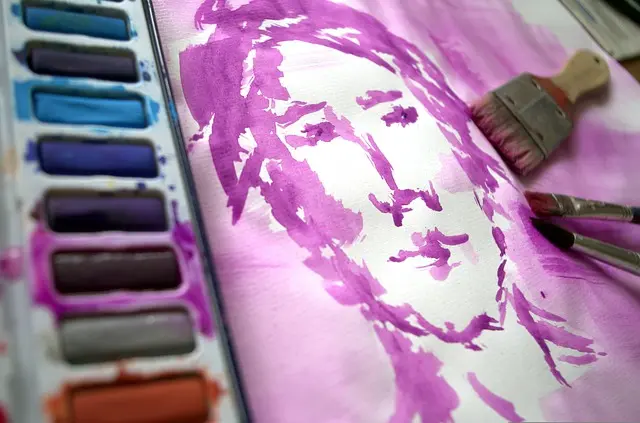
Don't limit yourself to a single medium. Experimenting with paint, digital art, sculpture, or photography can help reveal different facets of your artistic voice. Each medium offers its own set of challenges and rewards, encouraging you to adapt and think outside the box. For example, if you primarily work with watercolours, trying out acrylics may help you discover new techniques that resonate with your personal style.
6. Seek Feedback and Critique
Constructive criticism can be incredibly beneficial for emerging artists. Sharing work with trusted friends, mentors, or art instructors can provide insight into how others perceive your art. This feedback can highlight strengths and areas for growth, contributing significantly to your development. However, it is essential to remember that feedback should be taken as a guide rather than a definitive judgement. Use it to fuel your improvement and refine your voice.

ASUS TUF Gaming A16 Advantage Edition FA617XS-N4036W Laptop 40.6 cm (16") WQXGA AMD Ryzen 9 7940HS 16 GB DDR5-SDRAM 1 TB SSD AMD Radeon RX 7600S
Quzo UK

ASUS TUF Gaming A15 FA507NUR-LP012W AMD Ryzen™ 7 7435HS Laptop 39.6 cm (15.6") Full HD 16 GB DDR5-SDRAM 512 GB SSD NVIDIA GeForce RTX 4050 Wi-Fi 6
Back to the Office

7. Set Personal Goals
Establishing clear, achievable goals can guide your artistic journey and encourage growth. These might include completing a certain number of pieces or mastering a new technique each month. Setting these goals allows for self-reflection on your progress and helps maintain motivation levels. For instance, if you aim to create 12 pieces in a year, you’ll have a tangible target that can help you maintain consistent practice and productivity.
8. Attend Art Workshops and Classes
Participating in workshops or classes can be a vital investment in your artistic journey. These settings provide opportunities to learn new skills, meet other artists, and receive guidance from experienced instructors. Moreover, workshops often encourage experimentation in a supportive environment. Consider focusing on classes that challenge your existing skill set, as this can facilitate growth and enhance your unique voice.
9. Create a Consistent Practice Routine
Developing a consistent practice routine is crucial for any artist looking to hone their craft. By dedicating a set time each week to create, you establish a disciplined approach to your art. This commitment allows for the natural evolution of your style over time, leading to a more distinct artistic voice. Even 15-30 minutes of focused practice each day can pave the way for significant improvement.
10. Trust the Process
Creating art is a journey, not a race. It is essential to be patient with yourself and understand that developing your unique voice takes time. Trusting the creative process allows for growth and the emergence of your individual style. Each piece you create contributes to your overall artistic evolution, so embrace each step and learn from the experience.
Conclusion
Cultivating your unique voice as an artist is an ongoing journey that combines authenticity, practice, and exploration. By implementing these ten essential tips, emerging artists can enhance their creativity, refine their craft, and develop a style that resonates uniquely with the world.
💡 Avis d'expert : Engagez-vous avec votre communauté artistique. Que ce soit en ligne ou en personne, les interactions enrichissent votre parcours créatif.
📺 Ressource Vidéo
[Exploring Your Artistic Voice], a detailed exploration of finding and nurturing your unique artistic identity. Search on YouTube: discovering unique artist styles 2026.
Glossaire
| Terme | Définition |
|---|---|
| Artistic Voice | La manière unique qu’un artiste a d’exprimer ses idées et émotions à travers son art. |
| Medium | Le matériel ou la méthode utilisée pour créer une œuvre d'art, incluant peinture, sculpture, ou photographie. |
| Constructive Criticism | Retour d’information donné dans le but d’aider un artiste à s’améliorer dans son travail. |
Checklist avant achat
- [ ] Embrasser votre authenticité
- [ ] Étudier diverses formes d'art
- [ ] Tenir un journal créatif
- [ ] Collaborer avec d'autres artistes
- [ ] Expérimenter avec différents médiums
- [ ] Chercher des retours et critiques
- [ ] Fixer des objectifs personnels
- [ ] Assister à des ateliers et classes
- [ ] Créer une routine de pratique constante
- [ ] Faire confiance au processus créatif
📺 Pour aller plus loin : discovering unique artist styles 2026 sur YouTube
Recommended products
Selected by our experts

ASUS TUF Gaming A15 FA507UV-LP010W AMD Ryzen™ 9 8945H Laptop 39.6 cm (15.6") Full HD 16 GB DDR5-SDRAM 1 TB SSD NVIDIA GeForce RTX 4060 Wi-Fi 6
Back to the Office


ASUS TUF Gaming A15 FA507NV-LP025W AMD Ryzen™ 5 7535HS Laptop 39.6 cm (15.6") Full HD 16 GB DDR5-SDRAM 512 GB SSD NVIDIA GeForce RTX 4060 Wi-Fi 6
Back to the Office


ASUS TUF Gaming A16 Advantage Edition FA617XS-N4036W Laptop 40.6 cm (16") WQXGA AMD Ryzen 9 7940HS 16 GB DDR5-SDRAM 1 TB SSD AMD Radeon RX 7600S
Quzo UK