Contents (24 sections)
Embarking on an artistic journey is both exhilarating and challenging. New artists often face various hurdles that can stunt their growth and creativity. Recognising and addressing these challenges is crucial for achieving success and personal satisfaction in your artistic development. In this article, we will explore the most common mistakes new artists make and provide fundamental strategies to avoid them.
1. Neglecting to Develop a Unique Style
Finding Your Artistic Voice
One of the biggest pitfalls for new artists is failing to cultivate a unique artistic style. Throughout their early stages, many artists imitate popular styles or trusted mentors instead of exploring their own voice. This approach often leads to frustration and confusion as they struggle to define their artistic identity.
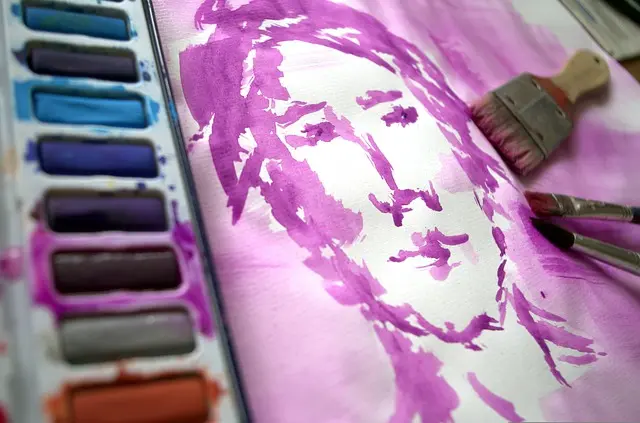
To avoid this mistake, artists should invest time in experimentation. Sketch, paint, or create using various mediums and techniques. Document your progress and note which methods resonate with you the most. Artists like Vincent van Gogh and Frida Kahlo were known for their distinct styles, but only after they took time to explore and experiment.
2. Ignoring the Importance of Feedback
The Role of Constructive Criticism
New artists often shy away from seeking feedback, fearing criticism may negatively impact their confidence. This hesitation can stifle artistic growth, as constructive feedback plays a crucial role in refining skills and enhancing works of art.
Engage with peers or mentors and encourage them to share their thoughts on your work. Join local art groups or online communities where you can receive honest feedback. This not only helps in improving your craft but also builds confidence. Remember, every great artist has faced critiques and used them to elevate their practice.


Schmincke : Norma : Professional Artists' Oil : 35ml : Black Iron Oxide
craftyarts.co.uk
3. Overlooking Marketing and Promotion
Strategies to Gain Visibility
Unless you plan to keep your art strictly for personal enjoyment, understanding marketing is essential. Many new artists believe that if they create great art, it will automatically be seen and appreciated. This misconception often leads to frustration when works go unnoticed.
To combat this, artists should educate themselves on digital marketing techniques. Create an engaging social media presence, maintain a portfolio website, and consider email newsletters to keep potential buyers updated. According to Art Basel, effective marketing is crucial for reaching wider audiences and establishing a dedicated following. By promoting your work proactively, you can foster genuine connections with your viewers.
4. Focusing Solely on Technical Skills
Beyond the Basics
While mastering technical skills is fundamental, some new artists get trapped in the pursuit of perfection at the expense of creative expression. This overemphasis can lead to burnout, restricting the flow of inspiration and creativity.
To escape this cycle, dedicate time to free expression. Engage in activities such as doodling or abstract painting to channel your creativity without the pressure of achieving tangible results. Remember, creativity thrives in freedom. Don’t hesitate to explore and make mistakes along the way—it’s all part of the learning process.
5. Setting Unrealistic Goals
The Power of Achievable Objectives
Many new artists set lofty, often unattainable goals, believing that rapid success reflects their talent. This mindset can lead to disappointment and discouragement when expected outcomes differ from reality.
Instead, break down large objectives into smaller, manageable goals. For instance, set targets to create a certain number of pieces per month or aim to collaborate with another artist within a specific timeframe. Achieving these smaller milestones will provide a sense of accomplishment, motivating you to keep creating. It’s essential to celebrate these victories, no matter how small they may seem.
6. Underestimating the Value of Networking
Building Connections in the Art World
New artists tend to undervalue networking opportunities, often viewing art as an isolated practice. This mindset can inhibit their growth and hinder access to valuable opportunities, such as exhibitions and collaborations.
Be proactive in attending art fairs, exhibitions, and local meet-ups. Engaging with other artists, curators, or potential buyers can yield significant benefits. Building professional relationships can open doors to exhibitions and collaborations that can enhance visibility and provide valuable exposure.

Sony The Best Electronic Album In The World... Ever! - Various Artists - Audio CD - 6
onbuy.com

Holbein : Artists' : Watercolour Paint : 5ml : Cadmium Yellow Pale
craftyarts.co.uk

Winsor & Newton : Artists' : Oil Paint : 37ml : Cadmium Yellow Deep
craftyarts.co.uk
7. Relying Solely on Social Media
Diversifying Your Platforms
While social media is a powerful tool for sharing your work, relying solely on it can be limiting. Algorithms change quickly, and engagement can fluctuate, affecting visibility.
Diversify your platform use by maintaining a personal website and exploring opportunities in traditional media, such as magazines or local exhibits. Continually keep the conversation about your work alive across varying channels to potential audiences. This ensures a consistent presence and reach, increasing your chances of being discovered.
8. Fear of Failure
Embracing Mistakes as Learning Opportunities
Fear of failure is perhaps one of the most disabling factors for new artists. The fear of creating something that does not meet expectations can lead to creative paralysis.
Instead of fearing failure, aim to embrace it. Understand that every artist, even the most successful ones, has encountered setbacks and disappointments. Use these experiences as stepping stones towards growth. Regularly remind yourself that every piece you create contributes to your journey and fosters improvement.
9. Disregarding Market Research
Understanding Your Audience
Many new artists overlook the importance of understanding their target audience’s preferences. This could result in creating art that fails to resonate with potential buyers or followers.
Take the time to conduct market research. Examine trending styles or themes in art, and analyse what resonates with your target demographic. Consider survey platforms to gather audience opinions and preferences. This information can guide your artistic choices and provide clarity on where to focus your efforts.
10. Not Investing in Quality Materials
Choosing the Right Tools for Your Art
Many aspiring artists start by using low-quality materials due to budget constraints or misconceptions that skills matter more than tools. However, poor-quality materials can produce unsatisfactory results, ultimately impacting artistic growth.
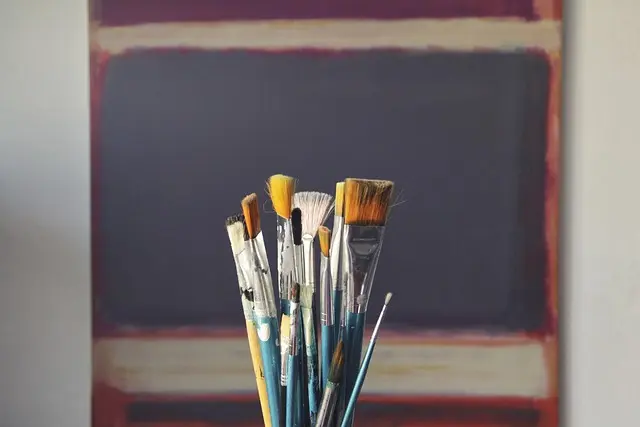
Invest in quality materials that suit your artistic style and medium. Whether choosing reliable paint brands or high-quality brushes, these tools significantly influence the final outcome of your art. High-grade materials can improve your art’s longevity and aesthetic appeal, serving you well in future creations.
Checklist to Avoid Common Mistakes
- [ ] Develop a unique artistic style
- [ ] Seek constructive feedback regularly
- [ ] Invest time in marketing and promotion strategies
- [ ] Balance technical skills with creative expression
- [ ] Set realistic, achievable goals
- [ ] Network and build connections
- [ ] Diversify platforms beyond social media
- [ ] Embrace failure as a learning opportunity
- [ ] Conduct market research on your audience
- [ ] Invest in high-quality materials
Glossary
| Term | Definition |
|---|---|
| Unique Style | An individual artist's distinctive approach to art. |
| Networking | Developing professional relationships to enhance career opportunities. |
| Market Research | The process of gathering information about audience preferences in art. |
> 📺 For further exploration: How to develop your unique artistic style, offering an in-depth analysis of defining your artistic voice. Search on YouTube:
how to find your artistic style 2026.
Recommended Products
- Makeup Artist Diploma Training Course: Ideal for artists wanting to explore different techniques and styles.
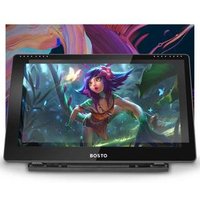
- High Quality Portable Graphic Drawing Tablet Monitor For Artists: Essential for digital artists looking to expand their skills and creativity.
- Professional Artists' Oil Paints: Recommended for artists aiming to create stunning, long-lasting artworks.
📺 Pour aller plus loin : how to find your artistic style 2026 sur YouTube
Recommended products
Selected by our experts


Daler Rowney Daler-Rowney : FW Artists' Ink : 29.5ml : Flame Orange
craftyarts.co.uk

Daler Rowney Daler-Rowney : FW Artists' Ink : 29.5ml : Fluorescent Blue
craftyarts.co.uk

Jo Sonja's Jo Sonja : Artists' Mediums : 500ml : Satin Polyurethane Varnish
craftyarts.co.uk

Schmincke : Norma : Professional Artists' Oil : 35ml : Cerulean Blue
craftyarts.co.uk

misc ARTEMAE Artists' Red Sable Brush - Sizes Listed*** No. 12 ; Round (Short Handled)
craftyarts.co.uk