Contents (12 sections)
Contemporary art in 2026 continues to push the boundaries of creativity and innovation. This year, the art scene is not only thriving but is also redefining societal paradigms. Artists are focusing on sustainability, digital technology, and social commentary, reflecting the evolving priorities of our world. Here, we dive into the major contemporary art trends 2026 is witnessing.
The Rise of Eco-Centric Art
One of the most prominent trends this year is eco-centric art, which focuses on environmental conservation and sustainability. As climate change becomes an ever-more pressing issue, artists are responding by incorporating natural materials and themes into their work. This trend emphasizes the importance of harmonious existence with nature and aims to raise awareness about environmental conservation.
For example, installations that use recycled materials or interactive exhibitions that simulate natural disasters are becoming increasingly popular. Artists such as Olafur Eliasson have long worked at this intersection, but their work is gaining renewed relevance in 2026. Such artworks not only critique current societal norms but also inspire collective action towards a more sustainable future.
Digital Immersion: Virtual and Augmented Reality in Art
The integration of digital technology into art is another major trend, with virtual and augmented reality leading the charge. These technologies allow artists to create immersive experiences that engage viewers in entirely new ways. TeamLab's exhibitions, for instance, utilise digital spaces to create environments that adapt and change with viewer interaction, providing a personalized experience that was previously unimaginable.
This shift towards digital is partly driven by the accessibility of technology and its ability to attract a digital-native audience. The marriage of art and digital technology not only provides new methods of engagement but also expands the definition of what art can be.
Social Commentary in Art
The art world has always been a reflection of societal issues, and 2026 is no exception. Artists are increasingly using their platforms to comment on social and political issues, be it through provocative installations or thought-provoking performances. Figures like Banksy continue to challenge public perceptions and spur debate, using their art to question authority and highlight social injustices.
Such works resonate deeply with audiences, sparking dialogue and often leading to genuine societal reflection and change, making this trend both powerful and necessary.
Generative Art: Algorithms as Artists
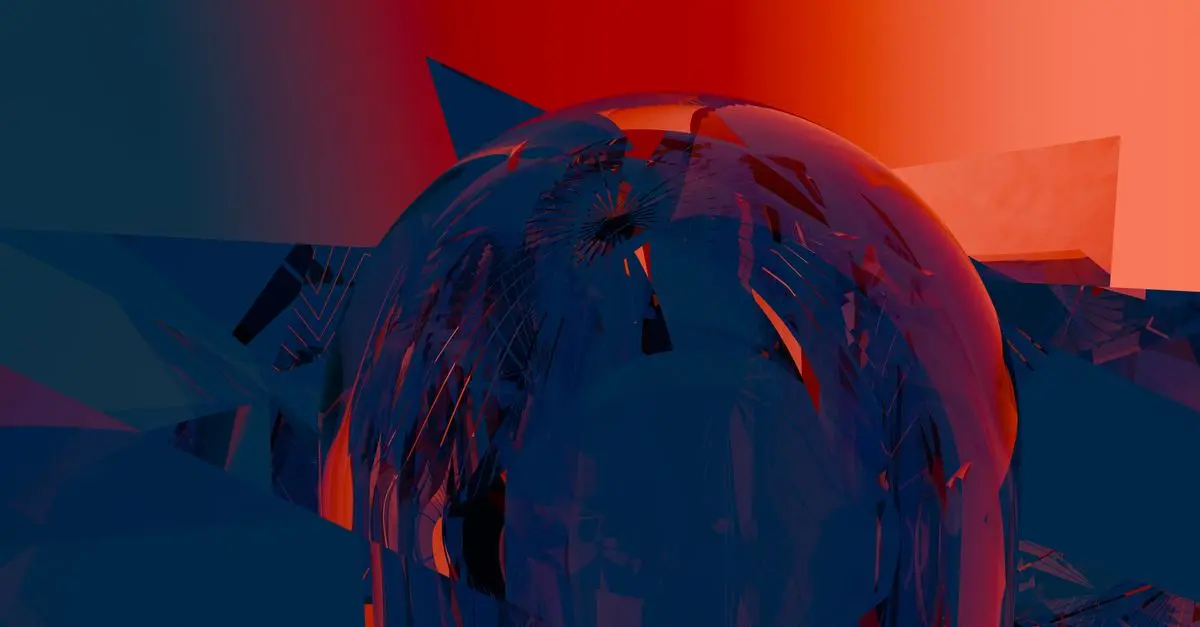
Generative art, which involves using algorithms and AI to create pieces, is gaining significant traction. By embracing technology, artists are able to conceive artworks that are not only unique but also explore the concept of randomness and machine unpredictability.
While the aesthetics of such work can often be dictated by the programmer, the resultant pieces challenge our understanding of creativity and authorship in art. Artists like Rafael Lozano-Hemmer are exploring how generative processes can lead to new forms of expression, pushing the boundaries of what art can achieve.
Artistic Collaborations Across Borders
In 2026, art collaboration knows no borders. With globalization facilitating cultural exchange, artists are increasingly engaging in cross-cultural collaborations. These projects often blend disparate styles and traditions, resulting in the creation of rich and hybrid works.
Events like the Venice Biennale are highlighting more collaborative works which reflect a globalized art scene. This trend showcases a blend of cultural perspectives that enriches the global arts dialogue, introducing fresh ideas and perspectives.
📺 Resource Video
📺 For further exploration: An analysis of contemporary art trends in 2026. Search on YouTube: "contemporary art trends analysis 2026".
Comparative Overview
| Trend | Key Feature | Notable Artists | Impact |
|---|---|---|---|
| Eco-Centric Art | Sustainability emphasis | Olafur Eliasson | Raises environmental awareness |
| Digital Immersion | Virtual reality and interactivity | TeamLab | Expands art boundaries |
| Social Commentary | Political and social issue focus | Banksy | Sparks societal dialogues |
| Generative Art | Algorithm-based creativity | Rafael Lozano-Hemmer | Challenges art notions |
The contemporary art world in 2026 is vibrant, with innovation and social conscience at the forefront. As artists continue to challenge conventions and explore new mediums, the trends discussed highlight a dynamic landscape that mirrors societal changes and technological advancements. Whether through eco-centric themes or digital immersion, contemporary art remains a powerful tool for reflection and change.
Glossary
| Term | Definition |
|---|---|
| Eco-Centric Art | Art focusing on environmental conservation through sustainable methods. |
| Generative Art | Art created using algorithms or AI, often producing unique, random pieces. |
| Digital Immersion | The use of digital tech, such as VR and AR, to create immersive art experiences. |
- [ ] Explore eco-centric exhibitions
- [ ] Engage with digital art installations
- [ ] Reflect on socially themed art pieces
- [ ] Discover generative art and its processes
- [ ] Support cross-cultural artistic collaborations
- What is eco-centric art?
Eco-centric art focuses on themes of environmental sustainability, using recycled materials and promoting conservation.
- How does virtual reality impact art?
It allows artists to create immersive experiences, providing new forms of engagement and expanding the art definition.
- Who are notable artists in social commentary art?
Banksy is a prominent figure known for his socially and politically charged artworks.
- What is generative art?
Generative art involves algorithms and AI in the creation process, challenging traditional notions of creativity.