Contents (13 sections)
The art world can be an intimidating landscape for emerging artists. However, with the right strategies, budding creatives can carve out their niche and succeed. Here are ten actionable tips designed to help new artists thrive!
1. Cultivate Your Unique Voice
Every artist has something special to offer. Finding and developing your unique artistic voice is vital in differentiating yourself in a crowded marketplace. Invest time in experimenting with various styles and mediums until you discover what resonates with you. A distinct voice often attracts attention from galleries and potential buyers. As a notable example, consider how Banksy has cultivated an unmistakable style that has garnered worldwide recognition.
2. Build a Strong Portfolio
A compelling portfolio showcases your best work and reflects your artistic journey. Start by selecting 10-20 pieces that exemplify your style and skills. Make sure these works tell a story and demonstrate versatility. Include high-quality images and descriptions for each piece, explaining your inspiration and techniques. According to a survey by Artfinder, good portfolios are crucial for securing exhibitions and sales. Regularly update your portfolio to reflect your evolving skills and projects.
3. Network with Other Artists
Networking is key to building relationships within the art community. Attend exhibitions, art fairs, and workshops to meet fellow artists, curators, and art enthusiasts. Engaging with others can lead to collaborative projects, exhibitions, and sales opportunities. Platforms like Instagram and Facebook groups can also serve as valuable places for online networking. Building rapport within the community fosters support and encouragement, essential for any developing artist.
4. Leverage Social Media to Promote Your Work
In 2026, social media remains a powerful tool for artists. Platforms such as Instagram, Pinterest, and TikTok allow you to share your work widely and connect directly with your audience. Create compelling content that narrates your artistic process, showcases finished pieces, and highlights upcoming exhibitions. Research shows that artists engaging consistently on social media report increased visibility and sales.
5. Pursue Opportunities for Exhibitions
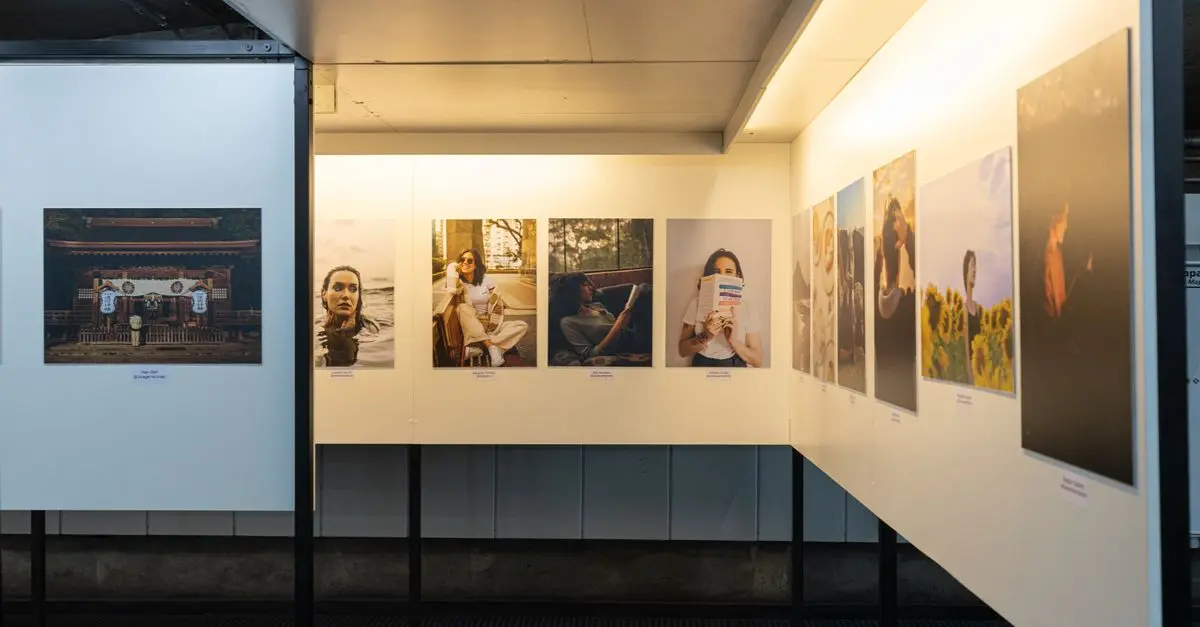
Getting your work seen is fundamental in establishing yourself as an artist. Look for local galleries, art centres, and community spaces that host emerging artists. Applying for group exhibitions and art competitions can also increase your exposure. According to Creative Boom, participating in exhibitions increases your chances of being discovered by collectors and galleries. Don’t be afraid to reach out to spaces that resonate with your aesthetic and message.
6. Understand the Business Side of Art
While creating art is your passion, understanding the business side is essential for long-term success. Learn about pricing your artwork, contracts, and marketing strategies. Consider joining local art organisations that provide resources and workshops on these topics. Statistically, artists who grasp the commercial aspect of art tend to fare better in their careers.
7. Engage with Your Audience
Building a loyal following is crucial for any emerging artist. Engage authentically with your audience through social media, newsletters, or even art fairs. Respond to comments, ask for feedback, and share personal stories that connect people to your art. As per research by Maine Art Hill, audiences are more likely to support artists they feel connected to. Create a community around your art for increased visibility and support.
8. Stay Updated with Art Trends
The art world is dynamic, with trends emerging constantly. Staying informed about contemporary art movements, popular mediums, and innovative techniques can help you make educated decisions about your work. Follow platforms such as Artsy and ArtNet for insights. Regularly attending art fairs, auctions, and exhibitions can also enhance your understanding of market trends. Knowledge about the current landscape ensures you remain relevant and inspiring.
9. Seek Feedback and Critique
Receiving constructive criticism is vital for growth. Engage mentors, fellow artists, or art instructors willing to provide feedback on your work. Functioning as a critical filter, feedback can identify areas for improvement and inspire innovation. Environments like art schools or critique clubs foster this exchange, enhancing your artistic development.
10. Stay Resilient and Patient
Finally, navigating the art world requires resilience. Rejection, criticism, and competition are part of the journey. Embrace failures as learning opportunities, and don’t lose sight of your passion. Remember, many renowned artists faced numerous setbacks before achieving success. Consistency and dedication to your craft will ultimately pay off.
Checklist
- [ ] Cultivate a unique artistic voice
- [ ] Build an impressive portfolio
- [ ] Network with fellow artists
- [ ] Actively promote your work on social media
- [ ] Pursue exhibition opportunities
- [ ] Understand the business side of art
- [ ] Engage authentically with your audience
- [ ] Stay updated with art trends
- [ ] Seek feedback and critiques
- [ ] Remain patient and resilient
Glossary
| Terme | Définition |
|---|---|
| Portfolio | Un ensemble d'œuvres d'art sélectionnées pour démontrer les compétences et le style d'un artiste. |
| Réseautage | Le processus de création de relations avec d'autres professionnels dans un domaine spécifique. |
| Marché de l'art | Le secteur économique lié à la vente, l'achat et la promotion d'œuvres d'art. |
> 📺 Pour aller plus loin : Watch our video on how emerging artists can navigate the art world effectively. Search for "emerging artist strategies 2026" on YouTube.
🧠 Quiz rapide : What is the most important aspect of developing as an artist?
- A) Maintaining strong technical skills
- B) Networking with other artists
- C) Building a social media presence
Réponse : B — Networking fosters connections that can lead to opportunities in the art world.
📺 Pour aller plus loin : emerging artist strategies 2026 sur YouTube
Recommended products
Selected by our experts

Daler Rowney Daler-Rowney : FW Artists' Ink : 29.5ml : Flame Orange
craftyarts.co.uk

Daler Rowney Daler-Rowney : FW Artists' Ink : 29.5ml : Fluorescent Blue
craftyarts.co.uk

Jo Sonja's Jo Sonja : Artists' Mediums : 500ml : Satin Polyurethane Varnish
craftyarts.co.uk

Schmincke : Norma : Professional Artists' Oil : 35ml : Cerulean Blue
craftyarts.co.uk

misc ARTEMAE Artists' Red Sable Brush - Sizes Listed*** No. 12 ; Round (Short Handled)
craftyarts.co.uk