Contents (15 sections)
Entering the art world can be exhilarating yet daunting for many new artists. The landscape is filled with opportunities, but pitfalls can impede progress and development. Understanding the common mistakes new artists make can set you on a path to success and creativity. In this article, we highlight ten prevalent mistakes and provide actionable strategies to circumvent these missteps.
1. Neglecting to Develop a Unique Style
One of the foremost errors new artists commit is failing to establish a distinct style early on. It might be tempting to mimic popular techniques or trends; however, a unique voice sets you apart. Artists like Frida Kahlo and Pablo Picasso built their reputations on individual styles that resonated with their experiences and emotions. Take the time to experiment and refine your aesthetic, as this will attract audiences who appreciate your originality.
2. Inconsistent Art Practice
Many newcomers believe that sporadic bursts of creativity are sufficient for development. Consistency is crucial in honing your skills. According to a survey by The National Endowment for the Arts, artists who practice regularly see a marked improvement in their technique and creative output. Design a schedule that allows for daily or weekly art sessions. The more you create, the stronger your skills will become.


Schmincke : Norma : Professional Artists' Oil : 35ml : Black Iron Oxide
craftyarts.co.uk

Sony The Best Electronic Album In The World... Ever! - Various Artists - Audio CD - 6
onbuy.com
3. Overlooking the Business Side of Art
Art is as much about business as it is about creativity. New artists often underestimate the importance of networking, branding, and marketing. Whether it’s through social media or attending local art shows, you must make yourself known in the art community. Creating a professional portfolio website can also serve as a platform to showcase your work and connect with potential buyers or collaborators.
4. Ignoring Feedback
Constructive criticism is vital for growth. New artists might feel defensive or insecure about their work when receiving feedback, which can lead to stagnation. Open yourself up to feedback from peers, mentors, and even audiences. Approaching critiques as learning opportunities can improve your skills over time. Engage with art groups or online forums for diverse perspectives; each insight can lead to valuable progress.
5. Rushing to Exhibit
The excitement of showcasing your work can lead to hasty decisions regarding exhibitions. Many new artists jump at the first opportunity without adequately preparing a cohesive body of work. Before exhibiting, ensure your pieces are well-curated, linked thematically or stylistically. This not only enhances your presentation but also strengthens your narrative as an artist, keeping your audience engaged and invested.
6. Underestimating Online Presence
In our digital age, an online presence is crucial for artists. Newcomers often create an Instagram page or website without understanding the algorithms and audience engagement necessary for visibility. Consider researching social media strategies that increase reach and engage followers effectively. Consistent posting, engaging with other artists, and using relevant hashtags can significantly amplify your online visibility.

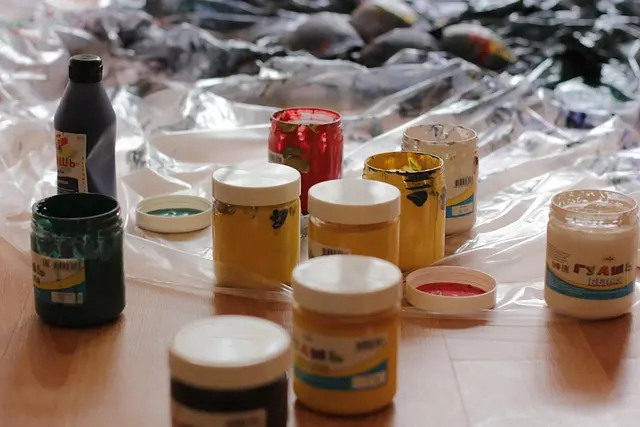
Holbein : Artists' : Watercolour Paint : 5ml : Cadmium Yellow Pale
craftyarts.co.uk

Winsor & Newton : Artists' : Oil Paint : 37ml : Cadmium Yellow Deep
craftyarts.co.uk
7. Fear of Experimentation
Art thrives on exploration and risk-taking. New artists often shackle themselves to conventional approaches due to fear—fear of failure or misunderstanding. Embrace experimentation with different mediums, styles, and techniques. Art is about expressing oneself, and pushing boundaries can lead to stunning breakthroughs. For instance, Georgia O’Keeffe moved between painting and sculpting, continually evolving her artistic language.
8. Mismanaging Finances
Financial mismanagement can lead to stress and anxiety, detracting from creative processes. Many new artists find themselves underfunded due to overspending on materials or marketing efforts. Create a budget and stick to it, allocating funds wisely. Look for sustainable practices, such as purchasing materials in bulk or applying for local art grants. Financial literacy is just as important as artistic skill.
9. Neglecting Self-Care
Art can be an isolating pursuit, and many new artists ignore their mental and physical health in favour of productivity. Burnout can stifle creativity, turning passion into a chore. Prioritising self-care, including regular breaks and enjoyable activities outside of art, is essential for long-term success. Remember, a balanced life fosters creativity.
10. Failing to Set Goals
Without clear goals, it's easy to lose focus. New artists may drift without direction, limiting their growth and achievements. Setting both short- and long-term goals can provide a roadmap for your artistic journey—whether they are related to skill development, exhibitions, or personal projects. Regularly review and adjust these goals to stay aligned with your aspirations.
Checklist before Diving In
- [ ] Develop a unique style.
- [ ] Establish a consistent art practice.
- [ ] Learn the business aspects of art.
- [ ] Embrace constructive feedback.
- [ ] Prepare thoroughly before exhibiting.
- [ ] Enhance your online presence.
- [ ] Experiment boldly with your art.
- [ ] Manage your finances carefully.
- [ ] Prioritise self-care practices.
- [ ] Set and review personal goals regularly.
Conclusion
Navigating the world of art as a new artist can be challenging, but by acknowledging and addressing these common mistakes, you can set yourself up for a rewarding and fulfilling creative journey. Remember, the path of an artist is not linear; it is a fluid process that allows for growth and transformation.
📺 For more insights:
Search for ‘art tips for beginners’ on YouTube for valuable resources and inspiration.
Glossary
| Terme | Définition |
|---|---|
| Style | Une expression artistique individuelle qui reflète la personnalité de l'artiste. |
| Cohésion | L'harmonie entre les éléments d'une œuvre ou d'un corps d'œuvre, créant un ensemble unifié. |
| Feedback constructif | Des conseils donnés dans le but d'aider l'artiste à améliorer son travail, souvent basés sur une critique constructive. |
---
📺 Pour aller plus loin : art tips for beginners sur YouTube
Recommended products
Selected by our experts


Daler Rowney Daler-Rowney : FW Artists' Ink : 29.5ml : Flame Orange
craftyarts.co.uk

Daler Rowney Daler-Rowney : FW Artists' Ink : 29.5ml : Fluorescent Blue
craftyarts.co.uk

Jo Sonja's Jo Sonja : Artists' Mediums : 500ml : Satin Polyurethane Varnish
craftyarts.co.uk

Schmincke : Norma : Professional Artists' Oil : 35ml : Cerulean Blue
craftyarts.co.uk

misc ARTEMAE Artists' Red Sable Brush - Sizes Listed*** No. 12 ; Round (Short Handled)
craftyarts.co.uk