Contents (11 sections)
Finding your unique artistic style is essential for any developing artist. It serves as your personal signature and reflects your individuality in every piece of art you create. In this guide, we will explore the fundamental steps you can take to identify and develop your distinctive style. Whether you're a painter, illustrator, or digital artist, these actionable steps can help you express your artistic vision clearly.
1. Understanding Your Influences
Before you can create something unique, it’s crucial to understand what influences you artistically. Take some time to reflect on your favourite artists, styles, and mediums. Ask yourself: what elements resonate with you the most? You might be drawn to colour schemes, brush techniques, or particular subjects. Make a list of artists who inspire you and note what specifically draws you to their work. This process often uncovers recurring themes and preferences that can inform your own style.
💡 Pro Tip: Keep a visual diary or a Pinterest board of artworks that inspire you. This visual collection can be a powerful tool when you feel stuck.
2. Experimenting with Various Mediums
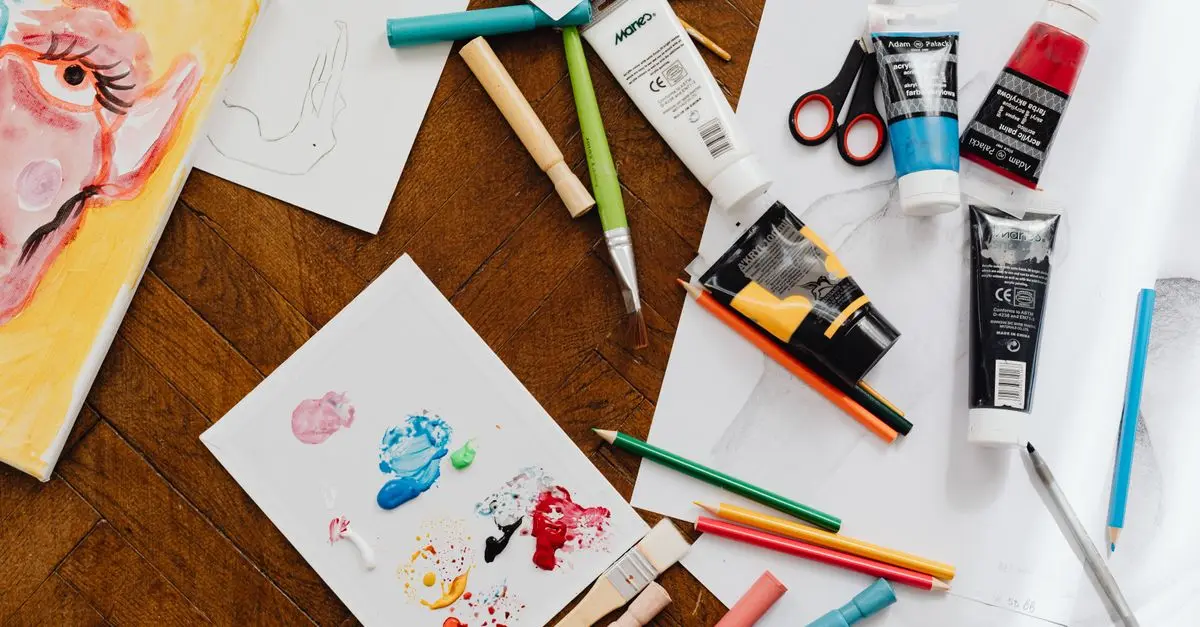
Your choice of medium plays a significant role in how your artistic style develops. Try working with different types of materials, such as watercolours, oil paints, charcoal, or digital tools. Each medium has its own unique characteristics and can offer new perspectives on how you express yourself.
Many artists find that they gravitate towards a specific medium over time. For example, you may find that the spontaneity of watercolours suits your creative process, or perhaps the precision of digital painting works better for your style.
Explore what feels most comfortable for you, and don’t hesitate to push your boundaries. One common pitfall is to stick with what you know; remember that growth often occurs outside of your comfort zone.
3. Developing a Personal Visual Language
A personal visual language is a combination of the elements you consistently use in your work. This can include your choice of colours, lines, textures, and forms. Consider creating a series of small pieces focusing on one element at a time—for example, one set could explore various colour palettes while another delves into texture.
As you create, it’s important to continually assess your work. What elements do you seem to use consistently? This identification will help you build your unique style gradually. Try to find a balance between being influenced by existing artists and developing your individuality.
4. Seeking Feedback and Iteration
Feedback from peers and mentors is invaluable when developing your artistic style. Share your work with trusted friends, fellow artists, or online art communities and ask for their insights. Constructive criticism can certainly aid your growth; however, make sure to sift through feedback carefully and retain what resonates with you.
Another effective method is to revisit your previous works. Identifying patterns in your earlier art can reveal how your style has evolved and point out elements that you might want to enhance or change.
Common Mistake: Avoid taking all feedback to heart. Remember, your style should ultimately reflect who you are as an artist.
5. Creating a Cohesive Body of Work
Once you begin to feel a sense of direction with your unique style, start creating a cohesive body of artwork. This series highlights your artistic vision and reinforces your style. Whether you choose to work on a themed series or a collection of different pieces, ensure that there are clear connections between them.
Exhibiting your work, even if informally through social media, will not only help solidify your unique style but also identify your strengths and areas for improvement. Remember that repetition and variation in this phase are crucial; you can distil your style into something recognisable.
6. Embracing Evolution and Flexibility
Your unique artistic style is not static; it will evolve as you grow. It is essential to stay open to change and experimentation. An artist’s journey should be one of continuous exploration, allowing you to integrate new techniques or ideas that resonate with you. Embrace this evolution rather than fearing it. Many renowned artists, such as Pablo Picasso or Frida Kahlo, experienced leaps in their work that reflected profound personal changes. Your art should mirror your experiences.
Checklist for Developing Your Unique Artistic Style:
- [ ] Identify your artistic influences.
- [ ] Experiment with various mediums.
- [ ] Develop your personal visual language.
- [ ] Seek constructive feedback and iterate.
- [ ] Create a cohesive body of work.
- [ ] Embrace the evolution of your style.
📺 Resource Video
> 📺 For further insight: Explore how to cultivate your unique artistic style in this engaging video. Search YouTube for: 'how to develop a unique artistic style 2026'.
Conclusion
In conclusion, discovering and developing your unique artistic style is a journey of self-exploration and creativity. By understanding your influences, experimenting with various methods, and embracing feedback, you'll forge a path that authentically represents your artistic voice. Remember to enjoy the process! Creating art is a wonderful exploration of who you are.
Glossary
| Term | Definition |
|---|---|
| Artistic Style | The distinctive visual elements that define an artist's work. |
| Visual Language | A set of aesthetic components that create narrative and meaning. |
| Medium | The material or technique used by an artist to create their work. |
Checklist before Development
- [ ] Reflect on artistic influences
- [ ] Try out at least three different mediums
- [ ] Assess your visual language through experimentation
- [ ] Gather feedback from peers
- [ ] Create a themed series to showcase your style
- [ ] Stay flexible and embrace your evolving style
🧠 Quick Quiz: What is the most important factor in developing your unique artistic style?
- A) Copying famous artists
- B) Finding personal inspiration
- C) Sticking to one medium
Answer: B — Finding personal inspiration is key to creating a distinctive style.
📺 Pour aller plus loin : how to develop a unique artistic style 2026 sur YouTube