Contents (12 sections)
In recent years, the integration of technology in art education has transformed how art is taught and experienced. With digital tools becoming essential in classrooms, educators are redefining traditional methods to foster creativity. This article delves into the major trends shaping art education in 2026.
Digital Art Platforms
The rise of digital platforms has made art more accessible. Platforms like Adobe Creative Cloud and Procreate enable students to experiment with different media without the need for expensive materials. According to a report by Statista, over 60% of art students in the UK use digital art platforms, allowing for experimentation and innovation.
Digital platforms have also provided a space for remote collaboration. Students can work collaboratively across the globe, gaining new perspectives and cultural insights. This accessibility broadens their creative scope, encouraging experimentation with various styles and techniques.
Online Art Communities
With the growth of online communities, artists can showcase their work and receive feedback from peers. Websites like DeviantArt and platforms such as Instagram create a virtual gallery for budding artists. Networking opportunities are abundant, allowing students to connect with professionals and potentially collaborate on projects.
This trend underscores the democratization of art education, where the boundaries between instructor and learner blur, fostering an atmosphere of continuous learning and feedback.
Augmented and Virtual Reality
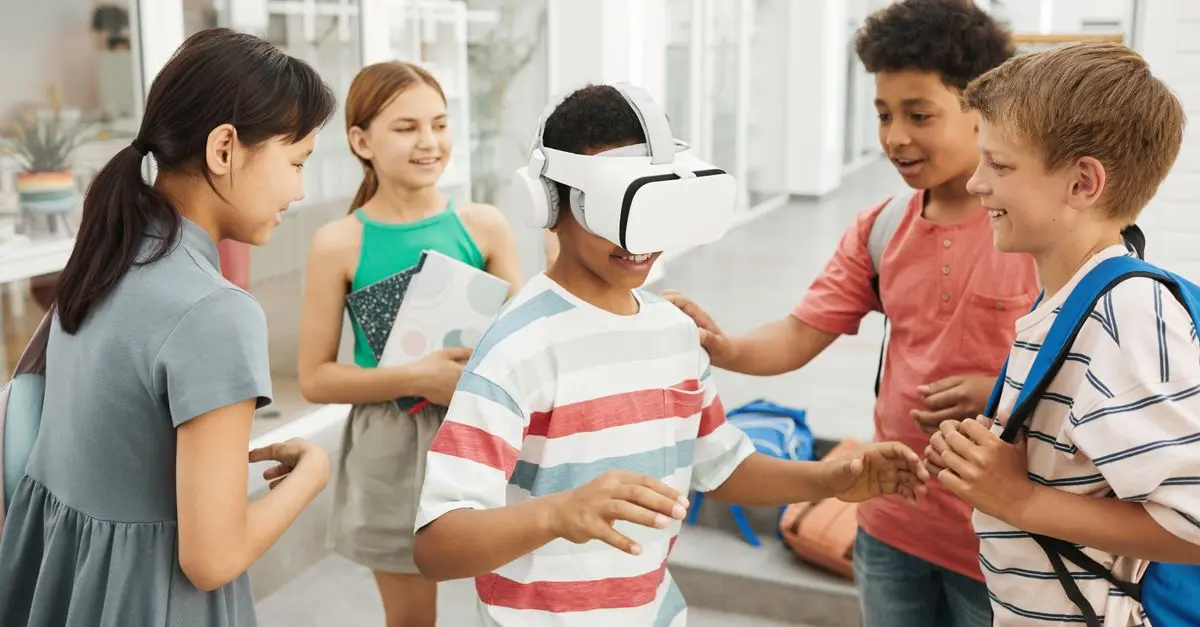
Augmented Reality (AR) and Virtual Reality (VR) are breaking traditional barriers in teaching art. Students can now create immersive environments or view historical art pieces up close through technology like Oculus Quest or Microsoft HoloLens. According to AR Insider, educational AR usage has grown by 40% from the previous year.
Institutions adopting AR/VR can simulate real-world scenarios, such as ancient art restorations or creating with digital sculptures, offering hands-on experiences that traditional teaching methods cannot deliver.
Integration of AI and Machine Learning
AI tools are emerging as facilitators in art education. Software like DeepArt leverages AI to assist students in style transformation, making stylistic modifications easy and intuitive. According to a study by Gartner, educational AI applications are projected to rise by 30% by 2026.
AI helps customise learning experiences, analysing student progress to provide tailored advice and resources, enhancing traditional teaching methods with data-driven insights.
3D Printing in Art Education
3D printing is reshaping the creation and understanding of art pieces. Art students can transform digital designs into tangible objects, facilitating hands-on learning. Museums like The Smithsonian are employing 3D printing to replicate rare artefacts for educational purposes, allowing in-depth study without endangering original artworks.
Students discover the practical applications of their art through technology, understanding the intersection of aesthetic design and engineering.
📺 Resource Video
📺 For further exploration: How Technology is Transforming Art Education, an in-depth analysis of digital tools in classrooms. Search on YouTube: "technology art education tools."
Comparative Analysis
| Feature | Traditional Art Education | Technology-Enhanced Art Education | Impact |
|---|---|---|---|
| Material Cost | High | Low/Variable | More Accessible for Students |
| Collaboration | Local/Physical | Global/Digital | Broadened Artistic Perspectives |
| Mediums Available | Limited | Extensive | Increased Creative Choices |
| Feedback Loop | Slower | Instant | Accelerated Learning & Growth |
The trends in art education reflect a shift towards interactivity and accessibility. Although some may argue that technology detracts from traditional skills, it is apparent that these innovations enhance and expand the possibilities for art students. Educational frameworks are now required to accommodate these tools, ensuring that future artists are well-versed in digital as well as traditional techniques.
- What is the importance of technology in art education?
Technology broadens creative possibilities and allows for innovative teaching methods.
- How do digital platforms benefit art students?
They offer tools for creativity, collaboration, and cost-effective experimentation.
- Can virtual reality improve learning in art education?
Yes, VR provides immersive, hands-on experiences that enhance traditional teaching.
- What role does AI play in art education?
AI personalises learning, providing data-driven insights into student progress.
Checklist before Integrating Technology
- [ ] Evaluate available digital tools
- [ ] Identify skill gaps in students
- [ ] Train educators on new technologies
- [ ] Foster online community engagement
- [ ] Set measurable goals for digital projects
Glossary
| Term | Definition |
|---|---|
| Digital Art | Creation of art using digital technology, including software and platforms. |
| Augmented Reality | Technology that overlays digital content on real-world environments. |
| 3D Printing | Process of making three-dimensional objects from a digital file. |