Contents (14 sections)
Establishing your artistic identity is vital for emerging artists looking to carve out their place in a competitive world. It is not merely about style or technique; rather, it's about understanding who you are as an artist, what inspires you, and how you can convey your unique perspective through your work. By engaging deeply with your identity, you can produce artwork that resonates more profoundly with audiences, leading to stronger connections and recognition.
1. Define Your Influences
The first step in establishing your artistic identity is identifying your influences. Consider the following:
- Art Movements: What styles or periods inspire you? For example, are you drawn to Impressionism for its use of light, or perhaps to Abstract Expressionism for its emotional depth?
- Cultural Background: How does your life experience inform your art? Personal history often shapes perspective, helping you to communicate unique messages.
- Life Events: Reflect on significant life events that have impacted your artistic perspective. Whether joy or hardship, these moments contribute to your creative voice.
To collect these influences, I recommend keeping a journal where you can jot down thoughts and reflections on art and life. This practice not only hones your understanding of your artistic identity but also catalyses new ideas.
2. Explore Different Mediums
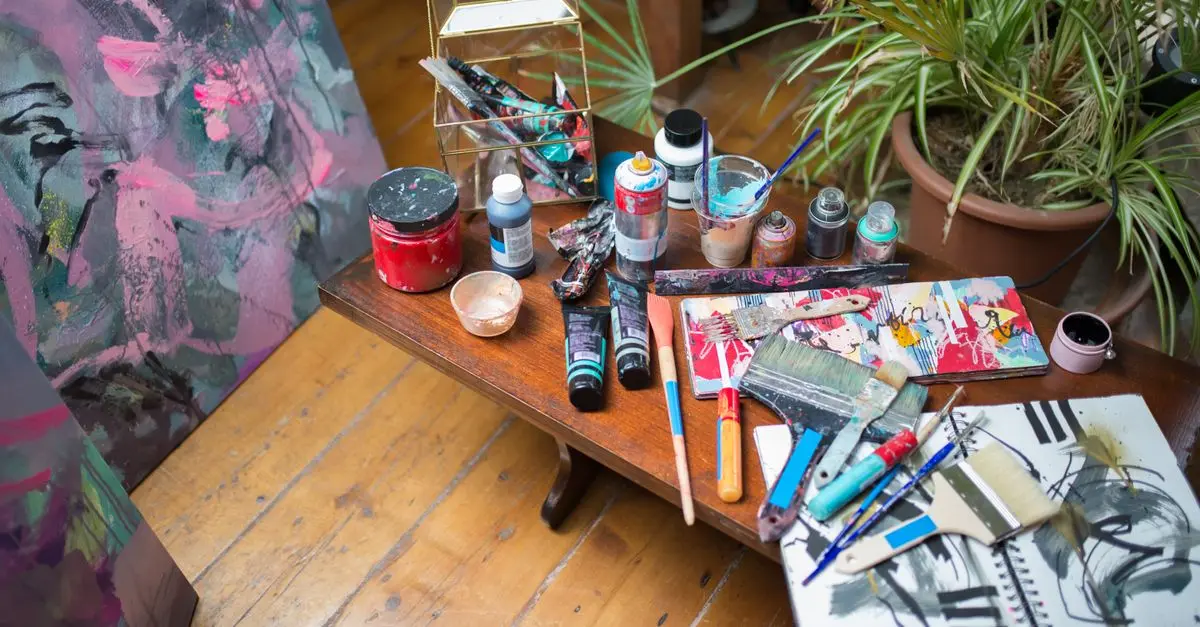
Once you have assessed your influences, the next step is to explore various mediums. This exploration provides insight into how different tools shape your artistic voice.
Recommended Mediums:
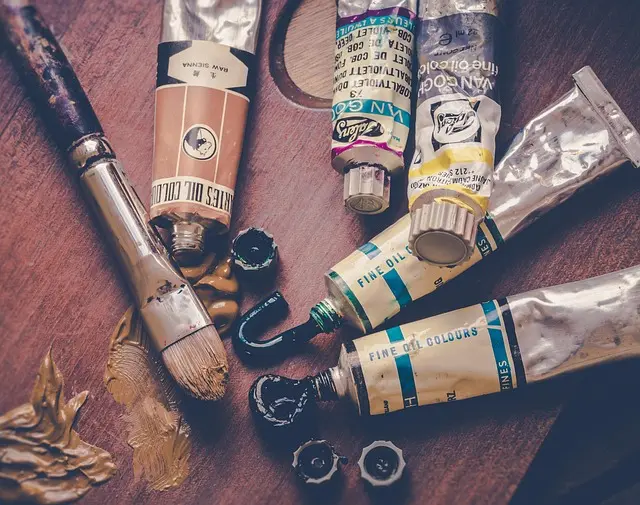
- Painting: Traditional oils versus acrylics can produce vastly different effects.
- Digital Art: Explore how technology can offer new ways to express your ideas.
- Sculpture: Working with 3D forms can lead to a tactile understanding of your concepts.
As you experiment, allow yourself the freedom to make mistakes. Each failed attempt can provide valuable learning opportunities. For instance, a mixed-media approach might surprise you with new textures or layers that resonate with your vision.


3. Create a Personal Brand
Your artistic identity also encompasses your brand. Your brand is how you present yourself to the world, and it can significantly influence your ability to connect with an audience.
Steps to Develop Your Personal Brand:
- Choose a Name: This could be your own name or a pseudonym that reflects your artistic vision.
- Design a Logo: A simple yet memorable logo can enhance your visibility.
- Develop a Visual Aesthetic: Consistency in colour scheme, style, and typography is essential across your portfolio and marketing materials.
- Online Presence: Create a professional website showcasing your work and portfolio. Social media platforms can also amplify your reach.
These elements work together to provide clarity about your identity and what you stand for as an artist. Make sure that your branding aligns with the tone and themes of your artwork.
4. Engage with Your Audience
Building your artistic identity means establishing a relationship with your audience. Engaging with people can provide critical feedback and foster a sense of community around your art.
Strategies for Engagement:
- Social Media Interaction: Share insights into your creative process, ask for feedback, and respond to comments.
- Exhibitions: Participate in local art shows or online exhibitions to display your works. Meeting people and discussing your art can deepen connections.
- Email Newsletters: Regular updates sent directly to interested parties can keep your audience informed about your latest projects or exhibitions.
Understanding your audience can help tailor how you express your artistic identity—what themes resonate and how your work can communicate with them on a broader level.
5. Reflect and Evolve
Lastly, establishing your artistic identity is an ongoing process of reflection and evolution. As you grow personally and artistically, your identity will transform.
Considerations for Reflection:
- Regular Reviews: Periodically assess your work and consider what themes or ideas continue to resonate.
- Feedback Loops: Solicit constructive criticism from fellow artists or mentors to understand how your work is perceived.
- Stay Open: Art can often lead us down unexpected paths. Embrace changes and be willing to adapt your identity accordingly.
Being attuned to these changes will keep your artistic expression fresh and relevant.
Conclusion
Establishing your artistic identity is a multifaceted journey involving self-reflection, exploration, branding, and audience engagement. By following these steps, you will not only define your identity but also strengthen your connection with others through your artwork. Remember, your identity is unique, and nurturing it will lead to authentic expressions that resonate far and wide.
Checklist for Establishing Your Artistic Identity
- [ ] Identify your key influences.
- [ ] Explore different artistic mediums.
- [ ] Develop your personal brand.
- [ ] Engage actively with your audience.
- [ ] Reflect on your artistic journey periodically.
Glossary
| Terme | Définition |
|---|---|
| Artistic Identity | L'ensemble des éléments qui définissent comment un artiste s'exprime. |
| Mediums | Techniques ou matériaux utilisés dans la création artistique. |
| Personal Brand | La manière dont un artiste se présente et se commercialise. |
> 📺 Pour aller plus loin : How to Define Your Artistic Voice, une analyse complète de l'identité artistique. Recherchez sur YouTube : "how to establish artistic identity".
Quiz rapide :
> 🧠 Quiz rapide : What is the first step to establishing your artistic identity?
> - A) Engage with your audience
> - B) Define your influences
> - C) Explore mediums
> Réponse : B) Define your influences — understanding your influences lays the foundation for your identity.
📺 Pour aller plus loin : how to establish artistic identity sur YouTube
Recommended products
Selected by our experts