Contents (18 sections)
Creating a unique artistic style is a journey that every artist undertakes, transitioning from imitation to personal expression. Your unique artistic style reflects who you are, the experiences you've lived, and the emotions you wish to convey through your art. In this guide, we will explore essential steps to finding and refining your unique artistic style.
1. Understanding Your Inspirations
Before you can develop a unique artistic style, it is crucial to understand what inspires you. This exploration can be as simple as asking yourself a few questions: What art styles resonate with you? Who are your favourite artists, and what about their work captivates you? Take time to explore different art mediums, styles, and histories.
A Practical Approach
Start by creating a scrapbook or digital mood board that includes images, colours, and art styles that inspire you. A study by The Art Institute indicates that engagement with diverse artistic expressions can increase creativity by up to 50%. This collection will serve as your compass as you navigate your artistic journey.
2. Experiment with Different Mediums
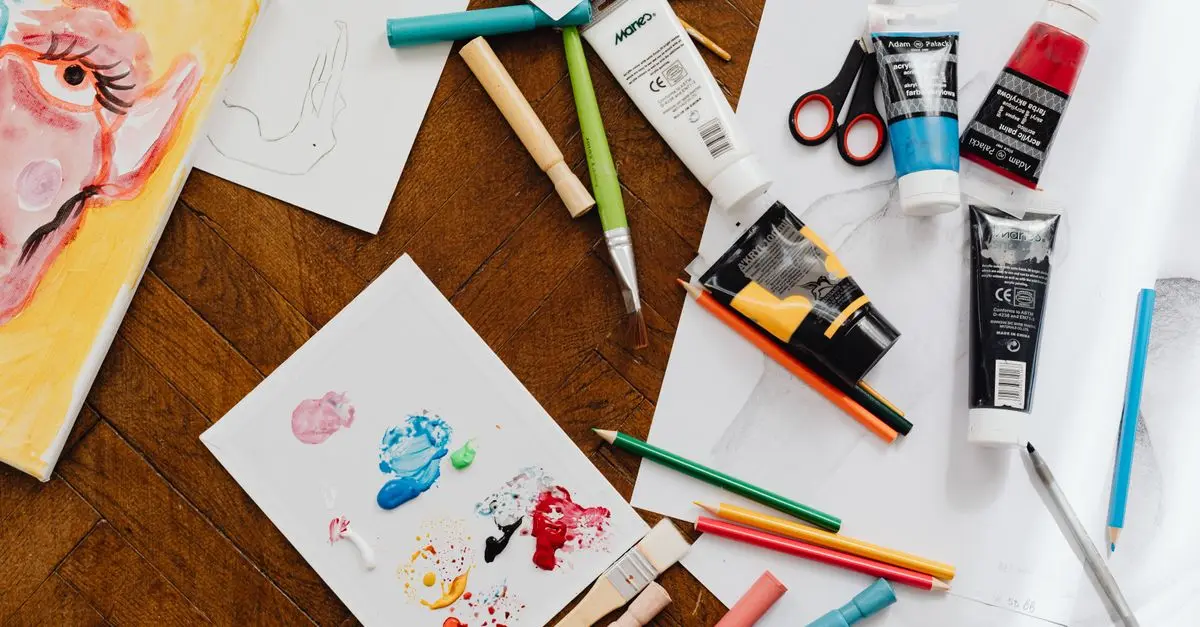
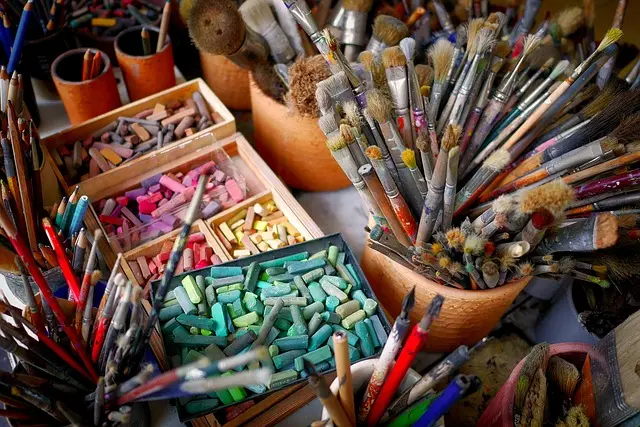
Experimentation is key in finding your unique artistic style. Whether it's painting, drawing, digital art, or sculpture, exploring different mediums can help you discover new techniques and preferences. Each medium offers its own capabilities and challenges, which can shape your artistic voice.
Tips for Success
- Try combining mediums for hybrid works, such as using collage techniques with painting.
- Take classes, either online or in-person, which can expose you to various techniques.
- Allow yourself to make mistakes — they often lead to unexpected and innovative results.
3. Develop Your Signature Techniques
With inspirations and experimentation in place, it's time to develop signature techniques or elements in your work. This can be a specific brushstroke, colour palette, or subject matter that becomes a hallmark of your style.
Becoming Recognisable
Consider keeping a sketchbook specifically for practice and testing out new techniques. For instance, Vincent Van Gogh developed his unique style by consistently using bold, dynamic brush strokes and an expressive use of colour. Identifying your unique techniques not only helps you evolve as an artist but also makes your work more identifiable to your audience.
📺 For further exploration: Developing Your Unique Artistic Style, a comprehensive guide on YouTube. Search: developing unique artistic style.
4. Seek Constructive Feedback
Once you have created several pieces, it’s valuable to seek feedback from other artists, mentors, or even friends and family. Constructive criticism can provide new perspectives and highlight areas for improvement.
Best Practices for Feedback
- Join local or online artist communities where you'll have access to peers who can offer valuable insights.
- When seeking feedback, ask specific questions about techniques, colour use, or composition.
- Always consider the source of feedback; be sure the critics are knowledgeable in the areas you seek advice.
5. Refine and Evolve Your Style
Artistic growth is a continual process. Over time, you may find your style changing or evolving. Embrace this transformation as part of your artistic journey. Regularly revisiting old works can help you identify common threads and tendencies in your art that you may want to adapt or enhance.
Strategies for Refinement
- Create a portfolio of both your current and past work to assess your progress.
- Always stay open to new influences and techniques, even if they seem far removed from your established style. Over time, your accumulated experiences will contribute to a richer, more sophisticated unique artistic style.
6. Study Art History and Trends
Understanding art history and current trends can be beneficial in developing your unique artistic style. Familiarity with diverse art movements can inspire your work and lead to innovative techniques.
Knowledge is Power
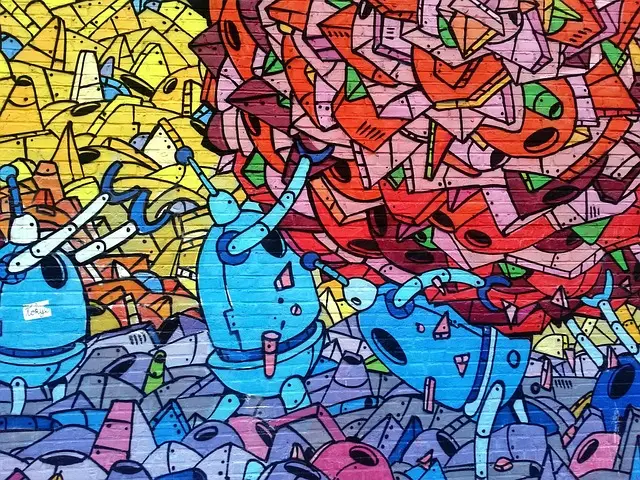
Delve into books on art history and attend exhibitions or galleries to observe current trends. For instance, contemporary artists like Kara Walker and Banksy challenge traditional boundaries, which can fuel new ideas in your artistic practice. By marrying historical knowledge with current trends, you can cultivate a more authentic and informed style.
7. Create Regularly and Stay Committed
Commit to a consistent practice. Developing a unique artistic style is not an overnight process, and regular engagement with your art is essential.
Building Habits
- Set aside specific times each week dedicated to creating art.
- Consider challenges, such as Inktober or Draw This in Your Style on social media, to stay motivated. Consistency will not only improve skills but also deepen your connection to your art.
Checklist for Developing Your Unique Artistic Style
- [ ] Identify inspirations and collect references.
- [ ] Experiment with at least three different mediums.
- [ ] Identify and refine at least one signature technique.
- [ ] Seek feedback from peers and mentors.
- [ ] Regularly revisit and evolve your personal style.
- [ ] Study influential artists and art history.
- [ ] Commit to a regular practice schedule.
Glossary
| Terme | Définition |
|---|---|
| Artistic Style | Unique set of characteristics that distinguish an artist's work. |
| Medium | The materials or techniques used by an artist to create their work. |
| Constructive Feedback | Thoughtful critique aimed at improving an artist's work. |
> 🧠 Quick Quiz: What is a unique characteristic of your artistic style?
> - A) Use of colour
> - B) Specific techniques
> - C) Subject matter
> Answer: B) Specific techniques — Your techniques often define your unique voice!
📺 Pour aller plus loin : developing unique artistic style sur YouTube