Contents (10 sections)
Finding and developing your artistic style is crucial to any aspiring artist. This guide provides beginners with a clear pathway to explore their creativity and establish a unique style that resonates with them. Below are essential tips and steps to help you on your journey of artistic development.
1. Understand What Artistic Style Means
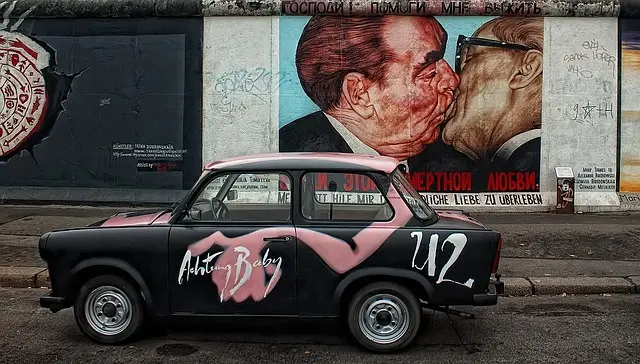
Artistic style refers to a distinctive visual appearance, characterized by specific techniques, colours, and subjects that an artist chooses to express their thoughts and emotions. The significance of developing your style lies in its ability to convey your identity and perspective as an artist. Many successful artists, such as Pablo Picasso and Frida Kahlo, are recognised not only for their work but for their unique styles that have become synonymous with their names.
When beginning to explore your style, it’s helpful to consider what elements of existing art resonate with you. Is it the use of colour, form, or technique? This self-reflection will guide your practice and help you identify your preferences as you continue to develop your skills.
2. Experiment with Different Mediums
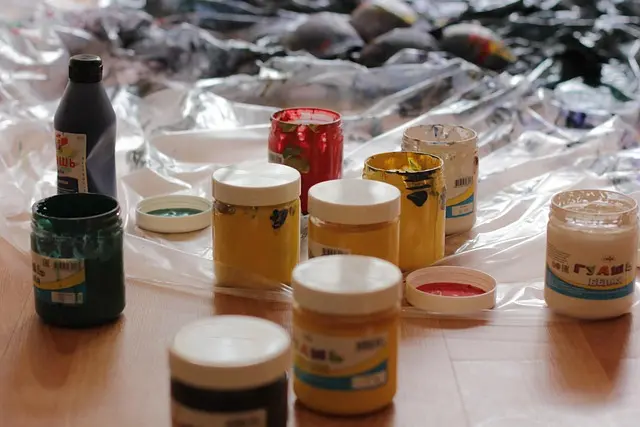
To effectively develop artistic style, it's imperative to experiment with various mediums. Whether it’s painting, drawing, digital art, or sculpture, each medium offers different possibilities for expression. Start by trying out various tools and materials — watercolours, acrylics, charcoal, or digital software.
For instance, if you’re typically a painter, consider taking a sculpting class or experimenting with photography for a while. This breadth of experience allows you to understand the strengths and limitations of each medium, ultimately contributing to a richer artistic voice.
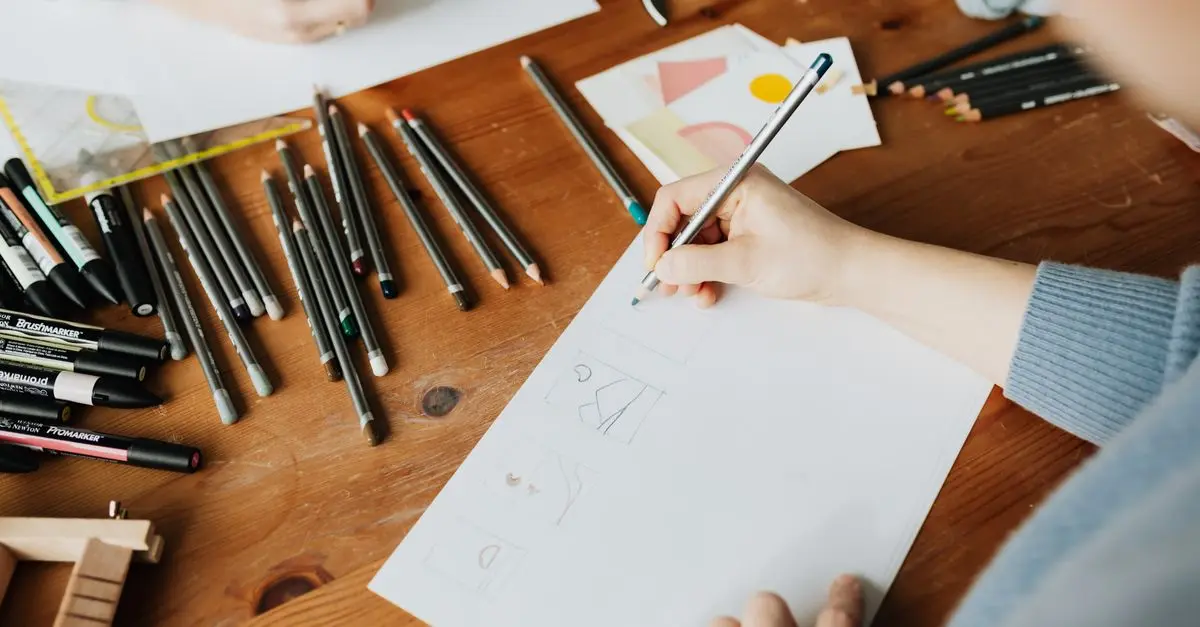
Tip: Keep a sketchbook dedicated to your experiments. Note down your thoughts and feelings during each session to better reflect on your creative process later.
3. Develop Technical Skills
Before you can fully express your artistic style, developing fundamental technical skills is essential. This involves learning techniques related to your chosen medium, understanding composition, colour theory, and perspective. Many artists underestimate the value of strong technical skills in enhancing their creativity.
Consider enrolling in online classes, attending workshops, or following tutorials from established artists. Platforms like Skillshare or YouTube provide a wealth of resources tailored to various skill levels.
Common Mistakes to Avoid: Don't rush the learning process or skip foundational techniques, thinking your unique style will emerge automatically. Patience is vital; mastery of the basics can significantly influence your creative outcomes.
4. Create a Personal Visual Library
One effective way to refine your artistic style is by creating a personal visual library filled with images, artworks, and inspirations that resonate with you. This could include images from exhibitions, other artists’ works, photographs, or even natural landscapes that inspire you.
As you gather these visuals, take note of particular elements that attract your attention: What colours are prevalent? Are there recurring themes or styles? This visual library becomes a crucial reference point as you continue your journey toward developing your unique style.
You can also use platforms like Pinterest to digitally curate your collection. Over time, patterns in your preferences will begin to emerge, guiding your artistic decisions.
5. Practice Regularly and Reflect on Your Progress
Setting aside time for regular practice is vital for developing your artistic style. Challenge yourself to create a piece every week, or maintain a daily sketching routine. The discipline of regular creation will not only enhance your technical skills but also prompt deeper exploration of your artistic voice.
Additionally, take time to reflect on your work periodically. Look back at pieces from a month or six months ago and assess what aspects you like or dislike. This reflection allows you to identify growth areas, trends in your creations, and shifts in your stylistic preferences over time.
Pro Tip: Consider joining artist communities, whether locally or online, where feedback and discussions can help spur growth and reflection.
6. Get Feedback and Be Open to Critique
Engaging with other artists and receiving constructive feedback can significantly aid in developing your artistic style. Collaborating with peers or sharing your work on platforms like Instagram or DeviantArt can provide new perspectives on your creations.
When seeking feedback, be open-minded and ready to listen. Critique can reveal aspects of your work you may not notice yourself, such as recurring themes or technical issues that require attention.
Common Pitfalls to Avoid: Don't internalise negative feedback. Use it as a tool for growth rather than discouragement. Consider feedback a helpful roadmap for refinement rather than a personal critique.
7. Trust Your Instincts and Embrace Mistakes
Lastly, trust your instincts when creating. Artistic style often emerges from personal expression rather than adherence to formal techniques or standards. Don’t shy away from making bold choices or taking creative risks; some of the most significant artistic breakthroughs come from unexpected decisions.
Remember, mistakes can lead to innovative ideas and solutions you may never have considered. Embrace spontaneity within your practice, and allow your work to evolve naturally without the pressure of perfection.
Checklist Summary for Developing Your Artistic Style
- [ ] Understand what artistic style means.
- [ ] Experiment with different mediums.
- [ ] Develop your technical skills.
- [ ] Create a personal visual library.
- [ ] Practice regularly and reflect on your progress.
- [ ] Get feedback and be open to critique.
- [ ] Trust your instincts and embrace mistakes.
📺 For Further Exploration:
[How to Find Your Unique Artistic Style], a complete analysis on developing your creative identity. Search on YouTube: how to develop artistic style.
Glossary
| Terme | Définition |
|---|---|
| Artistic Style | Un ensemble de caractéristiques visuelles distinctes qui définissent l'œuvre d'un artiste. |
| Medium | Le matériau ou la méthode utilisée pour créer une œuvre d'art, comme la peinture, le dessin ou la sculpture. |
| Visual Library | Une collection personnelle d'images et d'œuvres qui inspirent un artiste et influencent leur style. |
> 🧠 Quick Quiz: What is the most important part of developing your artistic style?
> - A) Following current trends
> - B) Experimenting with different mediums
> - C) Perfecting technical skills
> Answer: B — Experimenting allows you to find elements that resonate with your unique expression.
📺 Pour aller plus loin : how to develop artistic style sur YouTube