Contents (11 sections)
Starting an art blog is an exciting way to share your creativity and connect with fellow artists. In this guide, we'll take you through the essential steps needed to launch your first art blog effectively.
1. Define Your Niche and Purpose
Before diving into the technical aspects of creating a blog, it's vital to define your niche and purpose. What makes your artwork unique? Consider focusing on a specific genre, such as abstract painting, digital art, or illustration. According to research by UFC-Que Choisir, having a defined niche can help you attract a targeted audience, leading to a more engaged readership.
Your purpose should also be clear. Are you looking to sell your artwork, share techniques, or document your artistic journey? Setting these parameters will guide your content creation. For example, if your goal is to sell art, you might want to incorporate an ecommerce element into your blog.
2. Choose a Blogging Platform
Selecting the right blogging platform is crucial for your art blog. There are several options available, each with its pros and cons. Two of the most popular platforms are WordPress and Blogger.
| Platform | Ease of Use | Customisation | Cost | Verdict |
|---|---|---|---|---|
| WordPress | Moderate | High | Variable | Best for artists |
| Blogger | Easy | Low | Free | Good for beginners |
Once you've chosen a platform, register for a domain name that reflects your artistic identity. A memorable domain can enhance your blog's visibility and professionalism.
3. Design Your Blog
The design of your blog should reflect your artistic style. Most blogging platforms offer themes that can be customised easily. Choose a clean, visually engaging theme that allows your artwork to shine. Consider the following elements:
- Colour Scheme: Pick colours that complement your art style. Soft pastels might suit a delicate illustration style, whereas bold hues could enhance a vibrant abstract portfolio.
- Navigation: Ensure your blog is easy to navigate. Categories might include a portfolio, blog posts, and an about page.
- Mobile Responsiveness: Many users access blogs via mobile devices, so choose a theme that looks good across all devices. This will help in improving user engagement.
4. Create Engaging Content
Content is king, especially in the blogging world. Start with some foundational posts that introduce your audience to your work. Here are several ideas:
- Artist Statement: Describe your style, inspiration, and goals.
- Tutorials: Share step-by-step guides on your artistic processes.
- Project Updates: Document your projects, showing progress from conception to completion.
It's essential to maintain a consistent posting schedule. Regularly updating your blog keeps your audience engaged and encourages return visits. Make use of SEO techniques by including relevant keywords naturally within your content, aiding in attracting organic traffic to your art blog.
5. Promote Your Art Blog
Once you've set up your blog and created content, it's time to promote it. Leverage social media platforms such as Instagram, Pinterest, and Facebook, which are particularly popular in the art community. Here are some tips:
- Join Art Communities: Participate in online forums or groups that resonate with your niche. Engage in discussions and share your blog posts when relevant.
- Email Newsletter: Consider building an email list to keep your audience updated on new posts, upcoming events, or art sales. Tools like Mailchimp can help you get started.
- Collaborate: Partner with other artists or influencers to broaden your reach. Guest posts or social media takeovers can introduce your blog to new audiences.
6. Monitor Your Growth
Tracking your blog’s performance is critical for understanding what works and what doesn’t. Use tools like Google Analytics to monitor traffic, bounce rates, and audience demographics. Evaluating this data can provide insights into your audience's interests and preferences.
Adjust your content strategy accordingly. For instance, if you notice tutorial posts receive more engagement, consider expanding on this theme with more detailed guides and workshops.
📺 Resource Video
> 📺 To go further: Watch How to Start an Art Blog in 2026, a comprehensive guide to launching your online art presence. Search for: how to create an art blog 2026.
Checklist Before Launching Your Art Blog
- [ ] Define your niche and purpose.
- [ ] Choose and register your blogging platform.
- [ ] Design your blog layout.
- [ ] Create foundational content.
- [ ] Set up social media profiles.
- [ ] Create an email subscription list.
- [ ] Install analytics tools.
- [ ] Promote your blog through various channels.
Glossary
| Term | Definition |
|---|---|
| Niche | A specialised segment of the market for a specific kind of art. |
| SEO | The practice of optimising content to rank higher in search engines. |
| Domain Name | A unique address for your blog on the internet. |
🧠 Quick Quiz:
> What is the most crucial first step in launching your art blog?
> - A) Choosing a platform
> - B) Defining your niche
> - C) Designing your blog
> Answer: B — Defining your niche helps you target your audience effectively.
Ready to embark on your blogging journey? With these essential steps, you're well on your way to sharing your passion for art and connecting with fellow creatives!
📺 Pour aller plus loin : how to create an art blog 2026 sur YouTube
Recommended products
Selected by our experts

Blogging Diploma Online Training Course
Learning 24/7
This blogging course offers a comprehensive overview of blogging essentials, perfect for artists looking to create their first blog.

18inches Tik Tok Beauty blogger Live Show Ring Lights with Tripod bracket for Online Broadcast
Alibaba UK
This handheld phone video rig is ideal for artists who want to create engaging video content for their blog.
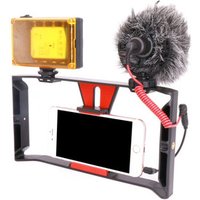
Handheld Phone Video Rig for iPhone 7 smartphone Video bloger
Alibaba UK
An excellent choice for those looking to enhance their video quality when sharing tutorials on their art blog.