Contents (11 sections)
Creating an artist portfolio is more than just compiling your best works; it’s about curating an experience that authentically represents you as an artist. Whether you're an emerging talent or an established creator, having an impressive portfolio is crucial for showcasing your work to potential clients, galleries, and collaborators. In this guide, we will explore the essential steps to build an impactful artist portfolio that captivates audiences.
1. Define Your Artistic Identity
Before you begin assembling your portfolio, it’s vital to establish your artistic identity. What themes do you explore? What styles do you gravitate towards? Identifying your unique voice will help you create a cohesive collection of work that speaks to your audience.
Take a moment to reflect on your influences and the messages you wish to convey through your art. For instance, if your works predominantly feature nature themes, ensure that your portfolio encapsulates this focus clearly. According to a survey conducted by the Artists Network in 2025, over 70% of successful artists believe a defined style helps them stand out. Hence, clarity in your artistic identity will assist viewers in understanding your vision.
2. Select Your Best Work
Choosing the right pieces for your portfolio is essential. Aim to include around 10 to 20 works that best represent your skills, diversity, and growth as an artist. Quality always trumps quantity. Each piece should be selected not just because you like it but because it adds depth to your portfolio.
Consider how each piece demonstrates your skill set or artistic journey. For example, if you have transitioned from abstract painting to more figurative works, include examples from both phases. In addition, many artists fall into the trap of including every piece they’ve ever created. Avoid this by being selective, as a tight, well-curated show will resonate more powerfully than an exhaustive collection.
3. Organise Your Portfolio
How you organise your portfolio can significantly impact how your work is perceived. A clear structure allows your audience to navigate your art easily. Common organisational strategies include chronological order, thematic categories, or medium types.
For instance, if your works include paintings, sculptures, and digital art, consider segmenting your portfolio accordingly. This will help potential clients or curators quickly identify pieces relevant to their interests. According to The Creative Boom, portfolios that are well-structured are 60% more likely to hold the viewer's attention for longer periods.
4. Write Descriptive Context
For each piece, include a short description. This context can provide invaluable insight into your creative process, inspiration, or the techniques employed. When viewers understand the thought behind a piece, they can appreciate it more deeply.
Consider incorporating stories or concepts that influenced your work. If a particular artwork was inspired by a personal experience or a broader societal issue, sharing this can forge a connection with your audience. Create an engaging narrative that offers a glimpse into your artistic journey, which is often a critical component in engaging potential clients or galleries.
5. Choose the Right Format
Deciding on the format of your portfolio is crucial in today's digital age. You can choose between traditional physical portfolios and digital formats. Digital portfolios can be more easily shared and accessed by a wider audience, while physical copies still hold a special weight, particularly in galleries or interviews.
Platforms such as Adobe Portfolio and Squarespace provide accessible ways to build stunning online portfolios, while taping into print can offer a tactile experience that can be equally powerful. Ensure your selected format aligns with your artistic identity and the audience you are targeting.
6. Keep it Updated
An artist’s portfolio should never be static. As you grow, your portfolio should too. Regularly update your selection with newer works and remove pieces that no longer represent the artist you are becoming. This not only showcases your progress but also keeps your portfolio fresh and engaging for viewers.
A Harvard Business Review report from 2025 highlights that continuously updated portfolios attract more engagement and inquiries, reinforcing the idea that evolution is key to an artist's success. Make it a regular practice to review your portfolio at least once a year as you refine your skills and explore new avenues in your artistic journey.
7. Get Feedback
Before finalising your portfolio, seek feedback from trusted peers or mentors. They can offer perspective on which pieces truly resonate and provide constructive criticism regarding layout and descriptions. Additionally, joining networks or groups on platforms like LinkedIn or Instagram can yield valuable insights from fellow artists.
Receiving feedback not only helps you see the portfolio from an external perspective but ensures that you present work that connects with your intended audience. Remember, constructive feedback is a vital part of the artistic process, and leveraging this can significantly enhance the quality of your portfolio.
Checklist before Finalising Your Portfolio
- [ ] Define your artistic identity clearly.
- [ ] Select a balanced array of best works.
- [ ] Organise pieces logically for easy navigation.
- [ ] Write engaging descriptions for each work.
- [ ] Choose the appropriate format (digital vs. physical).
- [ ] Update your portfolio regularly.
- [ ] Seek feedback from trusted sources.
Glossary
| Terme | Définition |
|---|---|
| Artistic Identity | The unique voice that reflects an artist's themes, styles, and influences. |
| Digital Portfolio | An online collection of an artist's works, often easier to share than physical. |
| Curation | The selection and organisation of works in a portfolio that tells a story or theme. |
> 📺 For further insight: *
À lire aussi
Recommended products
Selected by our experts

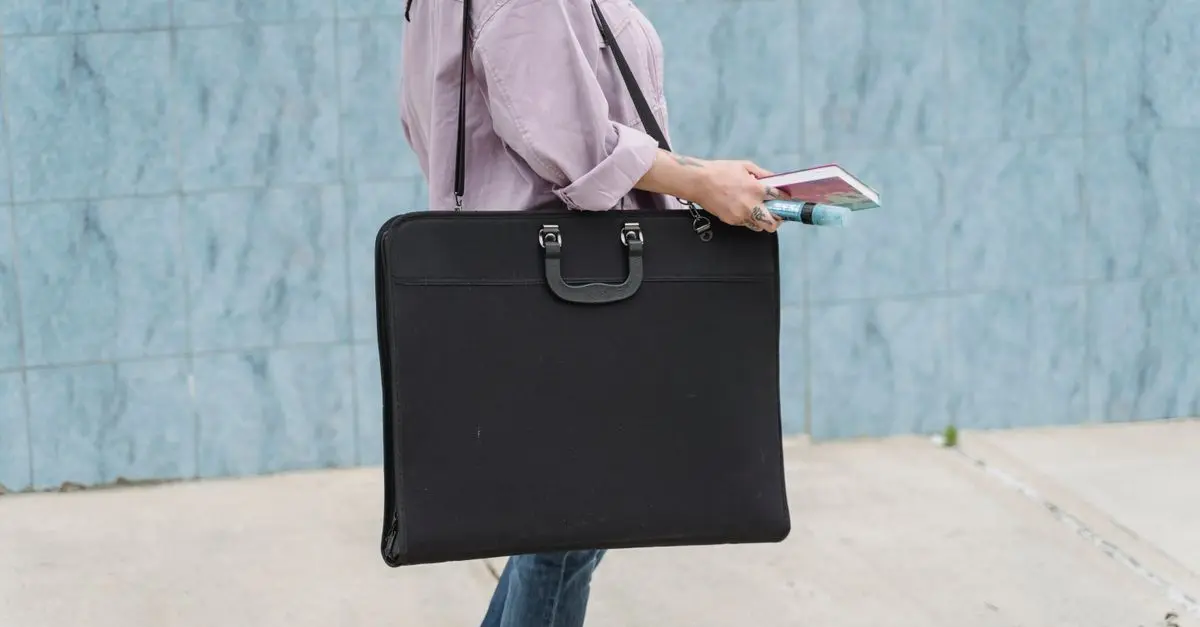
Large Zip A4 Portfolio Pouch - Capra Large Zip A4 Portfolio Pouch - Capra - 26.5(h) x35(w) x 3(d) cm - Black - Cp2126bej
Case Luggage

Artisan&Artist Artisan & Artist Multifunctional Parachute Hand Strap Yellow/Black- Camera & Optic Accessories~~Camera Accessories~~Camera Bags
parkcameras.com


Schmincke : Norma : Professional Artists' Oil : 35ml : Black Iron Oxide
craftyarts.co.uk

Acer Chromebook Tab 311 D723N - 11" WUXGA Touchscreen, MediaTek Kompanio 520, 8GB, 128GB, Portfolio Keyboard and Active Stylus Tablet
Back to the Office