Contents (10 sections)
Creating a unique artistic style is essential for any artist striving to distinguish themselves in a competitive landscape. With saturation in the art community, defining your personal voice can lead to more significant opportunities and recognition. This tutorial will guide you through actionable steps to cultivate your distinctive style, focusing on information, methodology, and pitfalls to avoid.
Step 1: Understand Your Influences
To carve out your unique artistic style, first reflect on the influences that shape your vision. Begin by making a list of artists, styles, and movements that resonate with you. This research will help you identify common themes or techniques that captivate you. For example, you might admire Vincent van Gogh for his use of colour and texture or Frida Kahlo for her emotive subject matter.
Spend time analysing their works carefully, recognising what draws you to their art specifically. Consider not just the visual aspects but also the feelings elicited by their work. For instance, the Impressionist movement's emphasis on light and colour plays a crucial role in how many artists convey emotion.
Avoid the common trap of copying these influences directly. Instead, allow their inspiration to inform your process as you experiment with integrating various techniques and concepts into your work. This will lay the groundwork for a style that feels authentic and deeply personal.
Step 2: Experiment with Various Mediums
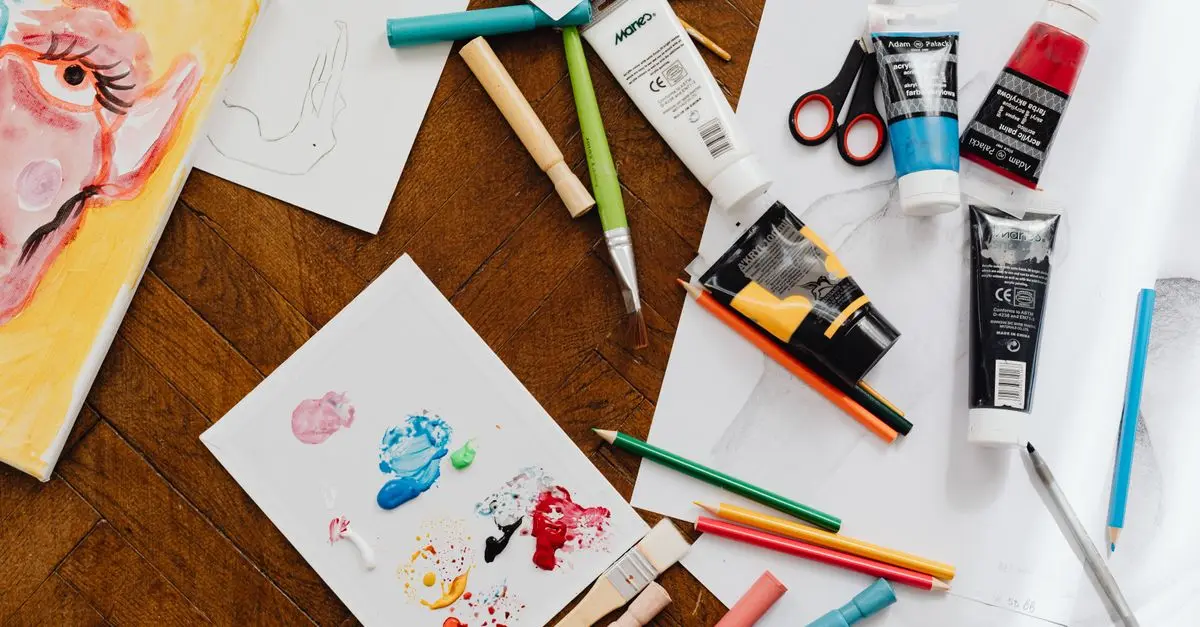
Exploring different mediums and techniques can significantly influence your artistic development. If you typically paint with acrylics, consider trying watercolours or even digital art. Each medium has its unique qualities, which can open new avenues for self-expression.
Many artists find that creating in multiple mediums leads to surprising results; for example, a charcoal sketch could inspire a vibrant acrylic painting. Another common approach involves combining mediums—collage, for instance, allows you to layer different materials and images, creating a rich tapestry that reflects diverse influences.
During this experimentation stage, keep an open mind and document your journey. Maintain a sketchbook or journal to track your thoughts, ideas, and techniques that resonate with you. This practice not only helps clarify your preferences but also serves as an invaluable resource as you refine your artistic style.
Step 3: Develop Key Themes and Concepts
As you experiment with various techniques, start to identify consistent themes in your work. These could range from personal experiences, social commentary, or explorations of nature. For instance, you might find yourself repeatedly drawn to themes such as identity, transience, or freedom.
Artworks created with a clear thematic direction will resonate more profoundly with viewers. Kara Walker, for instance, focuses on race and historical narratives, embedding powerful messages within her work.
To help define your themes, consider creating a mind map—write your core ideas in the centre and branch out to related topics, concepts, or imagery. This visual representation can clarify your vision and guide your future pieces. Moreover, discussing your themes with fellow artists or mentors can provide valuable feedback and inspire new ideas.
Step 4: Create Consistently
Consistency is vital for honing your unique artistic style. While experimentation is crucial, dedicating regular time to create will help solidify your evolving style. Set achievable goals—perhaps aim to finish one piece weekly or commit to daily sketching for a set period.
Utilising daily prompts can also be beneficial. These could be as simple as an object in your home or a colour you've never used. Regularly working within these constraints encourages creativity and helps in understanding your preferences.
Additionally, seeking feedback from peers or mentors can aid in refining your work. Critique sessions provide insights into areas for improvement while also revealing strengths you may overlook.
Step 5: Embrace Evolution and Change
As an artist, it's important to recognise that your style is a living entity, capable of growth and evolution. While it’s vital to develop a distinctive voice, accepting change is equally essential. This might stem from new experiences, techniques learned, or shifts in the art world.
Many artists journey through different styles, such as Pablo Picasso, who traversed from realism to Cubism throughout his career. Allowing yourself the freedom to explore new styles can enrich your overall artistic expression.
Reflecting on your growth periodically assists in recognising patterns. Perhaps after a few months, revisit your journal and artworks to identify shifts in your themes or mediums. This self-reflection will not only maintain your motivation but will continually enhance your unique artistic identity.
📺 Resource Video
> 📺 For further exploration: Watch our detailed guide on building a unique artistic style, an engaging overview of various techniques. Search on YouTube: "how to develop a unique artistic style".
Comparison of Artistic Styles
| Style | Characteristics | Notable Artists | Suitable Mediums |
|---|---|---|---|
| Impressionism | Light focus, quick brush strokes | Claude Monet | Oil, Watercolour |
| Abstract | Non-representational forms | Jackson Pollock | Acrylic, Mixed Media |
| Realism | True-to-life representation | Gustave Courbet | Charcoal, Oil Paint |
| Cubism | Geometric shapes and fragmentation | Pablo Picasso | Oil Paint, Sculpture |
Checklist Before You Begin
- [ ] Define your artistic influences
- [ ] Experiment with three different mediums
- [ ] Identify key themes in your work
- [ ] Create regularly and set achievable goals
- [ ] Reflect on your growth and embrace change
Glossary
| Term | Definition |
|---|---|
| Artistic Style | A distinctive manner of expression that reflects an artist's vision and techniques. |
| Medium | The materials or technique used to create an artwork (e.g., oil, acrylic, charcoal). |
| Thesis | The central theme or concept that an artwork embodies, providing depth to its interpretation. |
> 🧠 Quick Quiz: What is the most important aspect of developing a unique artistic style?
> - A) Following trends closely
> - B) Experimenting with various mediums
> - C) Using popular themes
> Answer: B — Experimentation leads to discovery!