Contents (11 sections)
Building a strong artistic network is crucial for new artists looking to establish themselves within the art community. Networking opens doors to a variety of opportunities, from collaborative projects to exhibitions and sales. In this article, we’ll outline effective strategies for expanding your artistic network to help you thrive in your artistic journey.
1. Understand the Importance of Networking in the Art World
Networking is not merely about meeting people; it’s about creating meaningful connections that can foster mutual growth. For artists, a robust network can provide not just visibility but also support, creating a community that celebrates and promotes creativity. According to a study by the National Endowment for the Arts, artists who actively engage in networking activities tend to report higher levels of satisfaction in their careers. Joining local art groups, forums online, and attending art fairs are valuable steps towards building this network.
Furthermore, successful artists often cite their relationships as key factors in their success. These connections can lead to exhibition opportunities and introductions to potential buyers or galleries. Networking isn’t just beneficial; it’s essential in a world that thrives on recommendations and word-of-mouth endorsements. The more people know about your work, the more likely you are to sell and exhibit your art.
2. Attend Local Art Events and Exhibitions
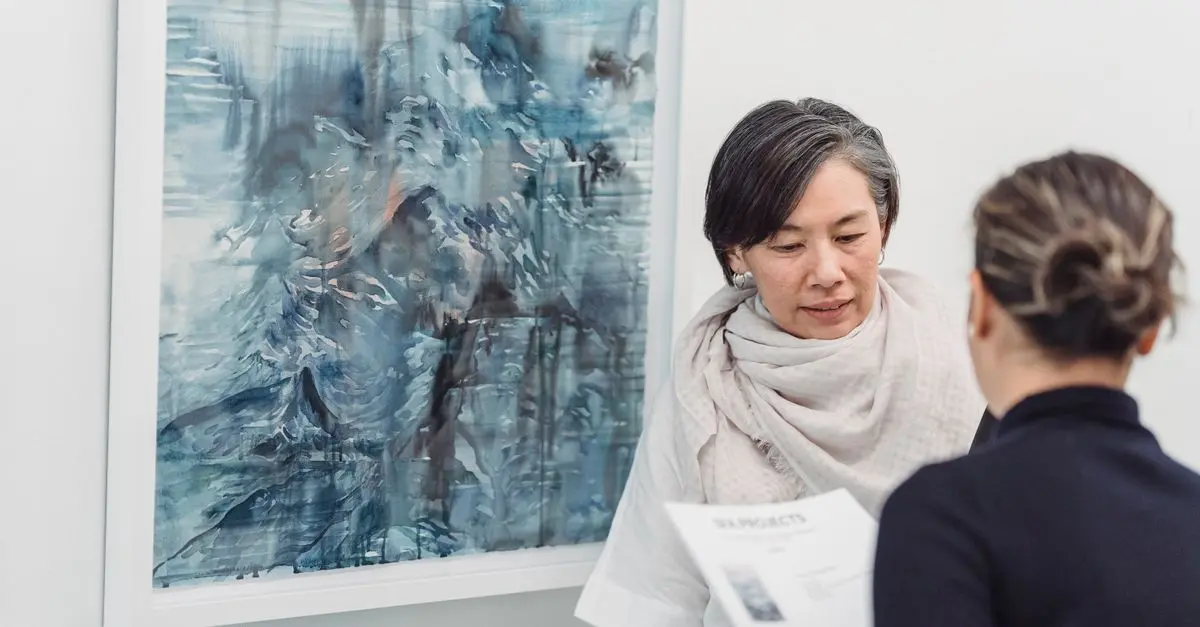
One of the most effective ways to build your artistic network is by attending local art events, exhibitions, and openings. These gatherings provide a platform where you can meet fellow artists, critics, and art enthusiasts. Engaging face-to-face allows for more genuine connections than online interactions.
When attending, prepare yourself to converse and share your artistic journey. A simple introduction, such as stating what inspires your work or your recent projects, can spark meaningful conversations. Offering a business card or a portfolio can also leave a lasting impression.
Additionally, consider volunteering at these events. This not only gives you insight into the industry but also increases your visibility among attendees. Pro tip: Always follow up after an event with the connections you’ve made. A simple message expressing your pleasure in meeting them can go a long way.
3. Utilise Social Media Platforms Effectively
In today’s digital age, social media platforms have become indispensable for artists to showcase their work and connect with peers and potential clients. Instagram, for example, is a visually-driven platform perfect for sharing your projects while engaging with a larger community.
Create a professional account dedicated to your art, using hashtags strategically to reach wider audiences. Regular posts and stories about your artistic process, upcoming events, or thoughts on other artists’ works can foster engagement. According to Hootsuite, posts that include behind-the-scenes content receive 50% more engagement than those that don’t.
Furthermore, participating in online art communities or forums can help you gain insights and feedback on your work. However, remember to engage genuinely with others by commenting on their posts and sharing their work that resonates with you.
4. Collaborate with Other Artists
Collaboration is a powerful tool for expanding your artistic network. Partnering with other artists for joint projects or exhibitions allows you to tap into their network while showcasing your work to an entirely new audience. Consider approaching artists whose style complements yours, and brainstorm ideas for collaborative pieces.
Projects, whether they be art installations, community engagements, or themed exhibitions, can greatly enrich your portfolio while establishing bonds of trust and support. Statistics show that collaborative exhibitions often draw larger audiences, enhancing visibility for all parties involved. Remember, collaboration is a two-way street — be open to sharing ideas and responsibilities.
5. Join Artist Associations and Community Groups
Joining local artist associations or community groups is an excellent way to meet other artists and expand your network. These organisations often provide resources, workshops, and opportunities for collaboration. Membership can also offer exposure through group exhibitions or opportunities to showcase your art in community events.
Consider the financial commitment; some associations offer tiered membership fees based on your level of experience or income. It’s worth investing in these groups as they not only provide professional connections but also skill development through workshops and mentorship. Look for groups that align with your artistic goals and values, ensuring a supportive environment for your growth.
6. Build a Professional Online Portfolio
A professional online portfolio is essential for showcasing your art alongside your biography, experiences, and contact information. Platforms such as Squarespace or WordPress allow you to create visually appealing websites that highlight your style. A well-curated portfolio lets people know your artistic identity and can serve as a crucial networking tool when engaging with potential clients and galleries.
Ensure your portfolio is easy to navigate, mobile-friendly, and regularly updated with your latest works. Include stories or insights behind each piece; this creates a personal connection with viewers, enhancing their interest in your journey as an artist.
7. Follow-Up and Maintain Connections
Networking is not a one-time task; it requires continuous effort and commitment. After establishing connections, make it a point to follow up regularly. Share updates about your work or invite them to events you’re participating in. This ongoing engagement fosters deeper relationships.
Utilising a spreadsheet to track your connections — noting down details like their interests, art styles, or upcoming shows — can help you maintain these relationships more effectively. This attention will likely be reciprocated, enhancing your network organically.
8. Leverage Online Courses and Workshops
Participating in online courses or workshops can serve two purposes. Firstly, they enhance your skills and knowledge, making you a better artist. Secondly, they connect you with fellow artists and instructors, adding more dimensions to your network. Many online platforms, such as Skillshare and Coursera, offer opportunities to learn and network simultaneously.
During these courses, don’t hesitate to interact with others. Forming study groups or collaborations can even begin here, providing additional avenues to expand your network.
Checklist before Networking
- [ ] Research local art events to attend.
- [ ] Create or update your online portfolio.
- [ ] Prepare engaging conversation starters.
- [ ] Join at least one local artist association.
- [ ] Follow up with new connections regularly.
Glossary
| Terme | Définition |
|---|---|
| Networking | Establishing relationships with others to enhance professional growth. |
| Portfolio | A curated collection of an artist's works to showcase skills and style. |
| Collaboration | Working jointly with others on projects or art pieces. |
> 📺 For further insights: Watch "Building Your Artistic Network as a New Artist" for practical tips. Search on YouTube: "how to network as an artist".
🧠 Quick Quiz: What is the primary reason for networking as an artist?
- A) To increase followers.
- B) To collaborate and grow.
- C) To enter competitions.
Answer: B — Collaborating and growing is the essence of effective networking.
📺 Pour aller plus loin : how to network as an artist sur YouTube