Contents (12 sections)
In the ever-evolving world of art, establishing a daily art practice is essential for nurturing creativity and achieving lasting success. A structured routine not only enhances your skills but also builds discipline and enriches your artistic journey. In this guide, we will outline practical steps to help you cultivate a daily art practice that fits your unique style and goals.
1. Define Your Goals
Establishing a daily art practice begins with clear goal-setting. What do you want to achieve? Whether it's improving your technique, experimenting with new styles, or simply expressing your emotions, articulating your goals provides direction and purpose. Take a moment to write down both short-term and long-term objectives. Short-term goals could include completing a painting a week, while long-term goals might involve preparing for an exhibition. A study by UCL found that individuals setting specific goals are 30% more likely to succeed — a compelling reason to invest time in this step. Remember, flexibility is key; as you grow as an artist, your goals may evolve. Additionally, keeping a visual representation of your goals can help remind you of your purpose. Use a vision board or a digital tool like Pinterest to keep your aspirations front and centre.
2. Establish a Routine
Creating a consistent routine is crucial for your daily art practice to flourish. Allocate specific times each day dedicated solely to art. This could be as little as 30 minutes to an hour. The key is consistency; even on days when motivation is low, showing up is half the battle. Try scheduling your art sessions at the same time every day, which can help establish a habit. Research shows it takes about 21 days to form a new habit; thus, commitment during this initial period is vital. For example, your routine could start with warming up by sketching for 10 minutes before diving into a larger project. Document your routine in a planner or app, and consider setting reminders to help maintain focus.
3. Create a Dedicated Space
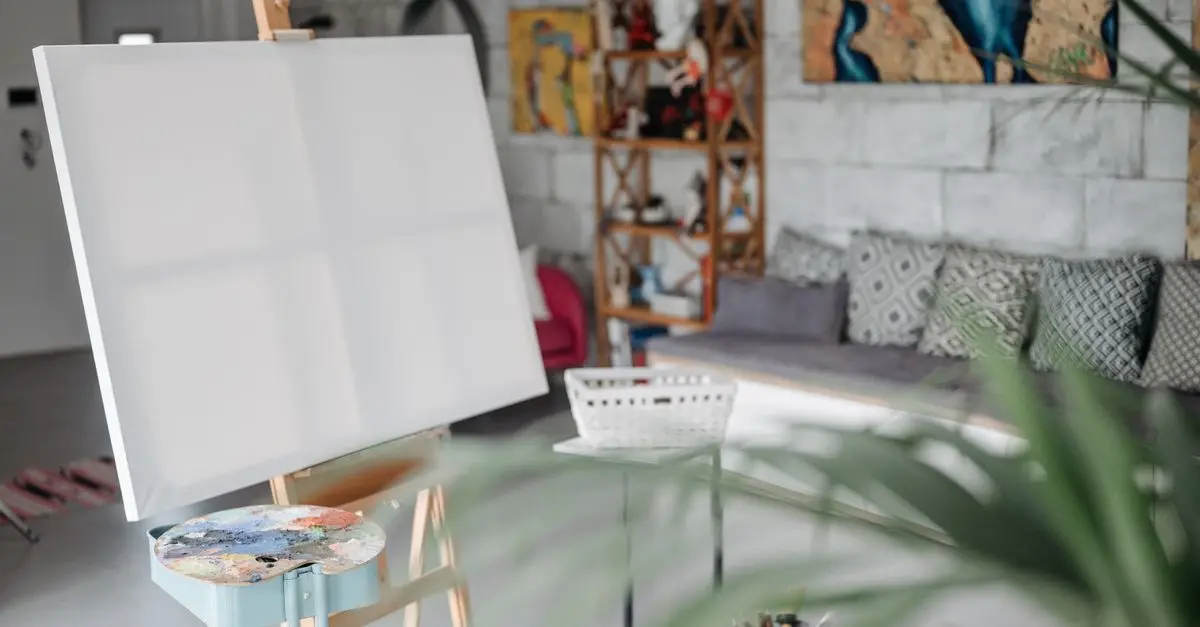
Your environment plays a significant role in fostering creativity. Set up a dedicated art space that inspires you — it could be a corner of a room, a garage, or even a balcony. Ensure this space is well-lit and organised with all your tools and materials easily accessible. According to a survey done by Artfinder, nearly 70% of artists reported feeling more productive in a clutter-free, dedicated workspace. Additionally, personalising your space with motivating artwork or items that inspire you can enhance your creativity. Consider using mood boards or colour palettes that resonate with your artistic vision, turning your workspace into a sanctuary that reflects your aspirations.
4. Experiment and Explore
A daily art practice is not just about repetition; it's an opportunity to explore new techniques and styles. Allocate time each week to experiment with different mediums — whether it's watercolour, acrylics, digital art, or sculpture. This exploration can inspire breakthroughs in your regular work. Creative exploration helps stave off burnout and keeps your passion alive. Set a 'theme' for each week where you experiment with one specific technique. For instance, spend a week focusing on abstract art, learning about various artists in that genre. Free online resources or books can serve as great guides. Engaging with the art community through workshops or online forums can also provide feedback on your experimentation, helping you to grow.
5. Reflect on Your Progress
Reflecting on your artistic journey is fundamental for growth. Regularly reviewing your work allows you to track your progress and identify areas for improvement. Set aside time weekly or monthly to reflect on what you’ve created; consider keeping an art journal where you document your thoughts, techniques used, and any emotions you experienced during the process. This practice not only fosters self-awareness but can also serve as a powerful motivator. By analysing both successes and failures, you can understand your evolving style and preferences. According to Psychology Today, regular reflection encourages a growth mindset, enhancing overall creativity.
6. Seek Feedback and Community
Engaging with other artists is invaluable for your growth. Join local art groups, participate in online forums, or attend workshops to share your work and receive constructive feedback. According to Forbes, artists who actively seek community feedback experience higher levels of satisfaction and development in their practices. Critique from peers can offer perspectives you might overlook. Platforms like Instagram or Behance are excellent for showcasing your work and connecting with fellow creatives. Additionally, consider participating in art challenges or contests to push your boundaries and encourage accountability.
7. Maintain Balance and Avoid Burnout
While dedication is essential, it's equally important to maintain a healthy balance to avoid burnout. Ensure that your daily art practice doesn’t become a source of stress. Set realistic goals and allow yourself downtime. Engaging in other activities or taking breaks when needed is crucial. Mindfulness practices such as meditation can also help manage stress and maintain your focus. Often, stepping away from your art can lead to fresh insights and rejuvenation, so embrace the ebb and flow of your creative journey.
📺 Resource Video
📺 For deeper insights: How to Create a Daily Art Routine, a guide to establishing a successful daily art practice. Search on YouTube:
daily art practice 2026.
Checklist before starting a daily art practice
- [ ] Define clear artistic goals
- [ ] Establish a consistent daily routine
- [ ] Create a dedicated, inspiring art space
- [ ] Explore various art techniques regularly
- [ ] Reflect on your artistic progress
- [ ] Engage with the art community for feedback
- [ ] Maintain balance and avoid burnout
FAQs
Q: How long should my daily art practice be?
A: Start with a minimal commitment of 30 minutes and gradually increase as you become more comfortable.
Q: What materials do I need to start?
A: Begin with basic supplies tailored to your preferred medium, such as sketchbooks, pencils, paint, or digital tools.
Q: Can I still be an artist if I don’t have formal training?
A: Absolutely! Many successful artists are self-taught and learn through practice and exploration.
Q: How do I stay motivated on difficult days?
A: On tough days, focus on smaller, enjoyable tasks, or seek inspiration from your favourite artists or art forms.
Glossary
| Term | Definition |
|---|---|
| Art Practice | The routine and process of creating art on a consistent basis. |
| Reflective Practice | A method of reviewing one's work to foster growth and improvement. |
| Creative Exploration | The act of experimenting with different techniques and styles in art. |
---
📺 Pour aller plus loin : daily art practice 2026 sur YouTube