Contents (11 sections)
Art, in its myriad forms, has always been a reflection of our societies, beliefs, and aspirations. Understanding different art styles helps artists and enthusiasts appreciate the historical and cultural context in which the works were created.
Realism: Capturing the Everyday
Realism emerged in the 19th century as a rejection of romanticism, focusing on portraying everyday life with accuracy. Artists like Gustave Courbet and Jean-François Millet painted scenes of rural labourers, emphasising detail and authenticity. Realism sought to depict subjects as they existed without embellishment, providing a stark commentary on societal issues. This movement was significant in establishing art as a medium to reflect true life, challenging viewers to engage with the mundane realities often overlooked.
Impressionism: Play of Light and Colour
Impressionism broke from the precision of realism. Artists such as Claude Monet and Edgar Degas captured fleeting moments, focusing on the effects of light and atmosphere. This style employed quick brush strokes and aimed to evoke emotion rather than focusing on details. Impressionism revolutionised the art scene, paving the way for modern art by challenging traditional methods and encouraging artists to explore new techniques.
Abstract Art: Emotion Over Form
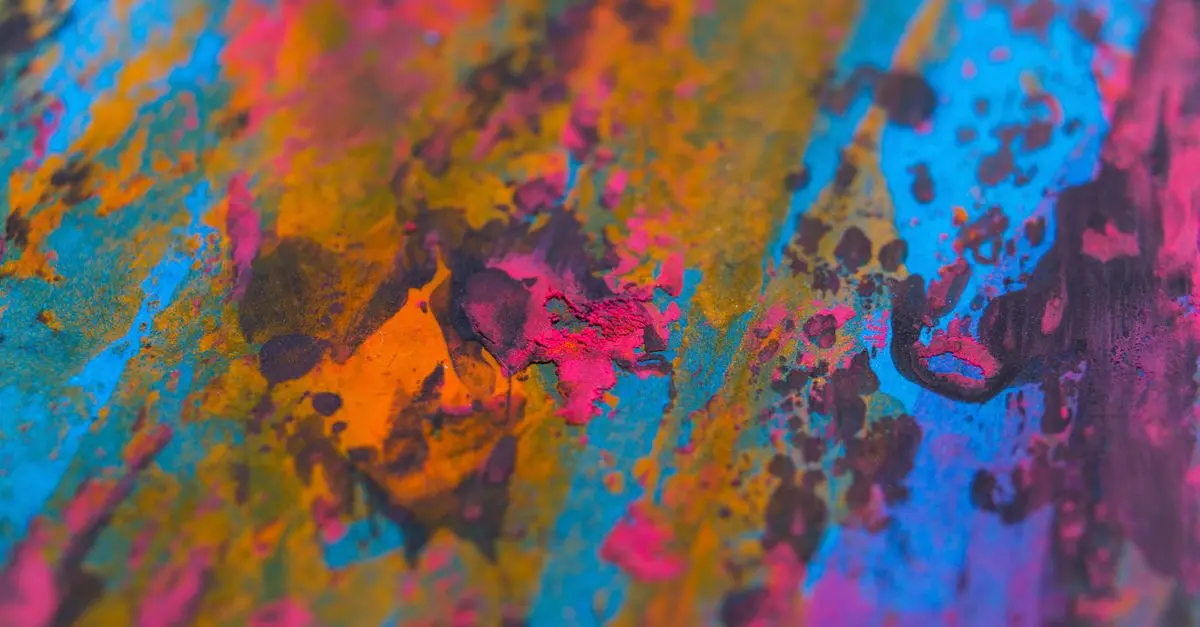
Abstract art, pioneered by Wassily Kandinsky and Piet Mondrian, stripped away identifiable objects, aiming to convey emotions through colour, shape, and form. This style empowers artists to experiment beyond conventional boundaries, presenting viewers with a canvas that speaks to individual interpretation. The prominence of abstract art in the 20th century marked a shift towards personal expression and the inner psyche's exploration.
Expressionism: The Art of Emotion
Emerging in the early 20th century, expressionism prioritised emotional experience over physical reality. Artists such as Edvard Munch and Franz Marc used vivid colours and dramatic themes to express dissatisfaction with modern society's impact on the human spirit. This style created a profound connection between the viewer and the artist's innermost feelings.
Comparative Analysis
| Criterion | Realism | Impressionism | Abstract Art |
|---|---|---|---|
| Focus | Everyday life | Light and atmosphere | Emotion and form |
| Technique | Detailed depiction | Quick brushstrokes | Colour and shapes |
| Pioneers | Courbet, Millet | Monet, Degas | Kandinsky, Mondrian |
According to the Art Market Report 2025, abstract art sales have seen a 15% increase year on year, reflecting a growing appreciation for its non-representational forms. Meanwhile, realism remains a staple in academic and museum settings, often valued for its historical significance and technical skill.
📺 Resource Video
📺 For further exploration: Exploring Various Art Styles: An In-depth Analysis, a comprehensive look at these fascinating themes. Search on YouTube: "art styles analysis."
- What defines an art style?
Art styles are distinguished by their unique techniques, themes, and philosophies.
- What made abstract art revolutionary?
Abstract art revolutionised by focusing on emotion and interpretation, not just form.
- How do impressionists achieve their effect?
Impressionists use quick brushwork and vibrant colours to capture light and mood.
- Which art style is popular now?
Abstract art continues to rise in popularity, especially in contemporary galleries.
Glossary
| Term | Definition |
|---|---|
| Realism | Art style aimed at representing life in its true essence. |
| Impressionism | Focuses on capturing light and momentary effects. |
| Abstract Art | Art that uses shapes and colours to convey emotions. |
- [ ] Explore examples of realism and their historical context.
- [ ] Study impressionist techniques and artist contributions.
- [ ] Investigate abstract art pieces and their emotional impact.
- [ ] Compare and contrast different art styles.
- [ ] Consider visits to museums showcasing various art styles.