Contents (16 sections)
Creating and nurturing your artistic talents is an opportunity to engage with the world in a unique and personal way. Whether you're a painter, musician, writer or creator in any other medium, understanding how to develop your skills can lead to greater satisfaction and success in your artistic journey. Below, we explore effective strategies for nurturing artistic talents, enabling you to make the most of your creative potential.
1. Cultivate a Routine of Creativity
Establishing a regular creative routine is vital. It allows you to dedicate time specifically to your craft, reinforcing good habits. Research shows that carving out consistent time—ideally daily or weekly—can significantly enhance your creativity. For instance, Julia Cameron, author of The Artist's Way, advocates for morning pages, where you write three pages of stream-of-consciousness thoughts every morning. This habit can free your mind and inspire creativity.
2. Seek Feedback and Collaboration
Engaging with fellow artists through feedback and collaborative projects can be incredibly beneficial. Not only does it provide fresh perspectives on your work, but collaboration can also introduce you to new techniques and ideas. As the famous artist Vincent van Gogh noted, “What is done in love is done well.” Collaborating often leads to unexpected breakthroughs that can enhance your skills profoundly.
3. Embrace Lifelong Learning
The creative landscape is constantly evolving with new techniques and trends. Investing in your education, whether through workshops, online courses, or literature on your craft, is crucial. Platforms like Skillshare or Udemy offer a plethora of courses tailored to various artistic disciplines, ensuring you remain engaged and informed about the latest methodologies and technologies. This commitment to learning fosters growth and keeps you inspired.
4. Create a Comfortable Workspace
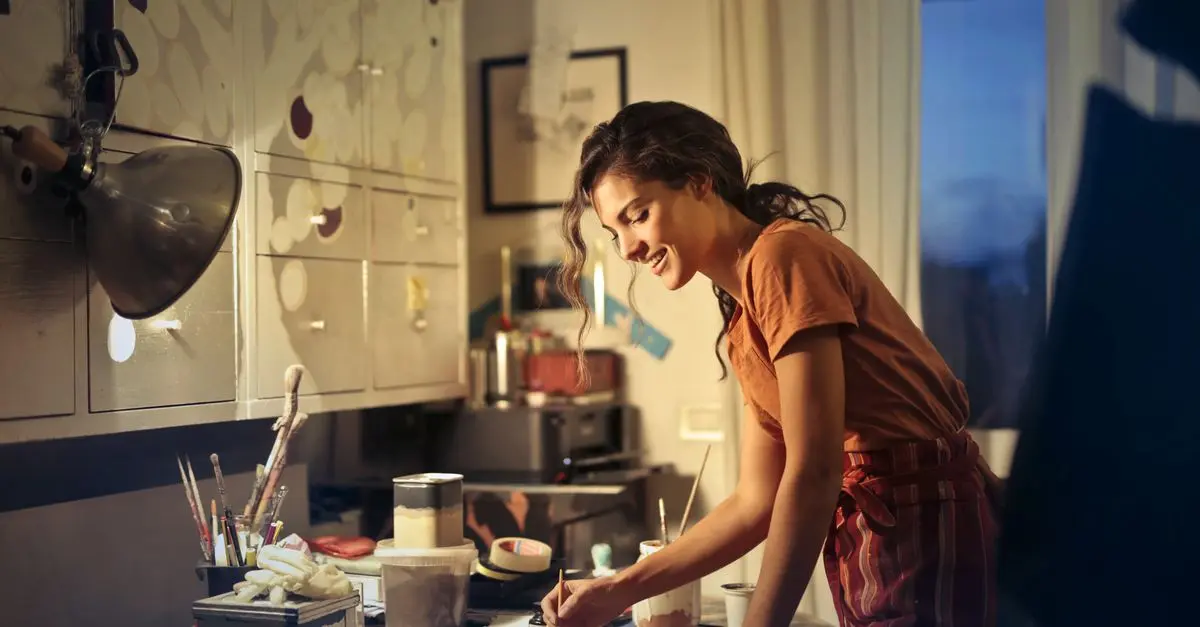
A conducive environment can significantly enhance your artistic output. Surround yourself with tools that inspire you and minimise distractions. Research indicates that bright, natural lighting enhances creativity. Consider setting up a dedicated space for your art, filled with materials that spark joy and creativity. A well-organised workspace can lead to more productive sessions and reduce procrastination.
5. Develop a Portfolio Early
Documenting your work is essential as it allows you to track your progress and reflect on your development over time. A strong portfolio is crucial for showcasing your skills to potential employers or collaborators. Start by compiling your best pieces and consider including an artist's statement that eloquently articulates your artistic philosophy and aims. This personal touch makes a significant impact on those reviewing your work.
6. Engage with the Community
Participating in local art events or online forums can provide a sense of belonging and encouragement. Engaging with others in your field opens doors for networking and professional relationships that can greatly benefit your artistic journey. Involvement in community art projects or workshops can also expose you to diverse perspectives and creative practices that enrich your own work.
7. Experiment with Different Mediums
Broadening your artistic practice by experimenting with different mediums can refresh your creativity. Trying out new materials or techniques can inspire different approaches to your standard work. For instance, a painter might explore digital art programs, while a musician might experiment with varying genres. This form of exploration can reveal hidden talents and innovative ideas.
8. Manage Your Expectations
It’s important to recognise that artistic growth takes time. Major improvements seldom occur overnight. Instead, focus on the journey rather than solely on the outcome. Pablo Picasso famously noted, “It took me four years to paint like Raphael, but a lifetime to paint like a child.” Allow yourself to make mistakes and learn from them—this often leads to the most significant progress.
9. Take Breaks
Though it sounds counterproductive, allowing time away from your craft is essential for maintaining mental clarity and inspiration. Stepping back can offer a fresh perspective upon returning to your work. Techniques such as meditation or mindfulness can also help clear mental blocks and encourage creative thought. Studies show that taking short breaks during long work sessions increases focus and creativity when you resume.
10. Reflect on Your Progress
Taking time to reflect on your artistic journey can provide insight into your growth, challenges and successes. Keep a journal of your experiences, noting what techniques have worked well and where improvement is needed. This practice not only stimulates self-awareness but can also guide you in setting realistic goals for the future.
11. Set Specific Goals
Setting attainable goals can significantly impact your artistic practice. Goals give you direction and can help motivate you through difficult creative phases. For instance, you might aim to complete a certain number of works per month or dedicate a set time each week to experiment with a new medium. Having clear, specific intentions can help keep your artistic motivation alive.
12. Find Your Unique Voice
Finally, understanding and developing your unique artistic voice is essential for personal fulfilment. It's important to explore different influences and styles to find what resonates most with you. As you cultivate your skills, experiment with integrating various elements that reflect your identity. Embrace your uniqueness; this is often where the most vibrant and profound art emerges.
📺 Resource Video
Discover techniques for enhancing creativity and nurturing your artistic talents in this insightful video, exploring essential methods that can help artisan growth. Look up: "nurturing artistic talents" on YouTube.
Checklist before nurturing your artistic talents
- [ ] Establish a regular creative routine
- [ ] Seek feedback from others
- [ ] Engage in lifelong learning opportunities
- [ ] Create a conducive workspace
- [ ] Develop and update your portfolio


Glossary
| Term | Definition |
|---|---|
| Artistic Routine | A consistent practice schedule to enhance creativity and skill development. |
| Portfolio | A collection of an artist's best work, showcasing skills and evolution. |
| Creative Collaboration | Working together with other artists to inspire new ideas and techniques. |
---
📺 Pour aller plus loin : nurturing artistic talents sur YouTube
Recommended products
Selected by our experts
Dr. Hauschka Dr Hauschka Rose Nurturing Body Lotion - 145ML
uk.babubas.com
This nurturing body lotion is perfect for creating a comforting ritual before or after your creative sessions, helping to refresh your senses.
Kiehl's Mum & Baby Nurturing Baby Cream
kiehls.co.uk
A gentle baby cream that can be used for hands, providing moisture and care, suitable for artists who work with their hands extensively.