Contents (15 sections)
In the world of art, developing a unique style is essential for standing out and achieving recognition. For new artists, the journey to finding and cultivating a distinctive artistic expression can be both exciting and challenging. This article will explore key strategies to help budding artists navigate their creative paths and establish their unique styles.
1. Understand Your Influences
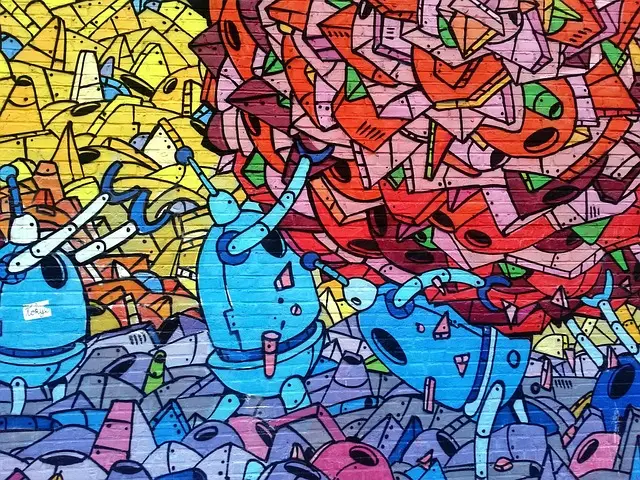
Before you start creating, it’s critical to reflect on the influences that shape your artistic vision. This includes the artists, genres, and art movements that resonate with you. Spend time researching various styles, from Impressionism to Abstract Expressionism, and identify what elements inspire you. Documenting these influences will not only guide your artistic process but will also help you articulate your style to others. It’s about finding a balance between inspiration and originality; borrowing from others while ensuring that your voice remains distinct.
2. Experiment with Different Mediums
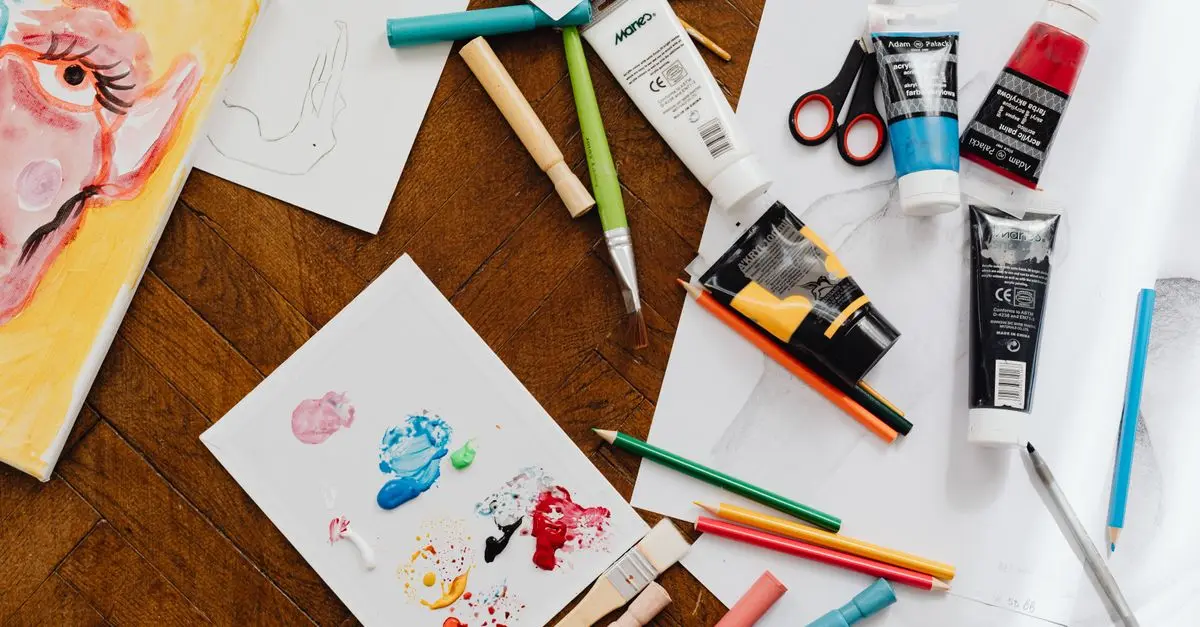
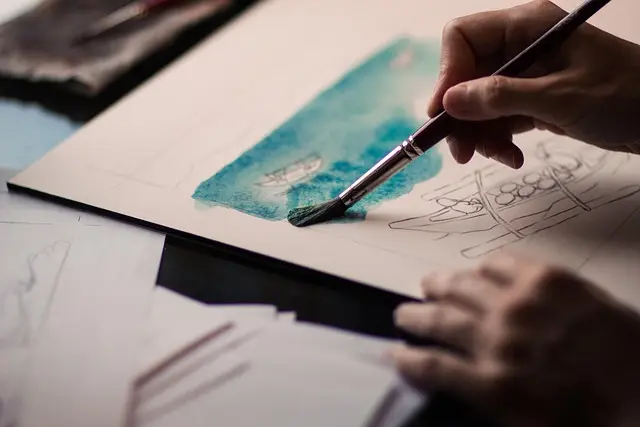
Diving into various mediums can significantly contribute to cultivating your unique style. Try painting, drawing, ceramics, digital art, or even mixed media. Engaging with different materials can reveal unexpected talents and preferences you may not have known you possessed. For instance, a beginner might find joy in watercolour painting's fluidity or the structured precision of digital design. Each medium carries its nuances and limitations, which can lead to distinctive outcomes that reflect your personality.

inProxima K1000WU, 1920X1200pixels 10000 lumens large venue projector with lens shift Unique LASER PROJECTOR
Alibaba UK
Fidget Magnetic Pen, Decompression Ballpoint Magnet Pen Birthday Gifts for Men Teen, Christmas Stocking Filler Gift For Teenage Boys Girls, Unique Coo
Amazon Sellers Programme (UK)

3. Develop a Consistent Practice
Establishing a regular art practice is vital to refining your skills and nurturing your creative instincts. Allocate specific times in your schedule for art-making, treating these sessions as unmissable appointments. Consistency acts as a conduit for improvement; the more you create, the clearer your style becomes. Additionally, consider joining local art groups or online communities, as engaging with fellow artists can inspire new ideas and provide invaluable feedback.
4. Embrace Mistakes and Learn from Them
Mistakes are often viewed negatively in the artistic process, but they can be great teachers. Rather than become discouraged by them, see each blunder as a stepping stone towards discovering something new about your style. For example, a misapplied colour might lead to a technique you hadn’t considered before. Adopting a mindset that values experimentation over perfection can unlock new avenues for creativity.
5. Seek Feedback from Peers and Mentors
Constructive feedback is crucial for any artist’s growth. Seek out critique from trusted peers, teachers, or mentors who understand the artistic landscape. They can offer insights on strengths and areas for improvement that you may overlook. Remember, feedback is not about diminishing your style but about enhancing it. Pairing this feedback with your introspections can catalyse your growth as an artist.
6. Create a Personal Brand
As you develop your style, consider how you wish to present yourself in the artistic community. A personal brand can include a logo, signature style elements, or a consistent colour palette. Strong branding allows you to create recognisable artwork that reflects your ethos. For instance, artists like Banksy and Frida Kahlo have distinctive elements in their work that define their identities. Building your brand also aids in marketing your work and reaching a broader audience.

7. Document Your Journey
Keeping a journal or digital archive of your artistic journey helps track your evolution. Include sketches, completed works, notes on your inspirations, and reflections on your experiences. Over time, re-evaluating this archive can highlight your growth and shifts in style. It also serves as a motivational tool during periods of self-doubt or creative block, reminding you of how far you have come.
8. Collaborate with Other Artists
Collaborating with other artists is an effective way to gain fresh perspectives and diversify your practice. Team projects can expose you to different styles and techniques, influencing your artistic process. For new artists, these collaborations can provide invaluable experience and networking opportunities. Consider participating in community art events, workshops, or social media challenges that encourage cooperation among artists.
Table of Comparison
| Criteria | Individual Style | Collaborative Style | Experimental Style | Resulting Style |
|---|---|---|---|---|
| Originality | High | Medium | High | Unique |
| Skill Development | Steady | Accelerated | Unpredictable | Diverse |
| Influence | Self-generated | Mutual | External | Innovative |
| Accessibility | Personal | Enhanced | Limited | Broad |
9. Participate in Art Shows
Engaging in art exhibitions or competitions can propel your growth as an artist. These events not only enhance your visibility but also challenge you to present your work professionally. The feedback received during these shows can also be instrumental in shaping your future projects, pushing you to refine your style and expand your artistic boundaries.
📺 For more insight:
Check out [How to Develop Your Unique Artistic Style] on YouTube, where experienced artists share their journeys and tips for cultivating a unique style. Search for: "how to develop unique art style 2026".
10. Stay True to Yourself
Ultimately, the most important aspect of cultivating your unique style is authenticity. Stay true to your creative instincts and don’t compromise on what you love. Art is subjective, and while trends may come and go, a personal touch always shines through. Trust in your vision and allow it to evolve naturally without succumbing to external pressures.
Checklist before starting your style journey
- [ ] Identify your influences
- [ ] Experiment with various mediums
- [ ] Establish a regular practice schedule
- [ ] Embrace and learn from mistakes
- [ ] Seek constructive feedback
- [ ] Develop your personal brand
- [ ] Document your artistic journey
- [ ] Collaborate with fellow artists
- [ ] Participate in art shows
- [ ] Stay true to your creative instincts
Glossary
| Term | Definition |
|---|---|
| Artistic Style | A distinctive characteristics of the artist’s work. |
| Medium | The materials or techniques used in the creation of art. |
| Personal Brand | The unique identity and image an artist conveys to the audience. |
Engaging with the artistic community and continually exploring your identity will help solidify your unique style. Gather your tools and begin this exciting journey today!
📺 Pour aller plus loin : how to develop unique art style 2026 sur YouTube
Recommended products
Selected by our experts

2019 New Arrivals Unique Slim Soft Protective Anti-Shock Real Wood Case for iPhone XS Max
Alibaba UK
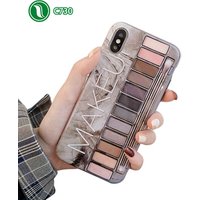
China Suppliers Newest Cosmetics Makeup Case Unique Phone Shape Private Label Eyeshadow Palette Packaging
Alibaba UK

Upgraded 2019 Touch control bluetooth 5.0 earbuds true wireless earphones ipx7 waterproof earphones with unique charging case
Alibaba UK