Contents (13 sections)
As an aspiring artist, discovering your unique artistic style is a journey filled with exploration and self-discovery. Your artistic style is a reflection of your personal experiences, expressions, and the techniques you choose to utilise. In this article, we will delve into essential tips to help you on this journey, fostering an environment for growth and creativity.
1. Explore Various Mediums
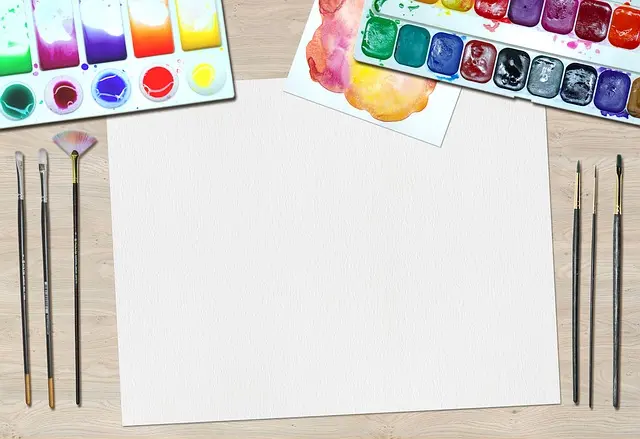
Diversifying the mediums you work with can significantly impact the development of your artistic style. Whether it’s oil paints, watercolours, digital art, or sculpture, each medium has its unique characteristics that can influence your approach. Experimenting with different materials can help you identify what resonates with you on a personal and emotional level. For example, if you find joy in the smooth blending of pastels, it might suggest a softer, more emotive approach in your artworks. By exploring various mediums, you’ll also discover the limitations and strengths in each, helping refine how you express yourself artistically.
2. Create a Mood Board
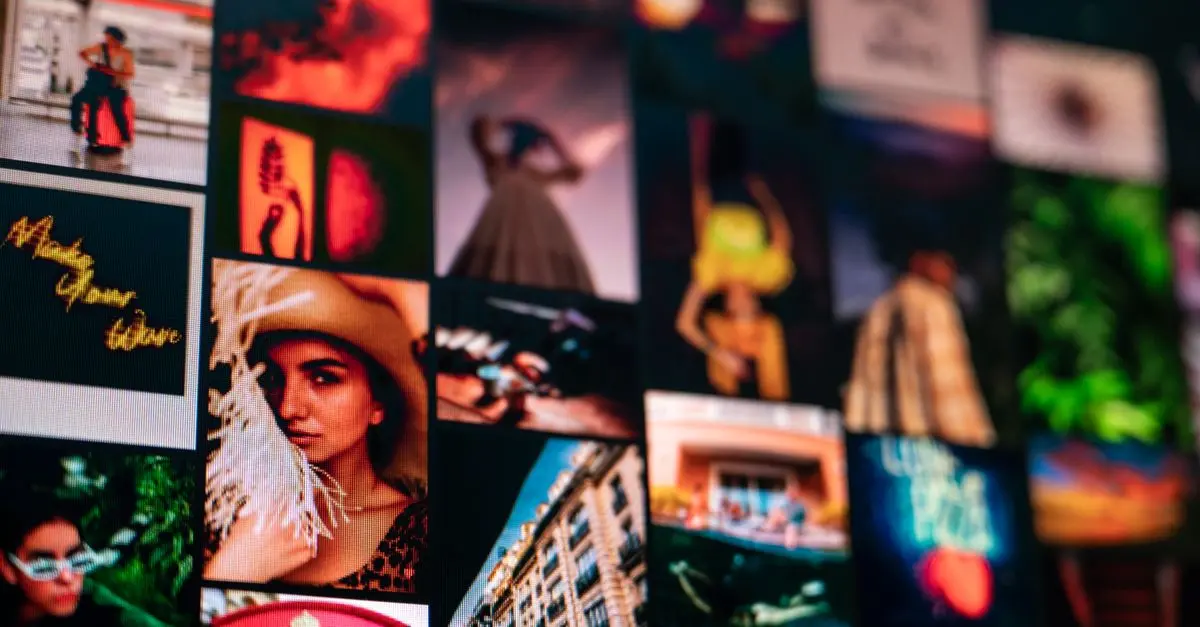
Crafting a mood board can be a highly effective method for visualising the themes and concepts that inspire you. Collect images, colours, textures, and even words that resonate with your artistic vision or current mood. This visual representation can serve as a constant source of inspiration and a reminder of the direction you wish to take your art. By periodically revisiting your mood board, you can track your growth and reaffirm your artistic preferences as they evolve. Online platforms such as Pinterest are excellent for gathering and organising your inspirations.
3. Study the Masters
To develop your artistic style, it is beneficial to study the works of established artists. Identify artists whose work inspires you and analyse their techniques, themes, and compositions. Ask yourself what elements you admire and consider ways to incorporate similar thoughts into your own creations. It’s important to note that this is not about imitation but rather understanding the foundations of their styles. This deep analysis can introduce you to elements you may want to adapt and eventually lead to your individual artistry.
4. Practice Consistently
Consistency is crucial in developing any skill, and art is no exception. Set aside dedicated time each day or week to make creating art a regular habit. This practice not only allows you to refine your techniques but helps you discover what you love most about creating. Over time, through consistent practice, your handiwork will reflect your unique perspective and artistic voice. Remember, every artist develops at their own pace, so don’t rush the process — enjoy each moment of creation.
5. Seek Feedback
Sharing your work with others and welcoming constructive criticism can provide you with fresh perspectives on your art. Engage with fellow artists, friends, or mentors who can give you honest, supportive feedback. Online artist communities and local art groups can also be valuable resources for this. Through collaborative discussion, you can uncover aspects of your style that may need refinement or bold encouragement to further embrace your individuality.
6. Embrace Mistakes
Mistakes are an inevitable part of the artistic process. Instead of viewing them as failures, consider them valuable learning opportunities. Embracing your mistakes can lead to unexpected breakthroughs that ultimately shape and define your unique style. Allowing the creative journey to be fluid and free from the fear of imperfection opens pathways to genuine artistic expression. As Pablo Picasso famously said, "Every act of creation is first an act of destruction."
7. Document Your Process
Keeping an art journal or sketchbook to document your progression can be incredibly insightful. Jot down ideas, sketches, and notes about what worked and what didn’t during each session. Reflecting on this documentation over time can reveal patterns in your creativity, informing you about your preferred styles and techniques. This practice not only aids in self-reflection but solidifies your artistic journey, helping you to better understand the evolution of your style.
8. Set Artistic Goals
Establishing clear, achievable artistic goals can provide direction and motivation in your artistic endeavour. Consider setting both short-term and long-term goals. Short-term goals might include mastering a new technique or completing a specific artwork, while long-term goals could revolve around participating in exhibitions or developing a signature series of works. Setting these benchmarks enables you to measure progress and celebrate milestones along your journey.
📺 For further exploration:
> Learn how to develop your unique artistic style, an insightful discussion on the evolution of artistic expression. Search on YouTube: "how to find your artistic style"
Glossary
| Terme | Définition |
|---|---|
| Artistic Style | The distinct characteristics that define an artist's work, influenced by personal experiences and techniques. |
| Medium | The material or technique used to create an artwork, such as oil paint, watercolour, or digital platforms. |
| Mood Board | A visual collage of images and elements that inspire and inform the creative process, helping to clarify an artist's vision. |
Checklist for Finding Your Unique Style
- [ ] Explore different art mediums
- [ ] Create a mood board
- [ ] Study the works of famous artists
- [ ] Practice consistently
- [ ] Seek feedback from peers
- [ ] Embrace mistakes in your work
- [ ] Document your artistic process
- [ ] Set clear artistic goals
🧠 Quick Quiz:
> What is the most important aspect of developing your unique artistic style?
> - A) Consistency and practice
> - B) Imitating famous artists
> - C) Sticking to one medium
> Answer: A — Consistency and practice allow you to refine your skills and discover your voice.
In conclusion, finding and developing your unique artistic style is a deeply personal journey that requires exploration, practice, and reflection. Embrace the process, allow your style to evolve, and most importantly, enjoy the creative journey.
📺 Pour aller plus loin : how to find your unique artistic style sur YouTube