Contents (13 sections)
Starting out as an artist can be daunting, but mastering certain techniques can greatly enhance your creative journey. Here, we present a comprehensive list of fundamental techniques every new artist should learn to not only improve their skills but also to express their unique artistic voice.
1. Drawing Fundamentals
Drawing is the cornerstone of many art forms. Understanding the basics of line, shape, and form is essential. Begin by practicing sketching simple shapes and gradually move towards more complex structures. Regular practice helps to develop muscle memory, which can vastly improve your drawing skills over time. Additionally, studying anatomy can aid in realistic character drawing, making your works more balanced and dynamic. For instance, life drawing classes can provide valuable insights into proportions and posture, offering hands-on experience that theory alone cannot provide.
2. Colour Theory
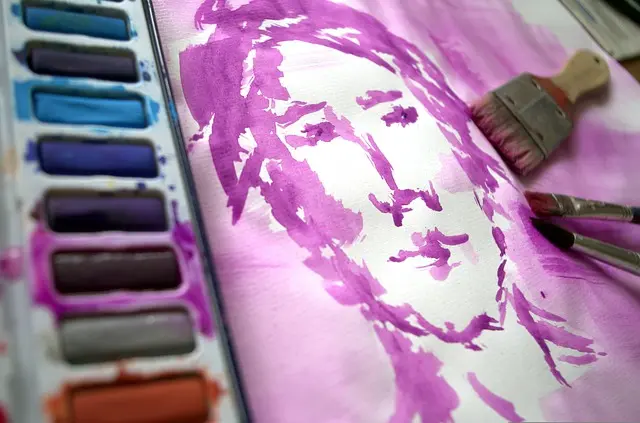
Colour theory is another vital component for any artist. Familiarising yourself with the colour wheel, complementary colours, and colour harmony will enrich your palette choices. A good grasp of how colours interact can enhance the mood and emotion of your artwork. For example, warm colours like reds and oranges can evoke feelings of passion or excitement, whereas cool colours like blues and greens can convey calmness or serenity. Spend time experimenting with different colour combinations in your work to see how they affect your pieces.
3. Composition Techniques
Composition refers to the arrangement of elements within a work of art. It is critical for creating a sense of balance and focus. The Rule of Thirds is a popular method which divides an image into nine equal parts, guiding you on where to place points of interest. A well-composed piece draws the viewer's eye across the artwork and holds their attention. Practicing composition through thumbnails and sketches can help you better understand how to create dynamic and engaging artwork.
4. Texture and Material Exploration
Texture can add depth and interest to your art. Exploring various materials—such as charcoal, pastels, or different types of paint—can help you find your preferred mediums. Understanding how to manipulate these materials to create texture can lead to more compelling works. For example, using palette knives with oil paint results in a thick, impasto texture that contrasts with the smooth application of watercolours. Experimenting with textures encourages creativity and can lead to unexpected results.
5. Perspective and Depth
Mastering perspective can dramatically improve the realism in your art. One-point and two-point perspectives are foundational techniques that can transform a flat drawing into a three-dimensional space. Start with simple geometric shapes, gradually adding details as you improve. The more you practice, the more intuitive these skills will become. Studying how artists like David Hockney use perspective can inspire innovative approaches to your own work.
6. Digital Art Skills
In today’s artistic landscape, digital skills are increasingly important. Familiarising yourself with digital tools such as Adobe Creative Suite or Procreate can open new avenues for creativity and is a significant skill for contemporary artists. Consider taking online courses or tutorials to learn the basics of digital art creation. The inclusion of digital techniques in your toolbox not only aids traditional artists but also allows for unique blends of techniques, generating personalised styles.
7. Critique and Feedback
Receiving feedback is crucial for artistic growth. Joining artist communities, either in person or online, can provide a supportive environment where you can share your work and receive constructive criticism. Look for local art groups or online forums that align with your style and interests. Remember, artistic development is an ongoing process, and learning from others' insights is invaluable. You may want to engage in peer critique sessions to gather feedback on your progress.
8. Developing Your Unique Style
While mastering techniques is essential, developing your personal style is equally important. Experiment with various techniques until you find what resonates with you. Your individual experiences, interests, and perspectives will naturally influence your artistic voice. Keep a sketchbook for spontaneous ideas, styles, or techniques you encounter. Over time, these experiments will culminate in a cohesive style unique to you.
9. Regular Practice and Persistence
Artistry is a journey of continuous improvement and persistence. Set aside time daily or weekly to practice. This discipline not only reinforces the techniques you learn but also boosts your confidence and creativity. Embrace the idea that not every piece will be a masterpiece; instead, view them as stepping stones in your artistic evolution.
10. Study Art History
Exploring art history can provide context and inspiration for your own work. Understanding various movements, such as Impressionism or Surrealism, can help you understand different approaches to creativity. Analyse the techniques used by masters like Vincent van Gogh or Pablo Picasso to gain insights into their unique artistic perspectives. Watching documentaries or reading art history books can deepen your appreciation and understanding of the art world.
Checklist for New Artists
- [ ] Practice drawing fundamentals regularly.
- [ ] Experiment with different colour theories and palettes.
- [ ] Apply composition techniques to all works.
- [ ] Explore various textures and materials.
- [ ] Master perspective in your drawings.
- [ ] Learn digital art skills and tools.
- [ ] Seek critique and give feedback to peers.
- [ ] Develop a unique artistic style through experimentation.
- [ ] Establish a regular practice routine.
- [ ] Learn about art history and influential artists.
Glossary
| Terme | Définition |
|---|---|
| Composition | L'art d'organiser des éléments visuels dans une œuvre pour créer un équilibre et un impact visuel. |
| Perspective | Technique utilisée pour représenter des objets en trois dimensions sur une surface bidimensionnelle. |
| Texture | La qualité de la surface d'une œuvre, qui peut être lisse, rugueuse, ou mélangée. |
> 📺 Pour aller plus loin : Discover the basics of perspective in art, a detailed analysis of perspective techniques. Search on YouTube: "learning art perspective techniques 2026".
📺 Pour aller plus loin : learning art perspective techniques 2026 sur YouTube
Recommended products
Selected by our experts