Contents (17 sections)
Developing artistic skills is a lifelong journey filled with exploration, experimentation, and expression. Whether you're just starting or looking to enhance your practice, understanding the core techniques can significantly impact your artistic development. This guide covers essential steps to help you refine your skills effectively.
Information on Artistic Skills
Artistic skills refer to the abilities and techniques used to create visual art. They encompass a range of disciplines, including drawing, painting, sculpture, and digital art. Mastery in these skills often requires a solid foundation in fundamental principles such as composition, colour theory, and proportion.
The importance of these skills cannot be overstated, as they serve as the building blocks of artistic expression. According to a study conducted by the National Endowment for the Arts, individuals who engage in artistic activities experience not only improved creativity but also enhanced problem-solving abilities and increased emotional well-being. Artistic expression fosters a deeper connection to the world around us, promoting both personal insight and cultural understanding.
1. Mastering the Basics
The first step to developing your artistic skills is mastering the basics. This includes understanding fundamental concepts such as line, shape, texture, and form. Begin by practising simple sketches and gradually increase the complexity of your work.
Tips for Mastery:
- Daily Practice: Aim for consistency in your practice. Daily sketching can significantly improve your muscle memory and observational skills.
- Study the Masters: Analysing works from renowned artists can provide insight into different styles and techniques. Try to replicate their work to grasp their methods.
- Feedback: Seek constructive criticism from peers or mentors to gain fresh perspectives on your progress.
Mistakes to Avoid: Skipping foundational skills can hinder your overall development as an artist.


2. Experimenting with Different Mediums
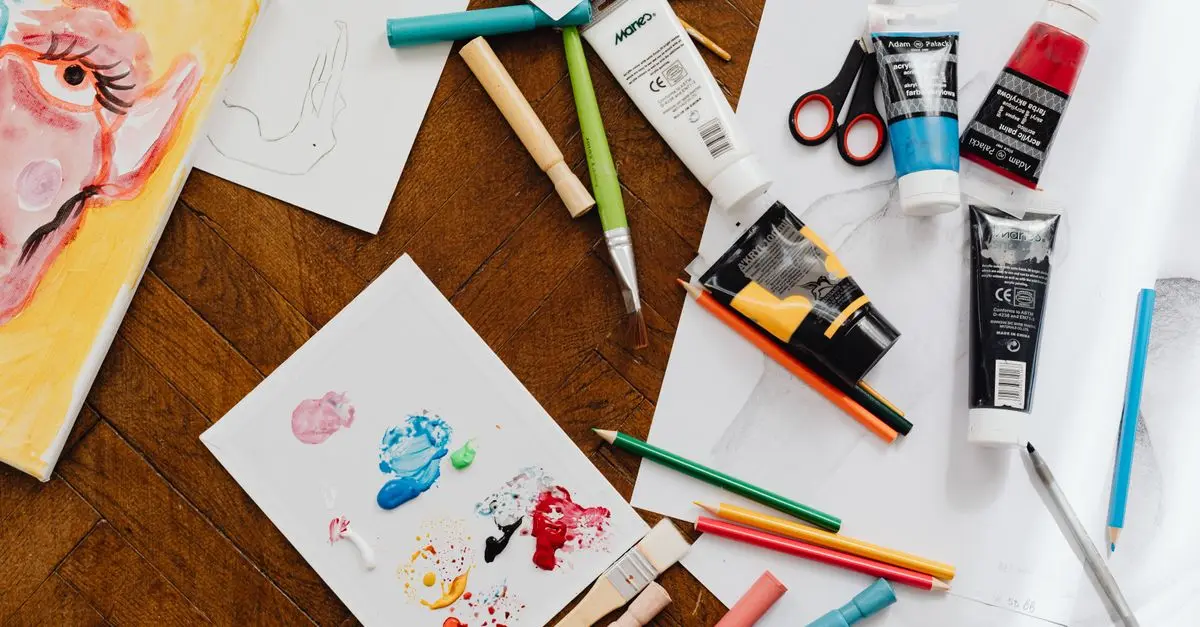
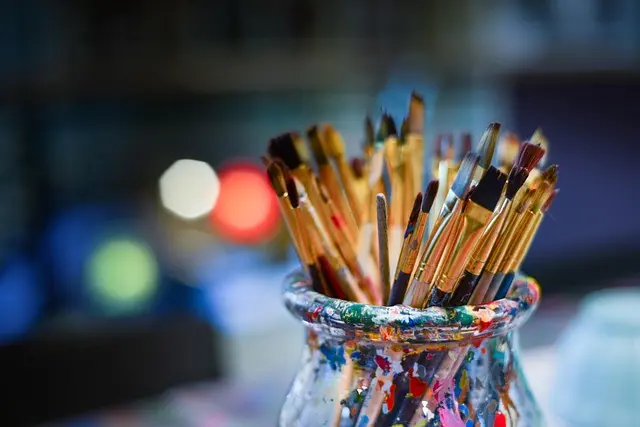
As you progress, dabble in various artistic mediums to discover what resonates with you. Each medium – graphite, charcoal, watercolour, oil paint, or digital tools – has unique properties and requires different techniques.
Benefits of Experimentation:
- Finding Your Voice: Trying different mediums allows you to develop a distinctive style that reflects your personality.
- Skill Enhancement: Each medium challenges you differently, improving your adaptability and technical skills.
- Inspiration: New experiences can ignite inspiration, leading to innovative ideas in your work.
Common Pitfall: Many artists may become attached to a single medium. Embrace diversity to broaden your capabilities.
3. Developing Observation Skills
A crucial component in developing artistic skills is enhancing your observation skills. This involves careful study of your subjects, whether they are live models, landscapes, or still lifes.
How to Enhance Observation Skills:
- Life Drawing Classes: Participating in life drawing classes encourages you to capture the human form accurately, honing both your speed and accuracy.
- Nature Studies: Spend time outdoors sketching from nature; this practice enhances your understanding of light, shadow, and perspective.
- Use a Sketchbook: Maintain a sketchbook for daily observations. Frequent note-taking can improve your visual memory and awareness.
Watch Out For: Relying solely on reference images without personal observation can limit your ability to create authentic work.
4. Establishing a Unique Style
Once you've built a solid foundation and experimented with various techniques, it’s important to begin developing your unique artistic style. This personal style will set your work apart and resonate with your audience.
Steps to Develop Your Style:
- Identify Themes: Explore themes that speak to you personally, whether they relate to emotions, nature, or abstract concepts.
- Combine Techniques: Blend techniques and elements you've learned from different artists. This fusion can lead to a fresh, original perspective.
- Stay Consistent: Maintaining consistency in your subject matter and technique can help to solidify your artistic identity.
Be Mindful: Avoid the trap of imitation. While learning from others is crucial, authenticity is key to sustaining a successful artistic practice.
5. Continuous Learning and Adaptation
The journey of an artist is one of continuous learning. Staying open to feedback, new techniques, and evolving trends is essential for long-term growth.
Ways to Keep Learning:
- Attend Workshops: Engaging in workshops led by experienced artists opens avenues for learning and networking.
- Online Resources: Utilize online platforms for tutorials and courses that can deepen your understanding of specific techniques.
- Regular Critique Sessions: Establish a network for regular critique sessions where you can discuss works-in-progress with other artists.
Warning: Complacency can be the enemy of progress; consistently seek ways to challenge yourself to grow.


Checklist before you start to develop your artistic skills:
- [ ] Set specific artistic goals.
- [ ] Dedicate time for daily practice.
- [ ] Experiment with at least three new mediums.
- [ ] Join an art community for feedback.
- [ ] Attend workshops and classes.
Resources for Artistic Skills
To support your journey in refining your artistic skills, we recommend exploring the various products we've curated to enhance your creative practice.
Glossary
| Term | Definition |
|---|---|
| Observation | The act of closely examining subjects to accurately capture their features in art. |
| Medium | The materials or techniques used by an artist to create a work of art. |
| Style | The distinctive characteristics and elements that define an artist's work. |
📺 Resource Video
📺 For further exploration: Understanding Different Artistic Mediums, an in-depth analysis of various artistic mediums and their uses. Search on YouTube: "artistic mediums explained".
Quiz rapide
> 🧠 Quiz rapide: What is the most crucial skill to develop as an artist?
> - A) Technique
> - B) Observation
> - C) Style
> Réponse : B — Observation skills lay the foundation for all other artistic techniques.
📺 Pour aller plus loin : artistic mediums explained sur YouTube
Recommended products
Selected by our experts