Contents (16 sections)
Navigating your first art exhibition can be both thrilling and intimidating. For new artists, this is a significant milestone that marks your introduction to the art world. It’s crucial to approach this event with preparation and strategy. In this guide, we present essential art exhibition tips to help you stand out, connect with your audience, and make your exhibit a success.
1. Understanding Your Exhibition Goals
Setting clear goals for your exhibition is the first step to ensuring it aligns with your artistic vision and professional aspirations. Ask yourself:
- What do I hope to achieve? (e.g., sales, exposure, networking)
- Who is my target audience? Understanding your audience will help you tailor your presentation and marketing strategies.
- How many pieces will I display? A focused selection allows for a more coherent narrative and helps to prevent overwhelm.
Example Goals
Consider setting specific, measurable goals. For instance, if your goal is to connect with other artists, aim to collect contact information from at least 10 guests who visit your exhibit. This strategic approach transforms your exhibition into an opportunity for growth.
2. Preparing Your Artwork
Once you have established your goals, the next step is to prepare your artwork meticulously.
- Technique: Ensure your pieces are completed to a professional level. This includes finishing touches and perhaps even framing.
- Consistency: Your works should share a common theme or aesthetic that reflects your style as an artist. This will resonate well with your audience.
- Presentation: How your work is displayed plays a critical role in perception. Poorly presented art can detract from its value, so consider elements such as lighting and spacing in your setup.
Pro Tips
- Set aside enough time for crafting and preparing your pieces. Aim to have everything ready at least a week in advance.
- Test your works in similar lighting conditions to those expected at the exhibition for optimal impact.

BNT 300 Inch Outdoor / Large Exhibition Hall Front and Rear Projector Fast Fold Projection Screen
Alibaba UK

National Gallery Wright of Derby: From the Shadows Exhibition Catalogue
nationalgallery.co.uk

3. Creating a Compelling Narrative
In contemporary exhibitions, storytelling is a powerful tool. Your art should not only captivate visually but also convey a deeper narrative or emotion.
- Artist Statement: This brief overview should articulate your inspirations and intentions, helping visitors connect with your work on a personal level.
- Labels: Place concise but informative labels next to each piece, including the title, medium, and a few thoughts on its significance.
Example
Imagine an installation based on climate change. Your narrative could outline the inspiration behind the pieces, showing how art can highlight pressing global issues. This deeper context creates an emotional bridge with your audience, inviting them to engage thoughtfully.
4. Marketing Your Exhibition
Effective marketing can significantly impact the success of your exhibition. Here are key strategies:
- Social Media: Create a buzz by using platforms like Instagram and Facebook. Share teasers of your work, behind-the-scenes preparations, and personal insights into your artistic process.
- Event Listings: Utilise local arts websites and community boards. Many galleries offer free listings that can enhance visibility.
- Networking: Join local artist groups or forums to spread the word about your exhibition. Word-of-mouth is powerful in the art community.
Common Mistakes to Avoid
- Bypassing the personal touch in your marketing can lead to lower engagement. Engage directly with your audience by sharing personal anecdotes related to your work.
- Relying solely on one marketing channel is unwise. Diversify your promotional efforts across various platforms for maximum reach.
5. Engaging Your Audience During the Exhibition
On the day of the exhibition, actively engaging with visitors is vital.
- Welcoming Approach: Greet your guests as they arrive. A friendly disposition can break the ice, inviting them to explore your pieces further.
- Guided Tours: Offer informal tours around your display, explaining the narratives behind your works and inviting questions.
Pro Tip
- Consider hosting a special live demonstration or talk during the exhibition. This can draw in a crowd and spark lively discussions about your art, further enhancing engagement.
6. Gathering Feedback and Building Connections
After the exhibition, it’s essential to reflect on the experience and gather valuable insights.
- Feedback Forms: Create a simple form for visitors to share their thoughts. This not only provides you with constructive criticism but also keeps the lines of communication open.
- Networking Follow-Up: Make it a point to follow up with anyone who expresses interest in your work. A simple thank you note can lead to future opportunities.
Statistics
Research shows that 78% of attendees recall their interactions with artists and often engage with them post-exhibition. Building these relationships can mean more than just sales; it can create a supportive artistic community around you.
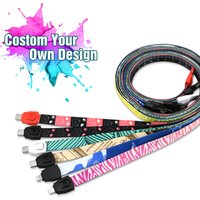
2019 Free shipping Exhibition Gift Mobile Phone Cable Type c Micro charging Lanyard USB data cable
Alibaba UK

Checklist Before The Exhibition
- [ ] Finalise goals and objectives for the exhibition.
- [ ] Prepare all artworks, ensuring they are professionally presented.
- [ ] Craft an engaging artist statement and presentation labels.
- [ ] Develop a marketing plan that incorporates social media and community outreach.
- [ ] Prepare to engage with your audience actively on the day of the exhibition.
Glossary
| Terme | Définition |
|---|---|
| Art Exhibition | A public display of artworks, mainly held in galleries or public spaces. |
| Artist Statement | A brief written description reflecting the artist’s intentions and inspirations for their work. |
| Networking | Building and maintaining professional relationships to create opportunities in the art sector. |
📺 Ressource Vidéo
> 📺 Pour aller plus loin : Comment préparer une exposition d'art réussie, une analyse complète de la manière d'organiser votre première exposition. Recherchez sur YouTube : art exhibition preparation tips 2026.
🧠 Quiz rapide : Quel est l'élément le plus crucial pour réussir une exposition d'art?
- A) La décoration de l'espace
- B) L'engagement avec les visiteurs
- C) Le nombre de pièces exhibées
Réponse : B) L'engagement avec les visiteurs — Interagir activement aide à établir des connexions mémorables.
📺 Pour aller plus loin : art exhibition preparation tips 2026 sur YouTube
Recommended products
Selected by our experts

E-bossvape E-cigarette Drip Tip 510 Thread RBA Atomizer Accessories For DIY 510 Drip Tips Cartomizer Nozzle
Alibaba UK

LMS size noise cancellation ear plugs custom earphone in-ear ear tips memory foam & silicone earbuds
Alibaba UK