Contents (21 sections)
Introduction
Launching your art career can be an exhilarating yet daunting journey. In 2026, the art landscape continues to evolve with digital integration, online galleries, and social media playing pivotal roles in artists' success. This guide aims to assist aspiring artists in navigating this landscape effectively. You will learn essential steps to launch your art career, build your reputation, and connect with your target audience.
Step 1: Define Your Artistic Vision
Before you embark on your journey as an artist, it is crucial to define what you stand for. Your artistic vision will serve as the foundation for your work and your brand. Start by reflecting on the following questions: What themes resonate with you? What mediums do you prefer? Taking time to explore these questions can provide clarity about your direction.
Example: Many successful artists have distinct styles—think of Banksy’s street art or Tracey Emin’s installations. Their unique visions contribute significantly to their recognisable brands. According to a study by ArtNet, artists with a well-defined vision tend to attract more followers and buyers.
Tips for Defining Your Vision
- Research: Look at artists who inspire you. What common threads can you identify?
- Experiment: Try different styles and mediums to see what resonates best.
- Feedback: Share your work with trusted friends or mentors for insight.
Step 2: Build a Portfolio
A strong portfolio is essential to showcase your work effectively. Aim to curate a collection that demonstrates your skills, theme, and the trajectory of your artistic journey. Do not overload your portfolio; instead, select pieces that reflect your best work.
Examples of Strong Portfolios
- Freelancer portfolios often highlight a mix of projects including commissions and personal work.
- Gallery submissions typically focus on cohesive bodies of work that adhere to the gallery's theme or style, showcasing at least 10-15 pieces.
Building Tips
- Use high-quality images that accurately represent your work.
- Include a short description for each piece that explains your inspiration and technique.
- Consider creating a website to host your portfolio, making it easy for art enthusiasts and potential buyers to explore your work.
Step 3: Establish Your Presence Online
In today's digital-first world, having a robust online presence is essential for launching your art career. Social media platforms like Instagram and Pinterest are particularly powerful for visual artists.
Steps to Use Online Platforms Effectively
- Create Engaging Content: Share regular updates about your work process and completed pieces.
- Engage with Followers: Respond to comments and messages. This builds community and loyalty.
- Utilise Hashtags: Research relevant hashtags to help your posts reach a larger audience.
Example Strategies
- Establish a dedicated Instagram account for your art.
- Join artist groups on Facebook or Discord to network and showcase your work.
Step 4: Network and Collaborate
Building connections in the art world is vital. Networking can lead to collaborations, exhibitions, and even sales. Attend art fairs, workshops, and community events to meet fellow artists and collectors.
Tips for Effective Networking
- Be Genuine: Approach others with authenticity. Rather than simply seeking what they can provide, show interest in their work as well.
- Follow Up: After meeting someone, send a message to express appreciation for your conversation. This can create a lasting impression.
- Attend Local Workshops: These can be great opportunities to meet like-minded individuals and learn new techniques.
Step 5: Explore Opportunities for Exposure
Getting your work seen is key to launching your career. Focus on both traditional and digital avenues such as galleries, online platforms, and local exhibitions.
Ways to Gain Exposure
- Submit to Online Art Exhibitions: Platforms like Saatchi Art or Artfinder provide opportunities to showcase your work.
- Local Galleries: Look for calls for artists in your area. Many galleries actively seek new talent for exhibitions.
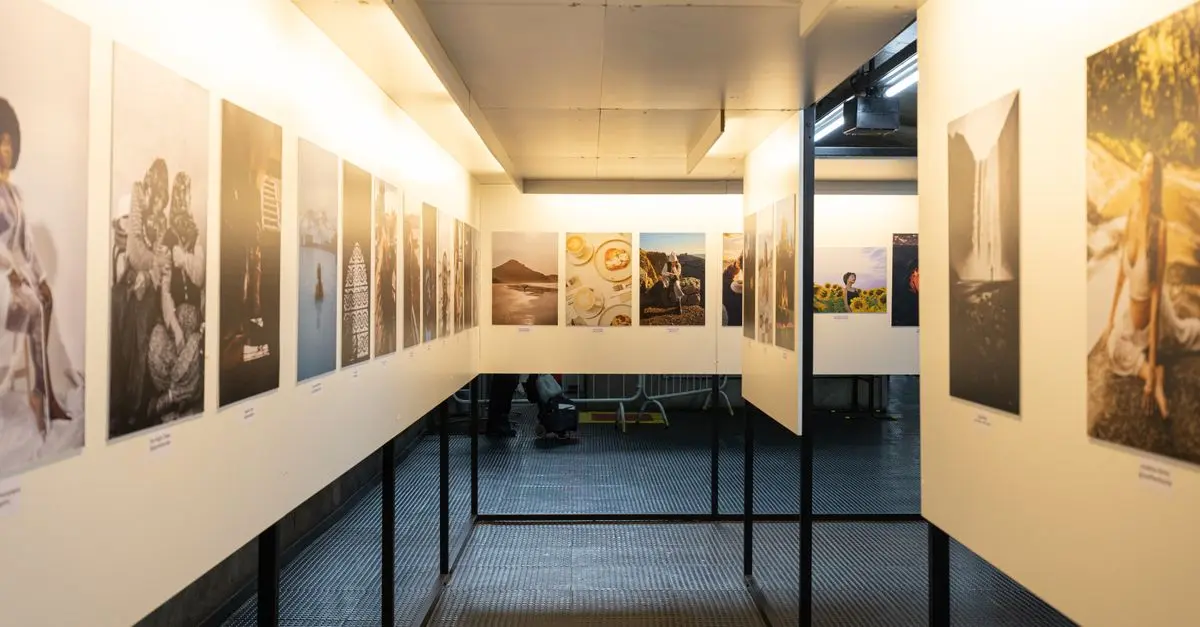
- Host Your Own Events: Consider setting up a pop-up gallery or participating in local art walks to showcase your work directly to the public.
Checklist Before Launching
- [ ] Define your artistic vision clearly.
- [ ] Curate a strong portfolio that reflects your style.
- [ ] Create engaging online profiles on relevant platforms.
- [ ] Build a network of fellow artists and collectors actively.
- [ ] Research opportunities to gain exposure locally and online.
Glossary
| Terme | Définition |
|---|---|
| Artistic Vision | Your unique perspective and themes in art that define your work. |
| Portfolio | A curated collection of an artist's best work, showcasing their skills and style. |
| Networking | Building relationships and connections within the art community for support and opportunities. |
FAQs
What is the best way to start my art career?
Identify your artistic vision and build a solid portfolio. These are the crucial first steps.
How important is social media for artists?
Social media platforms are vital for exposure and connection with a wider audience.
Should I join an art collective or group?
Joining an art group can provide invaluable networking opportunities and support.
How often should I update my portfolio?
Regularly update your portfolio with new work to reflect your evolving style and skills.
📺 For more insights: Check out videos on launching an art career on YouTube — search for 'how to start an art career 2026'.
📺 Pour aller plus loin : how to start an art career 2026 sur YouTube